

Have you ever wondered if dog poop can help your fruit trees thrive? If you’re a pet owner and a gardener, you might find yourself asking this question more often than you think. It’s a common dilemma: you want to keep your yard clean while also giving your plants the nutrients they need.
In this article, you’ll discover the potential benefits and risks of using dog waste as fertilizer. We’ll explore how it compares to other organic options and what you need to know to make an informed decision. By the end, you’ll have a clearer understanding of whether this unconventional fertilizer could be a game-changer for your garden.
Key Takeaways
- Dog poop contains essential nutrients such as nitrogen, phosphorus, and potassium, which can support fruit tree growth.
- The use of dog waste as fertilizer has both benefits, like being cost-effective, and drawbacks, such as potential pathogens and odor issues.
- Understanding the specific nutrient requirements of fruit trees is crucial for effective fertilization, including nitrogen for leafy growth, phosphorus for root development, and potassium for fruit quality.
- Comparing dog poop to other organic fertilizers, dog waste may lack a balanced nutrient profile, with options like cow manure and compost often providing superior results.
- Proper application techniques, including thorough composting and dilution, are essential for safely integrating dog waste into gardening practices.
- Always test your soil and follow local regulations regarding pet waste use in gardens to ensure safety and maximize benefits for your plants.
Understanding Dog Poop as Fertilizer
Dog poop contains nutrients that can influence plant growth, making it a topic worth exploring for gardeners. Understanding its composition helps determine its viability as a fertilizer for fruit trees.
Nutritional Content of Dog Poop
Dog poop primarily consists of nitrogen, phosphorus, and potassium, the key macronutrients essential for plant health. These nutrients contribute to root development and overall plant vigor.
- Nitrogen: Supports leaf growth and green color.
- Phosphorus: Encourages strong root development and flowering.
- Potassium: Aids in overall plant function, including water regulation.
While these nutrients are beneficial, the exact amounts can vary based on the dog’s diet. A high-quality diet often leads to nutrient-rich waste.
Benefits and Drawbacks
Using dog poop as fertilizer presents both benefits and drawbacks. It’s crucial to weigh these factors before applying it to your garden.
Benefits:
- Cost-Effective: Utilizes a readily available resource.
- Nutrients: Supplies essential elements for plant growth.
- Pathogens: Dog waste can harbor harmful bacteria and parasites, posing risks to plants and humans.
- Imbalance: High nitrogen levels may cause nutrient imbalances in soil if over-applied.
- Odor: Can create unpleasant smells in the garden if not managed properly.
When considering dog poop as fertilizer, always evaluate its safety and effectiveness in your specific gardening context.
Fruit Trees and Fertilization Needs
Fruit trees require specific nutrients to thrive. Understanding their needs helps you provide the best care for them. Here’s what you need to know.
Recommended Products

Produce abundant and vibrant fruit and blooms! This product works by strengthening your plant's roots to increase nutrient uptake… enabling it to bloom and produce like you've never seen!

Produce abundant and vibrant fruit and blooms! This product works by strengthening your plant's roots to increase nutrient uptake… enabling it to bloom and produce like you've never seen!

Package contains 4 Pounds organic fruit and citrus fertilizer grains and is produced to avoid wasteful runoff, mess, hazards and smells
Key Nutrients for Fruit Trees
- Nitrogen: Essential for leafy growth. It promotes healthy foliage, allowing fruit trees to produce more energy through photosynthesis. Use nitrogen sources like compost or well-rotted manure.
- Phosphorus: Supports root development and flower production. Healthy roots facilitate water and nutrient uptake. Consider using rock phosphate or bone meal to enrich the soil.
- Potassium: Enhances fruit quality and resistance to diseases. It aids in proper ripening and helps trees withstand environmental stresses. Apply wood ash or greensand for a potassium boost.
- Calcium: Contributes to cell wall strength and fruit quality. It prevents blossom end rot in tomatoes and peppers, common concerns for fruiting plants. Lime is a reliable calcium source.
- Magnesium: Vital for photosynthesis and overall plant health. Deficiencies can lead to yellowing leaves. Epsom salt provides an easy magnesium supplement.
- Test the Soil: Start by testing your soil. This identifies nutrient levels and pH balance. Adjust your fertilization strategy based on these results.
- Choose Organic Options: Opt for organic fertilizers like compost, aged manure, or plant-based options. These improve soil structure and provide long-term benefits to fruit trees.
- Apply During Growing Season: Fertilize fruit trees during their active growth phase—generally in spring and early summer. Monitor trees closely and adjust fertilization based on their growth patterns.
- Follow Recommended Rates: Be sure to follow the recommended application rates for fertilizers. Over-fertilization can harm trees and lead to nutrient imbalances, which negatively impact fruit production.
- Mulch: Use organic mulch around the base of your trees. It helps retain moisture, suppress weeds, and gradually enrich the soil as it decomposes.
By understanding the specific needs of fruit trees and applying best practices, you can optimize their growth and nutrient intake effectively.
Evaluating Dog Poop as a Fertilizer Option
Using dog poop as fertilizer invites scrutiny from various angles. Knowing its composition and how it compares to other organic options can guide your decision.
Recommended Products

Breaks waste down fast, reduces unpleasant and unhealthy odors

Advanced Digester Formula - Designed for in-ground pet waste disposal systems, this treatment contains an active breakdown formula that helps process solid dog waste inside the unit, supporting consistent septic-style performance and easier yard maintenance.

Made for Managed Households - Ideal for homes with up to 1 large dog or 2 small dogs, this backyard dog waste system provides a structured outdoor disposal method. It helps reduce reliance on trash bins while keeping pet cleanup contained in one dedicated yard location.
Comparing Dog Poop to Other Organic Fertilizers
Dog poop contains nitrogen, phosphorus, and potassium. However, other organic fertilizers, like cow manure and compost, often provide a more balanced nutrient profile. Cow manure averages about 1-0.5-1, which promotes healthy plant growth over time. In contrast, dog poop’s nutrient ratio can vary significantly due to a dog’s diet.
Using compost improves soil structure and microbial life. It’s safer and less likely to introduce pathogens into your garden. You might find that incorporating a variety of organic fertilizers yields the best results for fruit trees, leveraging the strengths of each option.
Safety Concerns and Regulations
Dog poop poses specific health risks. Pathogens found in it can harm both plants and humans. To mitigate this risk, you can compost dog waste properly, which involves maintaining high temperatures to kill harmful bacteria. Following local regulations also matters; some areas have strict guidelines about using pet waste in gardens.
Make sure to check your local ordinances regarding pet waste disposal. When in doubt, opting for well-established organic fertilizers provides peace of mind regarding safety and effectiveness.
Practical Applications
Using dog poop as fertilizer can be a practical option if done correctly. Proper application ensures fruit trees benefit from nutrients while minimizing risks.
Recommended Products
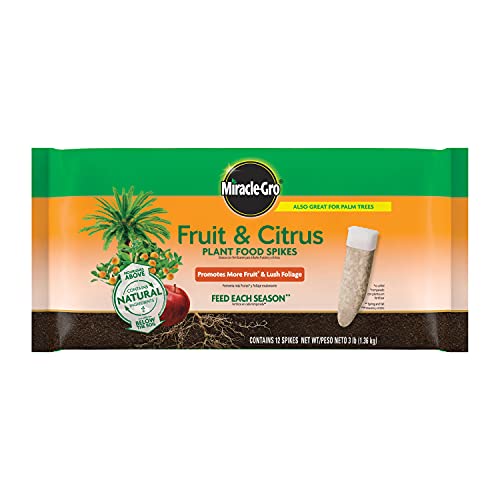
FORMULATED FOR CITRUS AND FRUIT TREES: Use these citrus fertilizer spikes on apple, orange, lemon, lime, and avocado trees; this formula is also great for feeding palm trees

Balanced Organic Nutrition – Supplies a 6‑3‑3 NPK ratio along with calcium, sulfur, iron, and zinc to foster healthy foliage, flowering, and fruit.

Down to Earth Fruit Tree is a five pound box of all natural fertilizer with 6-2-4 formula and is listed by the Organic Materials Review Institute (OMRI) for use in organic production
How to Properly Use Dog Poop in Your Garden
- Compost Thoroughly: Compost dog poop for at least six months. This process kills harmful pathogens while retaining nutrients.
- Test Soil First: Conduct a soil test before application. Determine the nutrient levels, pH, and any deficiencies in your garden.
- Dilute as Needed: Mix composted dog poop with other organic materials. This helps create a balanced fertilizer.
- Apply Sparingly: Apply about one cup of the composted mixture per tree. Spread it around the root zone, avoiding direct contact with the trunk.
- Water Well: Water the area after application. This encourages nutrient absorption while helping to eliminate any remaining odor.
Following these steps ensures you maximize benefits while minimizing risks to your fruit trees.
- Cow Manure: Well-aged cow manure offers a balanced nutrient profile. It’s readily available and contains beneficial microorganisms.
- Compost: Kitchen scraps and yard waste create nutrient-rich compost. Mix these ingredients to foster a healthy growing environment.
- Chicken Manure: High in nitrogen, chicken manure enhances fruit tree growth. Use it sparingly to prevent nutrient burns.
- Organic Fertilizers: Brands like fish emulsion or seaweed extract provide vital nutrients. These are often easier and safer options for gardening.
- Mulch: Applying organic mulch, such as wood chips or straw, supports soil health and retains moisture while slowly adding nutrients to the soil.
Each of these alternatives can effectively nourish your fruit trees while mitigating concerns linked to using dog waste.
Conclusion
Using dog poop as fertilizer for fruit trees can be a mixed bag. While it offers some essential nutrients that your plants need, there are significant risks to consider. Pathogens and nutrient imbalances can affect the health of your trees and even your family.
If you’re leaning towards using dog waste, make sure to follow proper composting methods and application techniques. But don’t forget about the many other organic options available that can provide a safer and more balanced nutrient profile.
Ultimately your goal is to create a thriving garden. So weigh your options carefully and choose what works best for you and your fruit trees. Happy gardening!
Frequently Asked Questions
Can dog poop be used as fertilizer for fruit trees?
Yes, dog poop can provide essential nutrients like nitrogen, phosphorus, and potassium for fruit trees. However, it’s crucial to use it properly to avoid health risks.
What nutrients does dog poop contain?
Dog poop primarily contains nitrogen, phosphorus, and potassium, which are vital for plant growth and health. The exact nutrient levels depend on the dog’s diet.
What are the risks of using dog poop as fertilizer?
Using dog poop can introduce pathogens, nutrients imbalances, and unpleasant odors into the soil. Proper composting and application techniques are essential to mitigate these risks.
How does dog poop compare to other organic fertilizers?
While dog poop is a cost-effective option, it generally provides a less balanced nutrient profile compared to alternatives like cow manure and compost, which are often safer and more effective.
What should I do before applying dog poop to my garden?
Before using dog poop, conduct a soil test to determine nutrient needs, compost the waste for at least six months, and ensure proper application to avoid risks.
Are there safer alternative fertilizers for fruit trees?
Yes, safer alternatives include well-aged cow manure, nutrient-rich compost, chicken manure, and organic commercial fertilizers, which can nourish fruit trees effectively.
How should dog poop be applied to fruit trees?
Dog poop should be composted thoroughly, diluted with other organic materials, applied sparingly, and followed by thorough watering to minimize health risks and maximize benefits.
