

Ever wondered why your cherry tree isn’t producing any fruit? You’re not alone. Many gardeners face this frustrating issue, especially after putting in the time and effort to nurture their trees. It can be disheartening to see beautiful blossoms but no cherries to enjoy.
In this article, we’ll explore the common reasons your cherry tree might be falling short on fruit production. From pollination problems to environmental factors, you’ll find practical tips to help your tree thrive. By the end, you’ll have the knowledge to encourage a bountiful harvest and enjoy the sweet rewards of your hard work.
Key Takeaways
- Cherry trees often require cross-pollination; plant compatible varieties nearby to boost fruit production.
- Environmental factors, such as temperature extremes, soil quality, consistent watering, and adequate sunlight, significantly impact cherry tree fruiting.
- Proper pruning techniques improve air circulation and increase the likelihood of fruit production; prune trees in late winter or early spring.
- Soil health is crucial; ensure well-draining, nutrient-rich soil with a pH between 6.0 and 7.0, and consider soil amendments for improved fertility.
- Monitor your cherry tree’s age, as young trees may take several years to bear fruit, while older trees might require rejuvenation practices to maintain productivity.
- Quick diagnosis and addressing of issues like poor pollination, water stress, and pest problems are essential for restoring your cherry tree’s fruiting capability.
Common Reasons Why Cherry Trees Don’t Fruit
Cherry trees may not produce fruit due to several common factors. Understanding these issues can help you identify solutions and improve your chances of a bountiful harvest.
Recommended Products
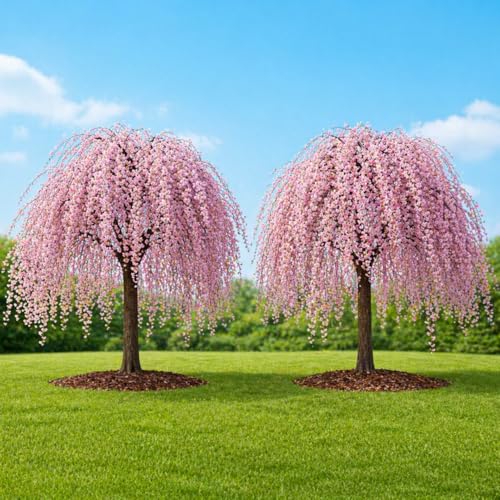
WHAT YOU WILL RECEIVE: 2 Cherry blossom tree live plant approximately 6 - 12 inches tall, prepared for transplanting into garden soil or outdoor containers
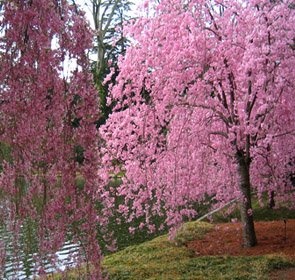
Do not transplant into another container, only the ground. These are ready to plant and should be put in the ground according to the included instructions upon arrival. All pictures are of fully grown plants. Sizes shipped are in the title and description. Deciduous plants do not have leaves in the winter.
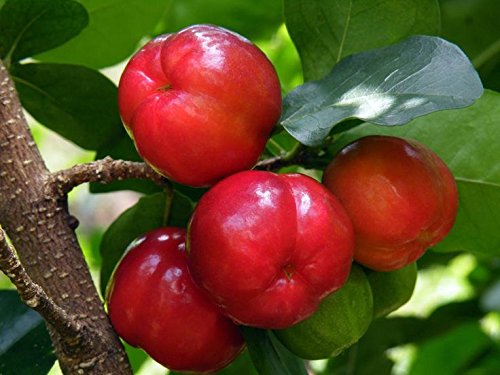
The price includes Four "Barbados Cherry Trees". These are 2 inch rooted starter plants shipped in 2 inch tray pots and are 2-6 inches tall.
Pollination Issues
Cherry trees often require cross-pollination for fruit production. Many varieties, especially sweet cherries, aren’t self-pollinating. They need pollen from another tree of a compatible variety to form fruit. Consider planting at least two different cherry tree varieties nearby to enhance pollination. Also, check for the presence of pollinators like bees. A healthy population of bees boosts pollination success.
Environmental Factors
Environmental conditions significantly impact cherry tree fruiting. Here are key factors to consider:
- Temperature Extremes: Cherry trees thrive in climates with cold winters and warm summers. Extreme cold during blooming can damage flowers, while excessive heat can cause trees to drop immature fruit.
- Soil Quality: Well-draining, nutrient-rich soil supports healthy trees. Compact or poor-quality soil can impede growth and reduce fruit yield. Test your soil pH, aiming for a range between 6.0 and 7.0.
- Watering Practices: Inconsistent watering affects tree health. Cherry trees require about an inch of water per week during the growing season. Ensure proper drainage to prevent root rot while maintaining adequate moisture.
- Sunlight Exposure: Cherry trees thrive in full sun, needing at least six hours of direct sunlight daily. Lack of sunlight can hinder flowering and fruiting processes.
Addressing these pollination and environmental factors will enhance your cherry tree’s chances of producing fruit.
Cherry Tree Care Practices
Caring for your cherry tree properly boosts the chances of fruit production. Focus on both pruning techniques and soil quality to ensure healthy growth.
Proper Pruning Techniques
Pruning affects fruiting directly. Thin out crowded branches to improve air circulation and sunlight exposure. Remove any dead or diseased wood right away. Focus on shaping your tree to encourage lateral growth, where most flowers and fruits develop.
- Prune in late winter or early spring.
- Cut back about one-third of last year’s growth for optimal results.
- Use sharp, clean tools to prevent injury and disease.
By maintaining proper pruning, you create a conducive environment for fruiting.
Soil Quality and Fertilization
Soil health matters for your cherry tree’s productivity. Start with well-draining soil, as roots suffocate in overly wet conditions. Aim for a pH between 6.0 and 7.0.
- Test your soil for nutrient levels and pH.
- Amend soil with organic matter, like compost, to improve structure and nutrients.
- Use a balanced fertilizer in early spring to promote growth; apply according to package instructions to avoid over-fertilization.
Healthy soil supports robust roots and encourages your tree to produce fruit.
Seasonal Considerations
Seasonal factors play a significant role in your cherry tree’s ability to produce fruit. Understanding these elements can shape how you care for your tree.
Age of the Cherry Tree
Age directly affects fruit production. Young cherry trees, especially those under four years old, might not bear fruit yet. Cherry trees generally begin producing fruit between three and five years old. If your tree is younger, patience is essential; it simply needs time to mature. Older trees may produce less fruit due to age-related issues, so consider rejuvenation techniques like pruning to promote new growth and fruiting.
Climate and Weather Conditions
Climate and weather conditions heavily influence your cherry tree’s yield. Cherry trees thrive in USDA Hardiness Zones 5 to 8, where temperatures range from 20°F to 50°F during winter. Late frosts can damage blossoms, causing poor fruit set. Average temperatures during the flowering period also matter; temperatures between 60°F and 75°F promote successful pollination. Ensure your tree receives at least six hours of sunlight daily. Monitor local weather patterns and protect your tree with frost blankets if unexpected cold snaps occur during flowering.
Diagnosis and Solutions
When your cherry tree fails to produce fruit, diagnosing the issue quickly can make a significant difference. Here are some common problems and solutions to help you restore your tree’s productivity.
Identifying Problems Early
- Check Pollination: If your tree has few flowers, inadequate pollination could be the cause. Confirm that compatible cherry varieties are nearby for cross-pollination. Sweet cherries particularly benefit from this.
- Examine Soil Quality: Nutrient deficiencies in the soil can stunt fruit production. Conduct a soil test to identify issues like pH imbalance or lack of essential nutrients. Amend the soil accordingly with organic matter and balanced fertilizers.
- Assess Watering Practices: Inconsistent watering may lead to stress. Ensure your tree receives about 1-1.5 inches of water weekly, especially during dry spells. Proper moisture encourages fruit setting.
- Observe Sunlight Exposure: Cherry trees thrive with full sunlight. If your tree is shaded by nearby structures or plants, consider pruning those obstacles or relocating the tree, if feasible.
- Monitor Weather Conditions: Late frosts can damage blossoms. Protect your tree by covering it with cloth or blankets during unexpected cold snaps in spring.
- Persistent Lack of Fruit: If your tree remains unproductive after implementing these solutions, consulting a local arborist may be wise. They can offer expert advice tailored to your specific situation.
- Pest and Disease Issues: Signs of pests or diseases warrant immediate attention. Look for unusual leaf spots, wilting, or insect activity. An arborist can help diagnose and treat these problems effectively.
- Tree Age Concerns: For trees over 15 years old, aging may affect productivity. An expert can evaluate the tree’s health and suggest rejuvenation techniques, ensuring a better chance at fruiting.
- Advanced Soil Testing: In complex cases, specialized testing may reveal unseen nutrient deficiencies or contaminants. An agricultural extension office can assist with this.
Utilizing these diagnostic tips can lead to more fruitful trees, enhancing your garden’s bounty.
Conclusion
If your cherry tree isn’t fruiting it can be frustrating but understanding the reasons behind it can help you turn things around. By paying attention to pollination needs environmental factors and proper care practices you can boost your tree’s chances of producing delicious cherries.
Remember to check for compatible varieties nearby ensure your tree gets enough sunlight and monitor watering practices. A little patience goes a long way especially with young trees. With the right steps you’ll be well on your way to enjoying a bountiful harvest in no time. Happy gardening!
Frequently Asked Questions
Why aren’t my cherry trees producing fruit?
Cherry trees may fail to produce fruit due to several reasons, including poor pollination, environmental issues, and tree age. Sweet cherries typically need cross-pollination with compatible varieties, and trees require pollinators like bees. Additionally, factors like temperature extremes and soil quality can impact fruit production.
How can I improve pollination for my cherry trees?
To enhance pollination, plant compatible cherry tree varieties nearby, as many sweet cherry trees need cross-pollination. Additionally, encourage bee activity by planting pollinator-friendly flowers and ensuring a healthy habitat around your garden.
What environmental factors affect cherry tree fruiting?
Environmental factors that impact cherry tree fruiting include temperature fluctuations, soil quality, adequate sunlight, and watering practices. Healthy soil, consistent moisture, and protection from late frosts are essential for optimal fruit production.
When is the best time to prune my cherry trees?
The ideal time to prune cherry trees is late winter or early spring, before new growth begins. Focus on removing dead or crowded branches to improve air circulation and sunlight exposure, which can enhance fruit production.
What soil conditions do cherry trees prefer?
Cherry trees thrive in well-draining soil rich in organic matter. Conducting soil tests can help determine nutrient levels and pH. Adding organic amendments and balanced fertilizers will support healthy root systems and encourage better fruit production.
How does the age of a cherry tree affect fruiting?
Younger cherry trees, particularly those under four years old, typically do not bear fruit. Older trees may produce less fruit due to age-related factors. Pruning and proper care can help rejuvenate older trees and encourage new growth.
What can I do about late frosts affecting my cherry trees?
To protect cherry trees from late frosts, ensure adequate sunlight exposure and monitor local weather patterns. You can cover the trees with cloth or plastic during cold nights and consider planting in areas less susceptible to frost.
What should I do if my cherry trees continue to be unproductive?
If your cherry trees remain unproductive, check for issues like pollination, soil quality, and watering practices. Conduct soil tests and consult a local arborist for expert advice, especially for older trees or those showing signs of disease.
