

Tamarind trees can actually grow in wet soil. They are pretty adaptable to different soil conditions, including wet ones. But, there are some things to think about when planting them in wet soil.
It's important to understand how too much moisture can affect the trees and how to take care of them in these conditions. So, what happens to tamarind trees in consistently wet soil, and how can you help them grow successfully?
Let's look into this further.
Key Takeaways
- Tamarind trees can thrive in wet soil conditions and even enhance fruit production.
- They have a deep root system and efficient root aeration mechanisms, making them adaptable to saturated soils.
- Planting techniques such as amending the soil with compost, creating raised beds, and choosing tolerant varieties can help ensure successful growth in wet soil.
- Proper maintenance, including monitoring soil moisture levels, implementing mulching techniques, pruning, and using organic pest control methods, is crucial for the health of tamarind trees in wet soil.
Tamarind Tree Characteristics
Tamarind trees, with their distinctive feathery foliage and gnarled trunks, are renowned for their resilience and adaptability to various climates and soil conditions. These trees can grow up to 25 meters in height and have a dense, spreading canopy.
The leaves are pinnate, with 10-20 leaflets that fold up at night. Tamarind trees produce pod-like fruit that contains a brown, edible pulp used in cuisines worldwide. They're slow-growing when young but can accelerate with age, and their growth patterns are characterized by a long taproot that helps them access water in dry soil.
Tamarind trees are also known for their ability to thrive in both acidic and alkaline soils, making them a versatile and hardy addition to any landscape.
Effects of Wet Soil on Tamarind Trees
With their remarkable adaptability to various soils, tamarind trees can encounter both challenges and benefits when faced with wet soil conditions. The effects of wet soil on tamarind trees are diverse and can have a significant impact on their growth and surrounding vegetation.
- Benefits of Tamarind Trees in Wet Soil
- Tamarind trees can thrive in wet soil, as it provides them with the necessary moisture for healthy growth.
- Wet soil can enhance the production of tamarind fruits, leading to higher yields.
- Impact on Surrounding Vegetation
- The presence of tamarind trees in wet soil can improve the soil's drainage and prevent waterlogging, benefiting other nearby plants.
- However, tamarind trees in wet soil may also compete with surrounding vegetation for nutrients and resources.
Adaptability of Tamarind Trees to Wet Soil
When cultivating tamarind trees in wet soil, it's essential to consider their remarkable adaptability to these conditions. Tamarind trees have shown a high level of resilience in wet soil environments, making them suitable for areas with poor soil drainage.
Their adaptability is attributed to their deep root system, which enables them to access water and nutrients even in saturated soils. The trees have the ability to develop extensive lateral roots that help in stabilizing the tree and enhancing its ability to withstand waterlogged conditions.
Additionally, tamarind trees have been observed to exhibit efficient root aeration mechanisms, allowing them to thrive in wet soil by preventing root suffocation.
This adaptability to wet soil conditions makes tamarind trees a viable option for cultivation in areas prone to waterlogging, where other tree species may struggle to survive.
Tips for Planting Tamarind Trees in Wet Soil
Consider the following tips for successfully planting tamarind trees in wet soil.
- Amend the Soil: Mix compost or organic matter into the wet soil to improve drainage and aeration.
- Raise the Planting Bed: Create raised planting beds to ensure proper drainage and prevent waterlogging around the tamarind tree roots.
- Choose Suitable Varieties: Select tamarind tree varieties that are more tolerant of wet soil conditions to increase the chances of successful growth.
- Monitor Moisture Levels: Regularly check the moisture levels of the soil and adjust watering to prevent over-saturation.
When planting tamarind trees in wet soil, it's crucial to employ suitable planting techniques and soil preparation methods. By amending the soil, raising the planting bed, selecting appropriate varieties, and monitoring moisture levels, you can enhance the tamarind tree's chances of thriving in wet soil conditions.
Recommended Products
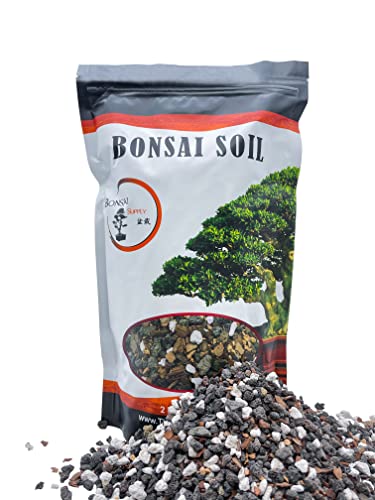
🌱【Ready-to-use Pre-mix】: Simplify repotting your Bonsai and other plants with our premium, fast-draining Bonsai potting soil mix. It comes pre-mixed and sifted for your convenience.

STARTING A TROPICAL GARDEN- Comprised of real horticultural grade ingredients such as shredded coir husk, pine bark, perlite, sand, and garden lime; no pelletized fertilizer

Feed the soil not the plants - stimulate microbial activity in your soil and boost probability of success with all types of plants… like composting but faster
Maintaining Tamarind Trees in Wet Soil
To ensure the successful growth of tamarind trees in wet soil, several factors need to be considered.
Firstly, maintaining proper drainage is essential. This can be achieved by planting tamarind trees in raised beds or mounds to prevent waterlogging. Good drainage will prevent water from accumulating around the roots, which can be detrimental to the tree's health.
Alongside proper drainage, monitoring and adjusting the moisture levels in the soil is crucial. Regularly checking the soil moisture and adjusting irrigation accordingly will help prevent both over-watering and under-watering. This will ensure that the trees receive the right amount of water they need to thrive.
Implementing mulching techniques can also help regulate soil moisture. Applying a layer of organic mulch around the base of the tree will help retain moisture in the soil, preventing it from drying out too quickly.
When it comes to pruning techniques, it's important to remove any dead or diseased branches. This will prevent the spread of pests and diseases and promote overall tree health. Regularly inspecting the trees for signs of pests and diseases is vital for early detection and control.
In addition to regular inspections, applying organic pest control methods can help manage common pests without harming the natural ecosystem. This will ensure that the trees remain healthy and free from infestations.
Recommended Products

Accurate Soil Moisture Detection: The XLUX Soil Moisture Meter can tell you if the soil deep inside your pot or garden is dry, moist or wet; whereas your eyes and fingers can only determine the moisture level of the soil surface. The probe is 5.5 inches (14 cm) longer than regular styles, allowing it to measure the soil moisture at the bottom of larger and deeper flower pots.

【4 in 1 function】This is a 4-in-1 multifunctional soil tester.Our soil tester fastly to measure soil moisture, pH, temperature and sunlight to help you take better care of flowers and plants.You can know when you need to water your soil by measuring moisture and pH & Temperature value of the soil and sunlight level of plants with it.

Accurate Soil Moisture Detection: The XLUX Soil Moisture Meter can tell you if the soil deep inside your pot or garden is dry, moist or wet; whereas your eyes and fingers can only determine the moisture level of the soil surface. The probe is 5.5 inches (14 cm) longer than regular styles, allowing it to measure the soil moisture at the bottom of larger and deeper flower pots.
Conclusion
In conclusion, tamarind trees are resilient and can indeed thrive in wet soil with proper drainage. With their adaptability and ability to withstand varying soil conditions, these trees can beautify your surroundings and provide delicious fruit. Consider the tips for planting and maintenance to ensure their longevity.
How might the presence of tamarind trees in wet soil benefit the ecosystem as a whole? Their adaptability prompts us to consider the broader implications of their presence.
