

Have you ever dreamed of growing your own juicy, flavorful blackberries right in your backyard? Picture this: it’s a warm summer day, and you step outside to pluck fresh blackberries from your very own garden. But where do you start? How do you plant blackberries to ensure a bountiful harvest?
In this article, we’ll guide you through the simple steps of planting blackberries so that you can enjoy the sweet rewards of your labor. From selecting the right variety for your climate to providing the ideal growing conditions, we’ve got you covered. By following our easy-to-understand tips, you’ll soon be on your way to cultivating delicious blackberries that you can savor all season long.
Key Takeaways
- Choosing the right blackberry variety is crucial for a successful harvest, considering climate and hardiness.
- Understanding the three main types of blackberries – erect thorned, trailing thorned, and trailing thornless – helps in selecting the ideal variety based on preferences and space availability.
- Proper site preparation including selecting a sunny location with good air circulation and preparing well-draining soil with proper pH levels enhances plant growth.
- Plant blackberry plants in late winter to early spring for optimal root establishment before the growing season begins.
- Care and maintenance practices such as consistent watering, mulching, pruning, training, and pest/disease management are essential for healthy plant growth and abundant harvests.
Choosing the Right Blackberry Variety
When planting blackberries, selecting the right variety is crucial for a successful harvest. Consider your climate and the hardiness of different types to ensure optimal growth. Understanding the various berry types available can also help you choose the best option for your garden.
Recommended Products
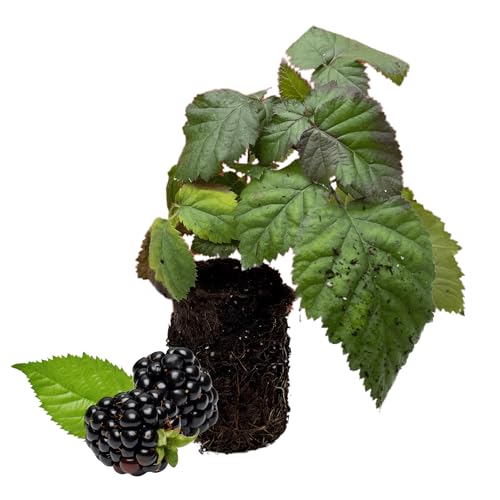
Popular variety that produces large, sweet, and firm berries

Great for Beginners – Triple Crown blackberries are known for their vigorous growth and upright habit, making them easy to grow, train, and maintain.

THORNLESS & SAFE TO HARVEST: 6 Healthy seedlings that are ready to plant. Thornless stems prevent scratches and make picking berries easier. Perfect for families and gardeners of all experience levels.
Consider Climate and Hardiness
When choosing a blackberry variety, it’s essential to consider your local climate and the plant’s hardiness. Different varieties thrive in specific climates, so select one that suits your region’s temperature and weather conditions. For example, if you live in a colder area, opt for varieties like ‘Chester Thornless’ or ‘Triple Crown,’ known for their cold tolerance. In contrast, warmer regions may benefit from varieties such as ‘Apache’ or ‘Natchez,’ which prefer hotter temperatures.
Understanding Berry Types
Blackberries come in three main types: erect thorned, trailing thorned, and trailing thornless. Erect thorned blackberries grow upright with sturdy canes but require trellising for support. Trailing thorned varieties have arching canes covered in thorns that need proper training along a trellis system. On the other hand, trailing thornless blackberries offer ease of maintenance without prickles but still require support as they grow horizontally.
By understanding these berry types’ characteristics, you can choose the right variety based on your gardening preferences and available space. Selecting an appropriate type will not only simplify maintenance but also contribute to healthy plant development and abundant fruit production in your garden.
Preparing the Planting Site
When planting blackberries, proper preparation of the planting site is crucial for their growth and productivity. Here’s what you need to do:
Selecting the Location
Choose a sunny spot in your garden for planting blackberries as they thrive in full sunlight. Ensure there is good air circulation to prevent diseases and promote healthy growth. Avoid areas with standing water or waterlogged soil as blackberries prefer well-draining soil.
Soil Preparation
Before planting, prepare the soil by digging a hole that is twice as wide and deep as the plant’s root ball. Mix in organic matter like compost to improve soil fertility and drainage. Blackberries prefer slightly acidic soil with a pH level between 5.5 and 7. Test your soil if needed and adjust the pH accordingly.
By following these steps, you’ll create an ideal environment for your blackberry plants to grow strong and produce bountiful harvests in your garden.
Planting Blackberry Plants
When planting blackberry plants, it’s essential to consider the best season for optimal growth and follow a step-by-step process to ensure successful cultivation.
Recommended Products

4pack Fiberglass Material Raspberry Cross Stake System with Adjustable Cross-bars, Height Adjustable
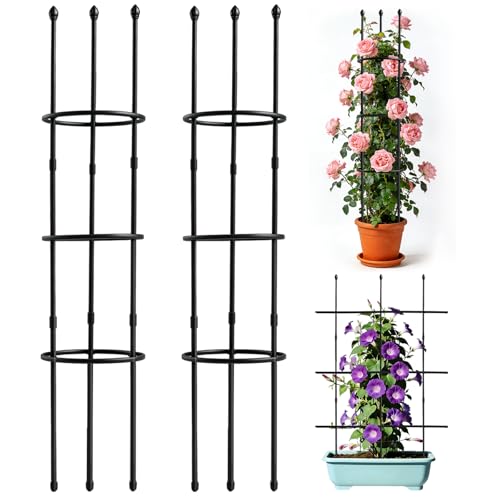
【Two Installation Methods】Our garden trellis can be configured into two types of plant trellis (panel stands and plant cages). You can also combine two or more panels together to form a larger plant stand panel or plant cage. Adjustable plant supports can meet your different plant support needs.

🌑[Plant Growth Support]:Garden plant trellis are committed to helping your indoor for potted plants and adds to the natural beauty. As plants grow, the houseplant trellis takes the form of a ladder to help your plant climbing and growing.
The Best Season to Plant
Blackberries are typically planted in late winter to early spring when the plants are dormant. This period allows the roots to establish before the active growing season begins. Planting during this time gives your blackberry plants a head start and increases their chances of thriving in the coming months.
- Site Selection: Choose a sunny location with good air circulation for your blackberry plants. Ensure that the soil is well-draining to prevent waterlogging, which can harm the roots.
- Soil Preparation:
- Dig a hole twice as wide and deep as the plant’s root ball.
- Amend the soil with compost to improve fertility and drainage.
- Test the soil pH and adjust if necessary to ensure it falls within the ideal range for blackberries (5.5-6.5).
- Planting:
- Gently remove the plant from its container, being careful not to damage its roots.
- Place the plant in the center of the hole at ground level and backfill with soil.
- Tamp down lightly around the base of the plant to remove air pockets.
- Watering:
- Water thoroughly after planting to help settle the soil around the roots.
- Keep the soil consistently moist but not waterlogged during initial growth stages.
- Support:
- Consider installing a trellis or support system for trailing varieties to keep them upright as they grow.
- Mulching:
- Apply a layer of mulch around but not directly against the plant stem to retain moisture, suppress weeds, and regulate soil temperature.
- Maintenance:
- Regularly prune dead or damaged canes and provide adequate nutrients through fertilization according to specific variety requirements.
By following these steps diligently, you’ll set your blackberry plants up for success, ensuring healthy growth and bountiful harvests in your garden.
Care and Maintenance of Blackberry Plants
Caring for your blackberry plants is essential to ensure healthy growth and a bountiful harvest. Here’s how you can effectively maintain your blackberry plants:
Watering and Mulching
When it comes to watering your blackberry plants, consistency is key. Make sure the soil remains consistently moist but not waterlogged. During dry spells, water deeply once a week, especially during the growing season.
Mulching around your blackberry plants helps retain moisture, suppresses weeds, and regulates soil temperature. Apply a layer of organic mulch, such as straw or wood chips, around the base of the plants while avoiding direct contact with the stems.
Pruning and Training
Pruning is crucial for maintaining the health and productivity of your blackberry plants. In late winter or early spring, prune out old canes that have already fruited to make room for new growth. Trim back lateral branches to encourage better fruit production.
Training your blackberry plants along a trellis or fence not only saves space but also improves air circulation around the plant, reducing the risk of diseases. Gently tie new canes to the support structure as they grow to keep them upright and organized.
By following these care tips diligently, you’ll ensure that your blackberry plants thrive and reward you with delicious berries season after season.
Common Challenges and Solutions
When planting blackberries, you may encounter some common challenges that can affect the health and yield of your plants. Here are ways to address potential issues:
Pest Management
To protect your blackberry plants from pests like aphids or spider mites, you can introduce beneficial insects such as ladybugs or lacewings to help control infestations naturally. Another option is using insecticidal soap or neem oil sprays to deter unwanted visitors without harming your plants.
Disease Prevention
Prevent diseases in your blackberry patch by ensuring good air circulation between plants, avoiding overhead watering that can promote fungal growth, and promptly removing any diseased plant parts. Consider planting disease-resistant varieties and regularly inspecting your plants for early signs of issues to address them promptly.
Conclusion
You now have all the tools you need to kickstart your blackberry gardening journey. Remember, choosing the right variety, preparing the site properly, and following through with regular care will lead to bountiful harvests. Embrace challenges as opportunities to learn and improve your gardening skills. By incorporating pest management strategies and disease prevention techniques, you’ll set your blackberry plants up for success. Keep a watchful eye on your plants and make adjustments as needed. With dedication and patience, you’ll soon enjoy juicy, homegrown blackberries straight from your backyard. Happy planting!
Frequently Asked Questions
1. What are the key factors to consider when selecting a blackberry variety?
When choosing a blackberry variety, consider factors like your climate, space availability, and preferred harvest time.
2. When is the best time to plant blackberries?
The optimal time to plant blackberries is in late winter or early spring when the ground is workable.
3. How should I prepare the planting site for blackberries?
Prepare the site by ensuring well-draining soil, full sun exposure, and adequate air circulation.
4. How often should I water my blackberry plants?
Water your blackberry plants regularly, aiming for about an inch of water per week during the growing season.
5. Do blackberry plants require support systems?
Yes, it’s recommended to provide support systems like trellises or stakes to help the plants grow upright and bear fruit efficiently.
6. Is mulching necessary for blackberry plants?
Mulching around blackberry plants helps retain moisture, suppress weeds, and maintain even soil temperatures.
7. How can I manage pests in my blackberry garden organically?
Utilize beneficial insects or organic sprays to control common pests like aphids or spider mites without harming beneficial wildlife.
8. What are some tips for preventing diseases in blackberry plants?
Prevent diseases by promoting good air circulation, avoiding overhead watering, removing diseased parts promptly, planting disease-resistant varieties, and conducting regular plant inspections.
