
Close Menu
    Fruit Tree Hub
    • Home
    • Apple Trees
    • Lemon Trees
    • Mango Trees
    • Orange Trees
    • More Trees
      • Best Fruit Trees
      • Apricot Trees
      • Cherry Trees
      • Fig Trees
      • Lime Trees
      • Mulberry Trees
      • Peach Trees
      • Pear Trees
      • Plum Trees
      • Pomegranate Trees
    • Tips and Advice
      • Tools
    • About Us
      • Contact
      • Privacy Policy
    Fruit Tree Hub
    Home»Climbing Fruit»Raspberry»Growing Raspberries and Blackberries Together: Tips for Successful Cultivation
    Raspberry

    Growing Raspberries and Blackberries Together: Tips for Successful Cultivation

    Lucy SmithBy Lucy SmithAugust 31, 20247 Mins Read
    Share Facebook Twitter Pinterest WhatsApp Email
    Share
    Facebook Twitter LinkedIn Pinterest Telegram Email

    Curious if you can grow raspberries and blackberries together in your garden? Picture this: You’re envisioning a luscious berry patch, but you’re unsure if these two delicious fruits can thrive side by side. The good news is, combining raspberries and blackberries in your garden can offer a fruitful bounty with the right know-how.

    Contents show
    1 Key Takeaways
    2 Compatibility of Raspberries and Blackberries
    2.1 Growing Conditions
    2.2 Root Systems and Space Requirements
    3 Benefits of Growing Raspberries and Blackberries Together
    3.1 Pollination Enhancement
    3.2 Pest Management
    4 Challenges and Considerations
    4.1 Disease Prevention
    4.2 Managing Different Growth Habits
    5 Planting and Care Tips
    5.1 Ideal Soil and Sunlight Conditions
    5.2 Pruning and Maintenance Techniques
    6 Conclusion
    7 Frequently Asked Questions
    7.1 Can raspberries and blackberries be grown together in a garden?
    7.2 What are the benefits of growing raspberries and blackberries together?
    7.3 What challenges are associated with interplanting raspberries and blackberries?
    7.4 How can I ensure successful cultivation when growing raspberries and blackberries together?
    7.5 What are some essential planting tips for raspberry and blackberry plants?

    Key Takeaways

    • Raspberries and blackberries are compatible planting companions as they thrive in similar growing conditions, including full sun exposure and well-draining soil with a pH level between 5.5-6.5.
    • Understanding the space requirements is crucial; raspberries need about 2-3 feet of space between plants, while blackberries require 4-6 feet due to their sprawling nature.
    • Planting raspberries and blackberries together can enhance pollination by attracting beneficial insects like bees and aid in natural pest management by disrupting pests’ habitats.
    • Address challenges such as disease prevention by ensuring proper spacing for good air circulation, regular inspection for signs of diseases, and practicing good garden hygiene to minimize risks.
    • Manage different growth habits through pruning techniques tailored to each berry type; prune raspberries annually after fruiting and remove old canes from blackberries post-harvest to encourage new growth.
    • Follow essential planting and care tips such as providing well-draining soil, adequate sunlight exposure, regular pruning for healthy plant maintenance, and creating an ideal environment for both fruits to thrive harmoniously.
    MUST READ
    Growing Raspberries in Colorado: Tips for Success & Resilience

    Compatibility of Raspberries and Blackberries

    When considering growing raspberries and blackberries together, it’s essential to understand their compatibility. Here’s what you need to know:

    Recommended Products

    BlackBerry Plants Freedom-Ark (4 Pack) Live for Sale | Easy to Grow Plants | Edible Fruit Plant for Sustainable Living | Grow Your own Food on Your Organic Garden | Live for Planting |
    BlackBerry Plants Freedom-Ark (4 Pack) Live for Sale | Easy to Grow Plants | Edible Fruit Plant for Sustainable Living | Grow Your own Food on Your Organic Garden | Live for Planting |

    Premium Collection: Includes our top 4 blackberry varieties for a diverse and abundant harvest

    VIEW LATEST PRICE

    As an affiliate, we earn on qualifying purchases.

    1 Jewel - Black Raspberry Plant - Everbearing - All Natural Grown - Ready for Fall Planting
    1 Jewel - Black Raspberry Plant - Everbearing - All Natural Grown - Ready for Fall Planting

    Sweet - High Yielding

    VIEW LATEST PRICE

    As an affiliate, we earn on qualifying purchases.

    2 Live Raspberry Plants for Planting – Premium Bare Root Berry Bushes – Sweet Red Raspberries – Cold Hardy, Fast Growing Fruit Plants for Outdoor Garden – High Yield Perennial Canes
    2 Live Raspberry Plants for Planting – Premium Bare Root Berry Bushes – Sweet Red Raspberries – Cold Hardy, Fast Growing Fruit Plants for Outdoor Garden – High Yield Perennial Canes

    🍓 Sweet, Juicy Homegrown Raspberries: Enjoy delicious, sun-ripened berries straight from your garden. Perfect for fresh eating, baking, jams, and freezing.

    VIEW LATEST PRICE

    As an affiliate, we earn on qualifying purchases.

    Growing Conditions

    Raspberries and blackberries thrive in similar conditions, making them compatible planting companions. They both prefer full sun exposure for optimal growth, requiring at least 6-8 hours of sunlight daily. Ensure the soil is well-draining with a pH level between 5.5-6.5 for successful cultivation. By meeting these basic requirements, you can create an environment where both fruits can flourish harmoniously.

    Root Systems and Space Requirements

    While raspberries and blackberries share comparable root systems that are shallow and wide-spreading, they do have distinct space preferences. Raspberries typically grow in clumps or hills, necessitating about 2-3 feet of space between each plant to allow for proper air circulation and prevent overcrowding. On the other hand, blackberry plants require slightly more room due to their sprawling nature, needing approximately 4-6 feet between plants to accommodate their vigorous growth habits.

    MUST READ
    What Can You Plant with Raspberries for a Thriving Garden Ecosystem

    By understanding the growing conditions, root systems, and space requirements of raspberries and blackberries, you can effectively cultivate these delicious fruits together in your garden for a bountiful harvest.

    Benefits of Growing Raspberries and Blackberries Together

    When you plant raspberries and blackberries together, you not only optimize space but also enjoy several benefits that come from their compatibility. Here’s why combining these fruits in your garden can be advantageous:

    Pollination Enhancement

    By growing raspberries and blackberries together, you create a conducive environment for pollinators like bees to thrive. These insects play a crucial role in transferring pollen between plants, leading to better fruit set and increased yields. The presence of both raspberry and blackberry blossoms attracts a diverse range of pollinators, enhancing the overall pollination process.

    Pest Management

    One notable advantage of cultivating raspberries and blackberries together is improved pest management. These fruits are susceptible to similar pests and diseases, but by interplanting them, you can disrupt the habitat of specific pests that target either raspberries or blackberries exclusively. This natural form of pest control helps reduce infestations and minimizes the need for chemical interventions, promoting a healthier growing environment for both types of berries.

    Challenges and Considerations

    When growing raspberries and blackberries together, you may encounter some challenges and considerations that are important to address for successful cultivation.

    Recommended Products

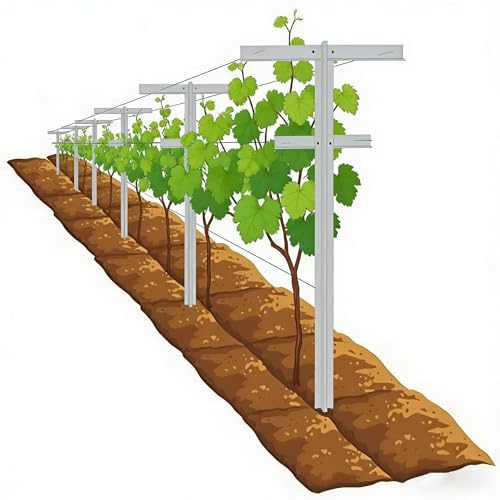
    MRGARDEN 7-Feet Adjustable Garden Trellis Set for Raspberry and Climbing Plants, Outdoor Stake Vineyard Trellis, Pack of 4
    MRGARDEN 7-Feet Adjustable Garden Trellis Set for Raspberry and Climbing Plants, Outdoor Stake Vineyard Trellis, Pack of 4

    4pack Fiberglass Material Raspberry Cross Stake System with Adjustable Cross-bars, Height Adjustable
    VIEW LATEST PRICE

    As an affiliate, we earn on qualifying purchases.

    MUST READ
    How Deep to Plant Raspberries: The Ultimate Guide for Healthy Growth
    MRGARDEN 5-Feet Garden Trellis 4pack for Raspberry and Climbing Plants, Heavy Duty Outdoor Stakes Vineyard Trellis, Fiberglass Rust-Proof, 4 Trellises
    MRGARDEN 5-Feet Garden Trellis 4pack for Raspberry and Climbing Plants, Heavy Duty Outdoor Stakes Vineyard Trellis, Fiberglass Rust-Proof, 4 Trellises

    Fiberglass Material Raspberry Cross Stake System with Adjustable Arms

    VIEW LATEST PRICE

    As an affiliate, we earn on qualifying purchases.

    MRGARDEN 5-Feet Grape Vine Trellis 2packs for Raspberry, Grape Vines, Outdoor Climbing Plants, Heavy Duty Fiberglass Stake Vineyard Trellis, Rust-Proof, Easy to Install Garden Trellis
    MRGARDEN 5-Feet Grape Vine Trellis 2packs for Raspberry, Grape Vines, Outdoor Climbing Plants, Heavy Duty Fiberglass Stake Vineyard Trellis, Rust-Proof, Easy to Install Garden Trellis

    Fiberglass Material Raspberry Cross Stake System with 2 Adjustable Cross-bars

    VIEW LATEST PRICE

    As an affiliate, we earn on qualifying purchases.

    Disease Prevention

    To prevent diseases when cultivating raspberries and blackberries together, ensure proper spacing between the plants. Adequate spacing allows for good air circulation, reducing the risk of fungal diseases such as powdery mildew or botrytis. Regularly inspect your plants for any signs of disease, like wilting leaves or unusual spots, and promptly address any issues to prevent further spread. Additionally, practicing good garden hygiene by removing fallen leaves and debris can help minimize the risk of disease transmission.

    Managing Different Growth Habits

    Given their distinct growth habits, it’s crucial to manage raspberries’ spreading nature and blackberries’ upright growth. Consider installing trellises or support systems to keep blackberry canes upright and prevent them from sprawling onto raspberry bushes. Pruning is essential for both types of berries but varies based on their growth patterns. Prune raspberries annually after fruiting to encourage new growth while pruning blackberries involves removing old canes after harvest to make room for new shoots.

    By addressing these challenges proactively and considering the unique characteristics of each berry type, you can successfully grow raspberries and blackberries together in your garden.

    MUST READ
    How Long Does It Take Raspberries to Grow? A Complete Guide to Successful Cultivation

    Planting and Care Tips

    When it comes to growing raspberries and blackberries together, here are some essential planting and care tips to ensure a successful harvest.

    Ideal Soil and Sunlight Conditions

    For optimal growth, both raspberries and blackberries thrive in well-draining soil with a pH level between 5.5 and 6.5. Ensure your garden receives full sunlight for at least six hours a day to promote fruit production. These berries can tolerate partial shade but may result in reduced yields.

    Pruning and Maintenance Techniques

    Regular pruning is key to maintaining healthy raspberry and blackberry plants. Remove dead or diseased canes annually to encourage new growth. For raspberries, prune the canes that have fruited after harvesting, while for blackberries, cut back the floricanes that bore fruit to ground level in late winter or early spring.

    By following these planting and care tips, you’ll create an ideal environment for your raspberries and blackberries to thrive together in your garden.

    Conclusion

    Growing raspberries and blackberries together can be a rewarding experience in your garden. By understanding their unique needs and characteristics, you can create a harmonious environment for both fruits to thrive. Remember to consider spacing requirements, disease prevention, and proper care techniques to ensure the health and productivity of your plants. With interplanting, you not only benefit from improved pollination and pest management but also face challenges that can be overcome with careful attention. By following the planting and care tips outlined in this article, you’ll be on your way to enjoying a bountiful harvest of delicious raspberries and blackberries in your own backyard. Happy gardening!

    MUST READ
    When to Plant Raspberries in NC: Tips for Successful Cultivation

    Frequently Asked Questions

    Can raspberries and blackberries be grown together in a garden?

    Yes, raspberries and blackberries can be grown together in a garden as they thrive in similar conditions but require different spacing due to their root systems.

    What are the benefits of growing raspberries and blackberries together?

    Growing raspberries and blackberries together offers advantages like enhanced pollination, efficient space utilization, and integrated pest management.

    What challenges are associated with interplanting raspberries and blackberries?

    Challenges include disease prevention, managing different growth habits, potential competition for resources, and ensuring proper spacing for optimal growth.

    How can I ensure successful cultivation when growing raspberries and blackberries together?

    To ensure successful cultivation, focus on proper spacing according to the plants’ root systems, regular disease inspection, pruning techniques tailored to each plant’s needs, and providing adequate support structures.

    What are some essential planting tips for raspberry and blackberry plants?

    Important planting tips include selecting well-draining soil, ensuring optimal sunlight exposure (at least 6 hours per day), incorporating organic matter into the soil before planting, and watering deeply but infrequently.

    Share. Facebook Twitter Pinterest LinkedIn Tumblr Email
    lucy smith
    Lucy Smith
    • Website

    Lucy Smith is a highly experienced horticulturist with a passion for fruit tree cultivation. She holds a degree in Horticulture from the University of California, Davis, and has worked in various roles in the industry. With over 10 years of experience, Lucy is dedicated to using eco-friendly methods for sustainable gardening practices.

    Related Posts

    Discovering Raspberry Growth Maps: Unveiling Ideal Cultivation Regions Worldwide

    September 7, 2024

    Companion Planting Blackberries and Raspberries: Tips for Successful Growth

    September 7, 2024

    When to Transplant Black Raspberries for Healthy Growth and Fruit Production

    September 7, 2024

    How to Grow Raspberries in Ohio: A Complete Guide for Successful Harvests

    September 7, 2024

    What Type of Soil Do Raspberries Need? Tips for Healthy Growth and Bountiful Harvests

    September 7, 2024

    Companion Planting Strawberries, Blueberries, and Raspberries: Tips for a Thriving Berry Garden

    September 7, 2024
    Leave A Reply Cancel Reply

    Affiliate Disclosure

    As an Amazon Associate I earn from qualifying purchases.

    Recommended Reading

    Why is My Meyer Lemon Tree Dropping Fruit: Tips to Prevent Premature Loss and Boost Harvest

    How to Treat Rust on Fruit Trees: Effective Methods for a Healthy Harvest

    How Do You Grow a Fruit Tree: Essential Tips for Successful Cultivation and Care

    Which Fruit Trees to Plant Together for a Bountiful and Thriving Garden

    Growing Olive Trees in Hawaii (Tropical Harvest Secrets)

    21 Classic Solid-Stitch Crochet Bags With Minimalist Shapes

    Growing Banana Trees in Georgia (Southern Success Secrets)

    Growing Grapefruit Trees Indoors: From Cultivation to Harvesting Delight

    Grapefruit Trees in Georgia: Peach State Success Secrets

    What Are Grafted Fruit Trees: Benefits, Care Tips, and Grafting Techniques Explained

    Fruit Tree Hub

    Fruit Tree Hub is a website dedicated to providing you everything you need to grow fruit trees successfully at in your own yard.

    Contact us at: [email protected]

    - AFFILIATE DISCLOSURE: As an Amazon Associate I earn from qualifying purchases.

    Latest Posts

    18 Halloween Crochet Blanket Ideas Featuring Pumpkins, Ghosts, and Seasonal Motifs

    20 Festive Fall Crochet Blanket Ideas in Rust, Mustard, and Earthy Tones

    25 Chunky Crochet Blanket Ideas Using Bulky Yarn for Thick Texture

    24 Filet Crochet Blanket Ideas Featuring Openwork Motifs

    19 Simple One-Color Crochet Blanket Ideas for Minimalist Designs

    22 Dreamy Crochet Temperature Blanket Ideas for Year-Long Color Tracking

    18 Lightweight Crochet Picnic Blanket Ideas for Outdoor Use

    20 Practical Crochet Pet Blanket Ideas for Dogs and Cats

    Categories
    • Almond Trees
    • Apple Trees
    • Apricot Trees
    • Best Fruit Trees
    • Blackberry
    • Cantaloupe
    • Cherry Trees
    • Christmas Crochet Ideas
    • Crochet Bag Ideas
    • Crochet Blanket Ideas
    • Crochet Ideas
    • Crochet Ideas for Beginners
    • Cucamelon
    • Easy Crochet Ideas
    • Easy Knitting Projects
    • Fall Crochet Ideas
    • Fig Trees
    • Grapefruit Trees
    • Grapes
    • Guava Trees
    • Halloween Crochet Ideas
    • Honeydew
    • Jujube Trees
    • Kiwi
    • Knitting For Beginners
    • Knitting Ideas
    • Knitting Inspiration
    • Lemon Trees
    • Lime Trees
    • Loquat Trees
    • Mango Trees
    • Mulberry Trees
    • Nectarine Trees
    • Olive Trees
    • Orange Trees
    • Papaya Trees
    • Peach Trees
    • Pear Trees
    • Persimmon Trees
    • Planting
    • Plum Trees
    • Pomegranate Trees
    • Quince Trees
    • Raspberry
    • Reviews
    • Small Crochet Ideas
    • Star Fruit Trees
    • Summer Crochet Ideas
    • Tamarind Trees
    • Tangerine Trees
    • Tips and Advice
    • Tools
    • Uncategorized
    • Walnut Trees
    • Winter Crochet Ideas
    © 2026 Fruit Tree Hub
    • Home
    • About Us
    • Contact
    • Privacy Policy
    • Terms and Conditions
    • Disclaimer
    • Editorial Policy
    • Affiliate Disclosure

    Type above and press Enter to search. Press Esc to cancel.