

Growing plum trees in pots in New Hampshire is feasible with the right techniques and care. Container gardening allows you to enjoy fresh plums even in colder climates, provided you choose the right varieties and manage their needs effectively.
Best Plum Tree Varieties for Container Growth
When selecting plum trees for container growth in New Hampshire, it’s essential to choose varieties that thrive in limited space and can withstand the local climate. The right selection can lead to a fruitful harvest, making it possible to enjoy fresh plums even in a northern setting. Here are some of the best plum tree varieties suited for pot cultivation.
Choosing the appropriate plum tree variety is crucial for successful growth in pots. Certain varieties thrive better in colder climates and are more suitable for container life. Look for dwarf or semi-dwarf varieties that are compact and manageable.
Methley: A self-pollinating variety that produces sweet, juicy plums.
Shiro: Known for its yellow fruit and excellent cold hardiness.
Santa Rosa: A popular choice with a rich flavor and good disease resistance.
Recommended Products

BEGINNER-FRIENDLY & EASY TO GROW – Perfect for first-time bonsai growers, simple planting and care instructions

Makes a great flowering and fruiting bonsai

Fragrant Flowers: Bloom blossoms that provide precious nectar for pollinators like bees, creating your own romantic orchard with heavy fruit and rich flavor
Potted Plum Tree Care Essentials
Caring for potted plum trees in New Hampshire requires attention to specific environmental and horticultural needs. Understanding the essentials of watering, fertilization, and pruning will help ensure these trees thrive in a container. This section outlines the key practices to maintain healthy, productive plum trees in your garden.
Gathering the right supplies ensures your plum tree has the best chance for success. Use high-quality materials to create a thriving environment.
| Supply Item | Purpose |
|---|---|
| Large Pot | Provides adequate root space |
| Potting Mix | Ensures proper drainage |
| Fertilizer | Supplies essential nutrients |
| Mulch | Retains moisture and temperature |
Recommended Products

INDOOR GROWING: Growing indoors is easy under the right conditions; Miracle-Gro Houseplant Potting Mix is an indoor plant potting soil that combines key elements container plants need to thrive

Made For Potted Citrus Trees: Our citrus potting soil mix is made for potted lemon, lime, orange and other citrus trees that need a lighter growing medium for repotting. We double-screen all of our raw ingredients to support a cleaner, more consistent texture for pouring and repotting potted citrus trees.

【Ideal pH Balance】Our citrus soil is carefully calibrated to maintain an optimal pH level between 6.0 and 7.1, ensuring your citrus trees can absorb essential nutrients efficiently and thrive
Pot Preparation for Healthy Plum Trees
Preparing the right pot is crucial for the success of plum trees in New Hampshire’s unique climate. Proper pot preparation ensures that these trees receive adequate drainage, nutrients, and space to thrive. Understanding the specific needs of plum trees will help you create an optimal environment for healthy growth in a container setting.
Proper preparation of the pot is vital for the health of your plum tree. Start by ensuring that your container has drainage holes to prevent waterlogging.
Add a layer of gravel at the bottom for drainage.
Fill the pot with a high-quality potting mix.
Water the mix thoroughly before planting.
Recommended Products

Material:Made from quality plastic material,which is lightweight and reusable. The wall of the nursery pot is thin but durable to use repeatedly.
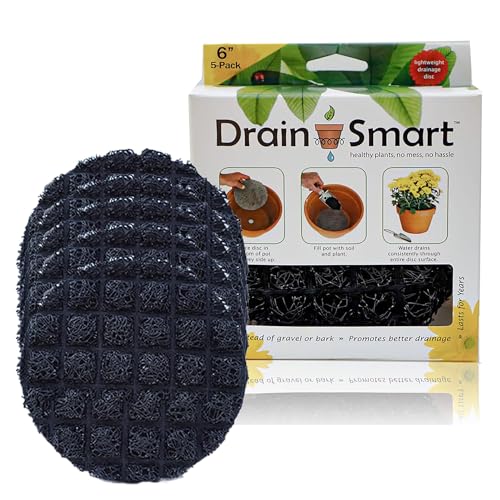
MADE IN THE USA — BUILT TO LAST - Drain Smart drainage discs are proudly made in the USA using a rigid 3D mesh design intended for long-term use. No flimsy imports, no cracking, no collapsing.

🌱【9-Pack Orchid Pots in 3 Perfect Sizes】Include 9-pack orchid pots in 3 sizes (4.3, 5.5, and 6.3 inch) to support your orchids at every growth stage. Whether repotting mature orchids or nurturing young plants, these pots cover all your planting needs
Potted Plum Tree Planting Methods
Growing plum trees in pots can be a rewarding endeavor, especially in New Hampshire’s unique climate. Understanding the best planting methods is crucial for ensuring healthy growth and fruit production. This section delves into effective techniques tailored for cultivating potted plum trees in northern conditions.
Planting your plum tree correctly sets the foundation for healthy growth. Follow these steps to ensure successful planting.
Remove the tree from its nursery pot carefully to avoid damaging the roots.
Place the tree in the center of the pot, ensuring the root ball is level with the soil surface.
Fill in around the roots with potting mix, gently pressing down to eliminate air pockets.
Water the tree thoroughly after planting to settle the soil.
Potted Plum Tree Care Essentials
Caring for potted plum trees in New Hampshire requires specific attention to their unique needs, especially given the region’s climate. Understanding the essentials of watering, fertilizing, and protecting these trees from harsh weather will help ensure they thrive in containers. This section outlines the key practices for maintaining healthy and productive potted plum trees in northern environments.
Ongoing care is essential for the health of your plum tree. Monitor its needs closely throughout the growing season.
Watering: Ensure consistent moisture, especially during dry spells.
Fertilizing: Use a balanced fertilizer every 4-6 weeks during the growing season.
Pruning: Regularly prune to maintain shape and promote airflow.
Winter Protection for Potted Plum Trees
Maintaining potted plum trees in New Hampshire requires special attention during the harsh winter months. The cold can pose significant risks to these delicate plants, making effective winter protection essential for their survival. Understanding the best practices for insulating and safeguarding your potted plum trees will help ensure they thrive year after year.
New Hampshire winters can be harsh for plum trees in pots. Protecting your tree during the cold months is crucial for its survival.
Move pots to a sheltered location such as a garage or shed.
Wrap pots with insulation or burlap to protect roots from freezing.
Consider mulching the top of the soil to retain warmth.
Potted Plum Tree Challenges and Remedies
Growing plum trees in pots can be rewarding, but it also presents unique challenges, especially in New Hampshire’s climate. Understanding common issues such as limited root space, nutrient deficiencies, and pest management is essential for successful cultivation. This section explores these challenges and offers practical remedies to ensure your potted plum trees thrive.
Potted plum trees can face specific challenges. Recognizing these issues early allows for effective solutions.
| Issue | Symptoms | Solution |
|---|---|---|
| Leaf Drop | Yellowing leaves | Adjust watering frequency |
| Poor Fruit Production | Few or no plums | Ensure proper pollination |
| Root Rot | Wilting and brown roots | Improve drainage and reduce watering |
Optimal Plum Harvesting Timing
Understanding the optimal timing for harvesting plums is crucial for maximizing yield and flavor, especially in New Hampshire’s unique climate. This section delves into the specific indicators that signal when your potted plum trees are ready for harvest, ensuring you enjoy the best possible fruit from your efforts. Timing can make all the difference in the quality of your plums.
When your plum tree bears fruit, knowing when to harvest is key. Plums should be picked when they are fully colored and slightly soft to the touch.
Pick plums gently to avoid bruising.
Store them in a cool place to extend shelf life.
Managing plum trees in pots in New Hampshire requires attention to detail and care. Follow these guidelines to enjoy a fruitful harvest.
