

Have you ever wondered which fruits actually grow on trees? You might be surprised to learn that many of your favorite snacks come from these towering plants. From juicy apples to sweet cherries, trees play a vital role in providing delicious and nutritious options.
Key Takeaways
- Diverse Tree Fruits: Tree fruits such as apples, cherries, peaches, and oranges offer a wide range of flavors, enriching both our palate and diet.
- Nutritional Benefits: Many tree fruits are packed with essential vitamins (like C and A), minerals (such as potassium and calcium), dietary fiber, and antioxidants, promoting overall health.
- Growing Your Own: Successfully growing tree fruits involves selecting suitable varieties for your climate, ensuring proper planting techniques, and maintaining regular watering.
- Citrus vs. Stone vs. Pome Fruits: Understanding the differences between these fruit categories helps in selecting the right types for planting or consumption.
- Ideal Growing Conditions: Tree fruits thrive in well-drained soils and require proper climate conditions, with some preferring warmer environments, while others tolerate cooler conditions.
- Incorporation into Diet: Adding a variety of tree fruits to your meals can enhance the nutritional value, making them a valuable component of a healthy lifestyle.
Overview Of Tree Fruits
Tree fruits offer a diverse array of flavors and nutritional benefits. Understanding these fruits helps you appreciate their role in a healthy diet. Here’s a look at some common tree fruits and their characteristics.
Common Types Of Tree Fruits
- Apples: Grown on apple trees, these fruits are available in various colors and flavors. Consider varieties like Granny Smith for tartness or Fuji for sweetness.
- Cherries: Sweet or sour, cherries come from cherry trees. Use them in desserts or enjoy them fresh.
- Peaches: Soft and juicy, peaches grow on peach trees. They’re perfect for snacking or baking in pies.
- Pears: Known for their sweet taste, pears grow on pear trees. They can be eaten raw or cooked.
- Oranges: Citrus fruits, like oranges, thrive on orange trees. Rich in vitamin C, they’re excellent for juicing.
Nutritional Benefits
Tree fruits are packed with vitamins, minerals, and antioxidants. Apples provide fiber, while oranges are high in vitamin C. Incorporating a variety of tree fruits into your diet promotes overall health.
Growing Your Own Tree Fruits
If you’re interested in growing your own fruits, consider these steps:
- Choose the Right Variety: Select tree fruits suitable for your climate. Research local weather patterns and soil conditions.
- Find a Suitable Location: Look for a spot with plenty of sunlight and good drainage. Avoid low areas where water might collect.
- Plant Properly: Dig a hole large enough for the root ball. Place the tree in the hole and fill with soil, firming it gently.
- Water Regularly: Ensure consistent moisture, especially in the first few years. Avoid overwatering, which can harm roots.
| Fruit | Common Varieties | Harvest Season |
|---|---|---|
| Apples | Granny Smith, Fuji | Fall |
| Cherries | Bing, Rainier | Summer |
| Peaches | Clingstone, Freestone | Summer |
| Pears | Bartlett, Bosc | Late Summer |
| Oranges | Valencia, Navel | Winter |
You can enjoy the benefits of tree fruits by incorporating them into your meals or trying your hand at growing them. Each fruit offers unique tastes and health benefits, making them a valuable part of your diet.
Popular Fruits That Grow On Trees
Trees produce a variety of delicious fruits. Here’s a closer look at some of the most popular types.
Recommended Products

COMPLETE 3-IN-1 CITRUS NUTRITION KIT - Everything Your Trees Need Professional-grade fertilizer system includes slow-release NPK granules (6-month supply), liquid micronutrient concentrate (makes 32oz), and calcium supplement (makes 32oz). Specially formulated for lemon, orange, lime, grapefruit, and all citrus varieties in containers and pots.
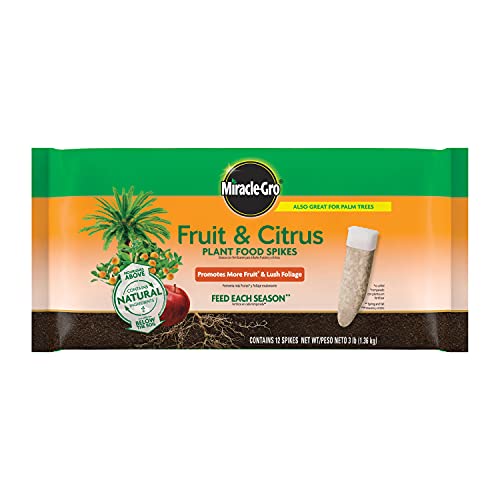
FORMULATED FOR CITRUS AND FRUIT TREES: Use these citrus fertilizer spikes on apple, orange, lemon, lime, and avocado trees; this formula is also great for feeding palm trees

Package contains 4 Pounds organic fruit and citrus fertilizer grains and is produced to avoid wasteful runoff, mess, hazards and smells
Citrus Fruits
Citrus fruits are known for their bright colors and zesty flavors. Common varieties include:
- Oranges: Sweet, juicy, and packed with vitamin C, oranges are perfect for snacking or juicing.
- Lemons: Tart and refreshing, lemons enhance drinks and are key in cooking and baking.
- Limes: With a tangy flavor, limes are great in cocktails and sauces.
- Grapefruits: Slightly bitter and juicy, grapefruits often appear in breakfast dishes.
Citrus trees thrive in warm climates, requiring full sun and well-drained soil to produce abundant fruit.
Stone Fruits
Stone fruits feature a fleshy exterior and a hard pit inside. Popular stone fruits include:
- Peaches: Sweet and fragrant, peaches work well fresh or in desserts like pies.
- Plums: Juicy with a slight tartness, plums are delightful fresh or dried as prunes.
- Cherries: Sweet or tart, cherries make excellent snacks or toppings for desserts.
- Apricots: Sweet and slightly tangy, apricots are great fresh or dried.
Stone fruit trees enjoy full sunlight and well-drained soil but require consistent watering during dry seasons.
Pome Fruits
Pome fruits feature a core surrounded by a fleshy outer layer. Key pome fruits include:
- Apples: Diverse in taste and texture, apples are versatile for snacking, baking, and cider-making.
- Pears: Soft and sweet when ripe, pears are delicious raw or in salads.
- Quinces: Tart and fragrant, quinces typically require cooking to bring out their flavors.
Pome fruit trees grow well in cooler climates, needing regular pruning and care for optimal fruit production.
Nutritional Benefits Of Tree Fruits
Tree fruits provide a variety of essential nutrients and health benefits. Incorporating them into your diet promotes overall wellness and supports specific health needs.
Vitamins
- Vitamin C: Citrus fruits like oranges and grapefruits are high in vitamin C, which boosts your immune system and enhances skin health.
- Vitamin A: Peaches and apricots are rich in vitamin A, supporting eye health and skin integrity.
- B Vitamins: Apples and pears contain various B vitamins, helping with energy production and brain function.
Minerals
- Potassium: Many tree fruits, especially bananas and oranges, are excellent sources of potassium, aiding in heart function and muscle contractions.
- Magnesium: Tree fruits like avocados provide magnesium, which supports bone health and regulates muscle and nerve function.
- Calcium: Some fruits, like figs, contain calcium, essential for strong bones and teeth.
Dietary Fiber
- Promotes Digestive Health: Many tree fruits, such as apples and pears, are high in dietary fiber, aiding digestion and preventing constipation.
- Supports Weight Management: Fiber-rich fruits keep you full longer, helping with weight control by reducing overall calorie intake.
Antioxidants
- Combat Oxidative Stress: Tree fruits, particularly berries and cherries, are packed with antioxidants that reduce inflammation and help protect against chronic diseases.
- Reduce Risk of Chronic Conditions: Antioxidants in fruits may lower the risk of conditions like heart disease, diabetes, and certain cancers.
- High Water Content: Fruits like watermelon and oranges are about 90% water, helping keep you hydrated and refreshing during hot weather.
By enjoying a variety of tree fruits, you can easily boost your nutritional intake and support a healthy lifestyle.
Growing Conditions For Tree Fruits
Tree fruits thrive under specific conditions that impact their growth and yield. Focusing on climate requirements and soil types helps ensure successful fruit production.
Climate Requirements
Citrus fruits prefer warm climates with ample sunlight. Ideal temperatures range from 70°F to 100°F. Stone fruits also need plenty of sun, flourishing best in temperatures between 70°F and 85°F during the growing season. Pome fruits tolerate cooler conditions, thriving in areas with chilling hours below 45°F during winter. For all types, good air circulation prevents diseases and promotes healthy fruit development.
Soil Types
Tree fruits prefer well-draining soil rich in organic matter. Sandy or loamy soils allow for proper drainage while retaining necessary moisture. Pome fruits, like apples, appreciate slightly acidic to neutral pH levels (6.0 to 7.0). Citrus trees thrive in sandy soils with good drainage and a pH of 6.0 to 8.0. Regular soil testing reveals nutrient levels, ensuring optimal growth. Amend soil with compost or well-rotted manure to boost fertility and improve the overall health of your trees.
Conclusion
Exploring the world of tree fruits opens up a delicious array of options for your diet and garden. Whether you’re enjoying the sweet crunch of an apple or the juicy burst of an orange there’s a fruit for every taste preference.
By growing your own tree fruits you not only get to savor fresh flavors but also reap their numerous health benefits. With a little care and attention to growing conditions you can cultivate a fruitful garden that provides joy and nourishment for years to come. So why not embrace the beauty and bounty of tree fruits in your life?
Frequently Asked Questions
Recommended Products

Kindly NOTE: This soil tester can not be applied to test pH value of any other liquid. If the soil is too dry the indicator will not move, and water it before testing.

Accurate Soil pH Testing: Dewildetradingco Soil pH Test Strips offer measurements of soil pH levels (pH 3.5-9). As an essential tool for every gardener and grower, these test strips help determine the optimal pH for various plants, such as outdoor plants, indoor plants, gardens, grass lawns, fruit trees, flowers, vegetables, and forest shrubs.

KNOW BEFORE YOU GROW | Grow the healthiest, sustainable lawn and garden with the most accurate and easy to use professional soil test kit on the market
What fruits grow on trees?
Many popular fruits grow on trees, including apples, cherries, peaches, pears, and oranges. These fruits come from different tree varieties, each providing unique flavors and health benefits.
How do tree fruits differ nutritionally?
Tree fruits offer various vitamins and minerals. Citrus fruits are high in vitamin C, while peaches and apricots are rich in vitamin A. Apples and pears provide B vitamins, all contributing to a balanced diet.
What are the main types of tree fruits?
Tree fruits fall into three categories: citrus fruits (e.g., oranges), stone fruits (e.g., peaches), and pome fruits (e.g., apples). Each type has specific growing requirements and characteristics.
How can I grow my own tree fruits?
To grow tree fruits, start by selecting the right variety for your climate. Choose a suitable location with good sunlight, use proper planting techniques, and maintain regular watering and soil health.
What climate is best for tree fruits?
Citrus fruits thrive in warm climates (70°F to 100°F), stone fruits do best between 70°F to 85°F, and pome fruits prefer cooler conditions. Adequate chilling hours in winter are essential for optimal fruiting.
How do I ensure good soil for tree fruits?
Ensure well-draining soil rich in organic matter, with the right pH for your fruit type. Conduct regular soil testing and use compost or well-rotted manure to enhance fertility and support tree health.
