

Ever wondered which fruit trees can be grafted together? If you’re looking to maximize your garden space or create unique fruit combinations, understanding grafting can be a game changer. Imagine growing apples, pears, and cherries on a single tree.
Key Takeaways
- Grafting Basics: Grafting combines two plants into one, where the scion provides fruit characteristics and the rootstock offers stability and support.
- Preferred Grafting Methods: Common techniques such as T-budding, cleft grafting, and whip and tongue grafting help achieve successful unions based on compatibility and size of branches.
- Compatibility Matters: Ensure that fruit trees belong to the same species or genus for effective grafting, as evidenced by successful pairings of apples with crabapples, and pears with quince.
- Optimal Timing: Spring is the best season for grafting, as the active growing period supports successful integration between scion and rootstock.
- Proper Aftercare: Essential aftercare includes regular watering, protection from extreme elements, and monitoring for pests to ensure grafted trees thrive.
- Benefits of Grafting: Grafting enhances fruit yield and disease resistance, allowing for diverse fruit combinations and improved overall tree health.
Understanding Grafting
Grafting joins two plants to create a single, integrated tree. The upper part, known as the scion, brings the desired fruit characteristics. The lower part, called the rootstock, provides stability and root support.
Grafting Methods
Various methods exist for grafting fruit trees.
- T-Budding: This technique uses a bud from the scion and inserts it into a cut on the rootstock. This method is simple and effective for many fruit trees.
- Cleft Grafting: In this method, you cut the rootstock down the middle and insert two scions into the split. This approach works well with larger rootstocks.
- Whip and Tongue Grafting: Both scion and rootstock are cut at an angle, creating a strong join when slid together. This technique is effective for similar-sized branches.
Choosing Compatible Varieties
Not all trees can be grafted together. Compatibility relies on shared species or genus. For instance, apples graft onto other apples. Similarly, pears often graft successfully onto other pear trees. Here are a few common combinations:
| Rootstock | Compatible Scions |
|---|---|
| Apple | Apple, Crabapple |
| Pear | Pear, Quince |
| Cherry | Sweet Cherry, Sour Cherry |
| Plum | Plum, Apricot |
Ideal Grafting Time
Timing matters for successful grafting. Spring, when trees are actively growing and sap flows, offers the best chance for successful grafting. Avoid grafting in extreme temperatures or when trees are dormant.
Tools for Grafting
Having the right tools simplifies the process. Essential tools include:
- Sharp Knife: A clean cut promotes healing.
- Grafting Tape: Use this to secure the graft and retain moisture.
- Pruning Shears: For trimming branches and roots before grafting.
Aftercare for Grafted Trees
After grafting, proper care ensures success:
- Watering: Keep soil moist, but not waterlogged.
- Protection: Shield newly grafted trees from strong sun and wind.
- Monitoring: Check for pests or diseases during the healing process.
Understanding grafting opens up opportunities for unique fruit combinations in your garden. By selecting compatible trees and using the right techniques, you can create a thriving multi-fruit tree.
Benefits Of Grafting Fruit Trees
Grafting fruit trees offers several significant benefits that enhance your gardening experience. Understanding these advantages helps you make informed choices about your trees.
Improved Yield
Grafted trees often produce higher yields compared to non-grafted counterparts. Combining different varieties can increase fruit production. For example, a tree that features multiple apple varieties can yield apples over an extended harvest period, providing a steady supply of fruit. Growers often report a 20-30% increase in production when grafting compatible varieties.
Disease Resistance
Grafting can enhance disease resistance, helping your trees thrive in various conditions. By selecting a rootstock known for its resistance to specific diseases, you strengthen the overall health of your tree. For instance, using rootstocks like M9 or M26 with apple trees can reduce the risk of root rot and other serious conditions. This strategy not only protects your investment but also ensures a more robust tree with better long-term results.
Common Fruit Trees Suitable For Grafting
Grafting can create diverse fruit combinations that enhance your garden. Here are some common fruit trees that successfully graft together.
Recommended Products
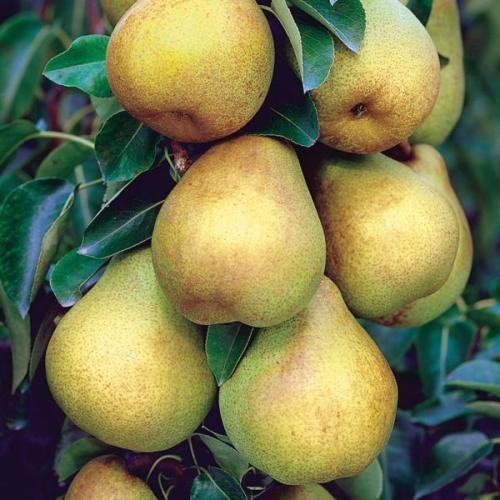
You will receive 8 cuttings of Bartlett pear tree. This tree is producing a large number of great tasting pears! Should grow well in Zones 4-9. Each cutting is 6-7 inches in length. No roots.

Apple Trees
Apple trees grafted onto compatible rootstocks produce a variety of fruits. Common rootstocks include M9 and M26, which support dwarf or semi-dwarf trees. Typical grafting partners for apples include:
- Crabapples: They’re excellent for enhancing disease resistance.
- Other apple varieties: For example, grafting a Honeycrisp onto a rootstock can yield multiple apple types on one tree.
Pear Trees
Pears benefit from grafting, allowing you to enjoy different varieties. Compatible rootstocks like Quince facilitate growth. Suitable partners for grafting pears are:
- Asian and European pears: Cross-varietal grafting offers unique flavors.
- Ornamental pear trees: Some ornamental varieties accept grafts from edible pears.
Stone Fruits
Stone fruits encompass peaches, plums, cherries, and apricots. Grafting these enhances fruit yield and variety. For stone fruits, consider using:
- Peach and nectarine: These can easily graft onto each other.
- Plum and cherry: Many plums graft well onto cherry rootstocks, boosting flavor diversity.
Understanding and choosing compatible trees for grafting allows you to create a thriving and unique garden space.
Compatibility Between Different Species
Grafting success relies heavily on the compatibility between different fruit tree species. Understanding which trees go together can enhance your garden’s productivity and diversity.
Recommended Products

PROFESSIONAL GARDENING GRAFTING TOOLS: Including 2 in 1 grafting pruning tools, 3 replaceable blades, a grafting knife, a screwdriver, a wrench, 2 grafting films, 160 rubber bands, 40 wide rubber bands, and 50 colorful tag cards

◆【CLASSIC MULTIFUNCTIONAL GRAFTING TOOL KIT】 Professional multifunctional grafting pruner kit,one tool for multiple purposes, meet the needs of variety of grafts grafting, simple and convenient to operation.the tools are made of high quality carbon steel and high-strength ABS plastic handles, high quality and durable

UPGRAFE PROFESSIONAL GARDENING GRAFTING TOOLS: Professional grafting set, including 2 in 1 grafting pruning tools, 3 replaceable blades, a grafting knife, a pruning shears, a screwdriver, a wrench, 3 grafting films, and 45 colorful tag cards
Similarities In Genetic Makeup
Compatible species often share genetic similarities, which increase the likelihood of successful grafting. For instance, apples (Malus domestica) and crabapples (Malus spp.) graft easily onto each other due to their close genetic relationship. Similarly, European pears (Pyrus communis) and Asian pears (Pyrus pyrifolia) work well together. In general, trees within the same genus, like citrus fruits (Citrus spp.), also exhibit compatibility, allowing you to combine varieties like oranges and lemons effectively.
Factors Influencing Grafting Success
Several factors influence the success of grafting between different species.
- Timing: Spring is the best time for grafting. Trees actively grow during this period, ensuring better integration of the scion and rootstock.
- Compatibility: Always select varieties known for high compatibility. For example, grafting a Honeycrisp apple onto an M26 rootstock yields good results.
- Health of Trees: Ensure both the rootstock and scion are healthy. Any disease or pest damage can hinder grafting success.
- Environmental Conditions: Graft in optimal conditions by avoiding extreme heat or cold. Maintain humidity levels to ensure the scion stays hydrated.
- Method: Choose the appropriate grafting method. Some methods, like cleft grafting, suit larger diameter rootstocks, while whip and tongue grafting is better for similar-sized branches.
By focusing on these factors and understanding genetic similarities, you can significantly increase your success rate in grafting fruit trees.
Techniques For Successful Grafting
Successful grafting requires specific techniques and methods to ensure that the union between the scion and rootstock forms a strong bond. Understanding these techniques increases your chances of creating fruitful trees in your garden.
Recommended Products
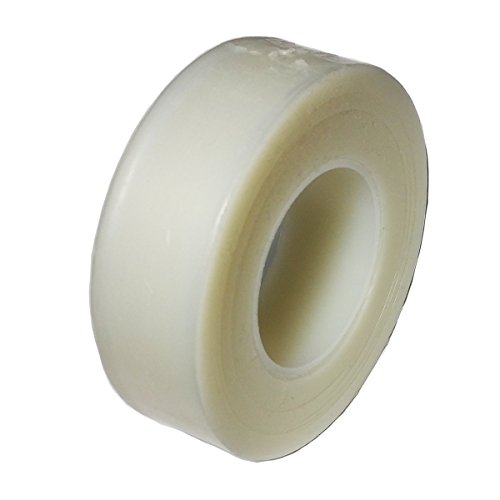
Item Package Height: 1.1 Inches

Used for budding and grafting plants, quick healing for cambium contact, effectively increase the survival rate of seedlings;

1 roll; size 1/2" (half inch) wide and 1080" (1080 Inches) long
Cleft Grafting
Cleft grafting is effective for joining a smaller scion to a larger rootstock. This method works well for varieties like apple and pear. Here’s how to do it:
- Prepare the Rootstock: Cut the rootstock straight across, creating a flat surface. Use a sharp knife for a clean cut.
- Make a Cleft: Slice down the center of the cut rootstock about 2-3 inches long to create a cleft.
- Cut the Scion: Trim the base of the scion into a wedge shape. This allows it to fit snugly into the cleft.
- Insert the Scion: Place the scion into the cleft, ensuring that the cambium layers touch.
- Secure the Union: Wrap grafting tape or parafilm around the graft union to hold everything in place and protect it from drying out.
Cleft grafting works best in early spring after the tree starts to leaf out. Choose healthy scions that are at least pencil-thick for optimal results.
Whip and Tongue Grafting
Whip and tongue grafting is suitable for joining scions and rootstocks of similar diameter, enhancing the chances of successful bonding. This method is often used for apple and stone fruit trees. Follow these steps:
- Prepare the Scion and Rootstock: Cut the top of the rootstock at an angle, creating a surface that’s about 1-2 inches long. Do the same for the scion.
- Make the Tongue Cut: On both the scion and rootstock, make a small vertical cut down the center of each angled surface, about half the depth. This creates the “tongue.”
- Join the Components: Fit the scion and rootstock together so the tongues interlock. Ensure that the cambium layers touch each other.
- Secure the Graft: Wrap the graft union with grafting tape, ensuring that it holds everything securely and prevents exposure to air and moisture.
Whip and tongue grafting is ideal in mid-spring when the sap flow is strong. Choose healthy, compatible varieties to improve success rates.
Both methods require patience and attention to detail, but mastering these techniques significantly enhances your fruit tree grafting success.
Conclusion
Grafting fruit trees can be a rewarding adventure for any gardener. By choosing compatible varieties and mastering the right techniques you can create a unique garden filled with diverse fruits. Whether you’re combining apples with crabapples or experimenting with different pear types the possibilities are endless.
With the right tools and a little patience you’ll not only maximize your garden space but also enjoy the benefits of increased yields and healthier trees. So why not give grafting a try? You might just discover a new favorite fruit or two growing right in your backyard. Happy gardening!
Frequently Asked Questions
What is grafting fruit trees?
Grafting is a horticultural technique that involves joining two different plants to create a single tree. The upper part, called the scion, provides desired fruit traits, while the lower part, known as the rootstock, offers stability and support.
Why should I graft fruit trees?
Grafting maximizes garden space by allowing you to grow multiple fruit types on a single tree. It can also enhance yield, disease resistance, and fruit flavor, creating a more productive and diverse garden.
When is the best time to graft fruit trees?
The ideal time for grafting is in the spring when trees are actively growing. This timing helps ensure that the scion and rootstock bond effectively, increasing the chances of a successful graft.
What are common grafting methods?
Common grafting methods include T-Budding, Cleft Grafting, and Whip and Tongue Grafting. Each technique is suited for different scenarios, such as the size of the scion or compatibility with the rootstock.
How do I choose compatible fruit varieties for grafting?
Choose varieties that share genetic similarities, as these are more likely to succeed in grafting. For example, apples and crabapples, or European and Asian pears, typically graft well together.
What tools do I need for grafting?
Essential tools for grafting include a sharp knife for clean cuts, grafting tape to secure the graft union, and pruning shears for trimming branches. Using the right tools is crucial for successful grafting.
How do I care for grafted trees after planting?
After grafting, ensure proper watering, protect from harsh weather, and monitor for pests or diseases. Good aftercare is essential for the graft’s success and the overall health of the tree.
What benefits can I expect from grafted trees?
Grafted fruit trees often yield higher production, with reports of a 20-30% increase in yield. Additionally, choosing disease-resistant rootstocks can improve the tree’s long-term health and resilience.
Can grafting improve the taste of fruit?
Yes, grafting can enhance fruit flavor by allowing you to combine different varieties. By selecting high-quality scions, gardeners can create trees that produce more flavorful and diverse fruits.
Which trees are best for grafting?
Popular trees for grafting include apple, pear, peach, plum, cherry, and apricot. These varieties often have compatible rootstocks and can produce diverse fruit combinations when grafted correctly.
