

Have you ever wondered how close you can plant fruit trees without crowding them? It’s a common question for those looking to create a fruitful garden. You might be excited about maximizing your space but worried about whether your trees will thrive or compete for nutrients.
Understanding the right spacing can make all the difference in your garden’s success. This article will guide you through the best practices for planting fruit trees, ensuring they have enough room to grow while still fitting into your landscape. With the right tips, you’ll be well on your way to enjoying a bountiful harvest in no time.
Key Takeaways
- Proper Spacing is Essential: Ensure adequate spacing between fruit trees to promote healthy growth, optimal sunlight exposure, and nutrient access.
- Tree Size Matters: Dwarf fruit trees require 6 to 8 feet of space, while standard-sized trees need 15 to 20 feet, with larger varieties needing even more room.
- Influencing Factors: Consider soil type, local climate, and microclimates when determining spacing to maximize tree health and yield.
- Disease Prevention: Overcrowding increases the risk of diseases due to poor air circulation; adequate spacing helps maintain airflow and reduces humidity levels around trees.
- Cross-Pollination Needs: Factor in the pollination requirements of different fruit tree varieties to ensure they are spaced appropriately for successful fruit production.
Understanding Spacing Requirements
Spacing plays a crucial role in the health and productivity of fruit trees. Proper distances ensure trees receive ample sunlight, air circulation, and nutrients, leading to better growth and fruit yield.
Importance of Proper Spacing
Proper spacing prevents overcrowding, which can lead to competition for resources. For instance, when trees are too close, their roots may overlap, causing stress and reduced growth. When planted appropriately, trees can develop a healthy canopy and root system, maximizing the amount of fruit produced.
- Tree Types: Dwarf fruit trees usually require less spacing, around 6 to 8 feet apart. Standard-sized trees need 15 to 20 feet of space.
- Increased Yield: Trees with proper spacing often yield larger and healthier fruits.
Factors Influencing Spacing
Several factors influence how closely you can plant fruit trees. Consider the following elements when determining spacing:
- Tree Size: Large trees like apple and pear need more room than smaller varieties such as figs or cherries.
- Soil Type: Fertile, well-draining soil allows for closer planting because the trees can access nutrients more efficiently.
- Microclimate: Areas with higher humidity may need additional spacing to improve airflow and reduce disease.
- Cross-Pollination: If you’re planting varieties that require cross-pollination, ensure enough spacing to facilitate pollinator access.
Use these guidelines to establish the right distance for your fruit trees, enhancing their growth and productivity.
Common Fruit Trees and Their Spacing Needs
Understanding the spacing needs of fruit trees helps you ensure healthy growth and optimal fruit production. Here are specific guidelines for common fruit trees:
Recommended Products

Product Quantity: 180+ premium bonsai fruit seeds across 5 varieties; Individual packs contain 40+ apple, 40+ lemon, 40+ orange, 20+ blueberry, and 40+ cherry seeds; Perfect for starting a diverse miniature orchard

4 kinds of the most popular fruits, individually packaged, 50pcs Lemon seeds 50pcs Cherry seeds 50pcs Orange seeds 50pcs Apple seeds Fresh seeds, all fruit seeds are packed in tear and moisture resistant zipper sealed bags for your long term storage.
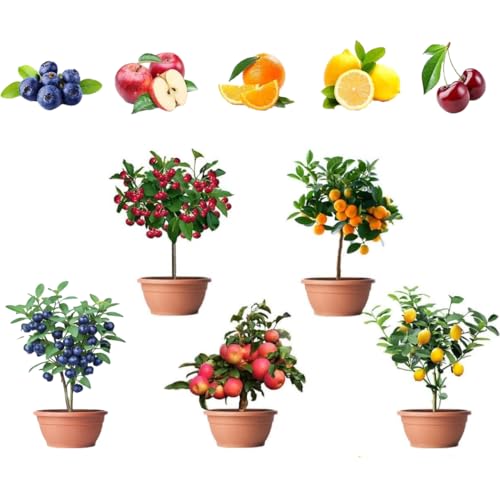
Variety Pack of 5 Fruits: Includes 40 Lemon seeds, 40 Orange seeds, 40 Apple seeds, 20 Cherry seeds, and 20 Blueberry seeds for a colorful and diverse home garden
Apples
Plant standard apple trees 15 to 20 feet apart to prevent overcrowding. Dwarf varieties require 6 to 8 feet of space. This distance allows light and air to reach the branches, reducing disease risk. Consider cross-pollination when choosing apple varieties, as certain types need compatible pairs nearby for better fruit set.
Pears
Space standard pear trees 15 to 20 feet apart, similar to apples. For dwarf varieties, maintain a 6 to 8-foot distance. Pear trees thrive in well-drained soil and benefit from receiving ample sunlight. If planting multiple varieties, ensure they’re compatible for pollination to enhance production.
Cherries
For sweet cherry trees, plan for a distance of 20 to 25 feet between each tree. Tart cherries can be spaced 15 to 20 feet apart. These trees require good air circulation to prevent disease. Adding compatible varieties nearby can help with pollination and improve fruit yield.
Citrus Trees
Citrus trees need ample space to spread. Standard citrus varieties should be planted 12 to 25 feet apart, depending on the species. Dwarf citrus trees can be placed 8 to 10 feet apart. Ensure these trees receive full sun and well-draining soil to thrive. If growing different citrus types, consider their pollination requirements for better fruit quality.
Consequences of Planting Fruit Trees Too Close
Planting fruit trees too close can negatively impact their health and productivity. Understanding these consequences helps you make better spacing decisions.
Reduced Growth and Yield
Reduced growth and poor yield often occur when fruit trees crowd each other. Competition for sunlight, water, and nutrients stunts overall development. Trees placed less than recommended distances can become thin and spindly as they stretch toward the light. For example, standard apple trees may yield 40% less fruit when planted just 10 feet apart instead of the ideal 15 to 20 feet. Optimizing space maximizes tree potential, leading to fuller canopies and increased harvests.
Increased Disease Risk
Increased disease risk is another consequence of overcrowding. Poor air circulation among tightly spaced trees creates a damp environment, ideal for fungal infections. For instance, apple trees crowded together often experience powdery mildew, which can quickly spread. The higher humidity levels caused by close proximity also exacerbate pest infestations. Ensuring adequate spacing helps maintain airflow and reduces the likelihood of diseases, keeping your trees healthy and productive.
Tips for Proper Planting Distances
Proper planting distances ensure your fruit trees thrive, leading to healthier plants and a more bountiful harvest. Factors like local climate and soil type significantly influence spacing decisions.
Recommended Products

★ 1. What you get: Professional convenient grafting tool set including a dual-use grafting pruner tool contain 2 extra replaceable blades, a wrench and a screwdriver, along with 36pcs wide rubber bands, 150 thick rubber bands and 1 grafting tape, packed in a black wallet to meet all your needs

Durable & Long-Lasting: Crafted from high-quality materials, these fruit tree branch pullers to withstand the rigors of outdoor use season after season. Resistant to rust, weathering, and wear, they provide consistent performance, becoming your go-to tools for maintaining your orchard year after year.

6-Piece Grafting Tool Set: Includes one SK5 steel grafting cutter, one 2CR13 steel grafting knife, three rolls of tape (1 white, 2 green), and one twist tie for complete propagation
Local Climate Considerations
Local climate plays a key role in determining planting distances. Trees in warmer areas often grow faster and need more room to spread their branches. For example, in regions with hot summers, consider spacing standard apple trees 20 feet apart instead of 15 feet. Cold climates may allow closer spacing due to slower growth rates, but consider annual snowfall and wind exposure. Trees, like peach and apricot, may require even greater distances in damp climates to prevent fungal issues.
Soil Type and Quality
Soil type and quality influence tree growth and health. Well-drained, loamy soil supports deeper root systems, allowing trees to grow larger and need more space. For sandy soils, spacing can be around 15 feet for standard apple trees and 10 feet for dwarf varieties. Clay soils retain moisture, which may lead to overcrowding concerns; thus, you might opt for a distance of 20 feet for standard trees to prevent root rot. Always assess soil drainage and quality before finalizing planting distances.
Conclusion
Finding the right spacing for your fruit trees is key to a thriving garden. By giving each tree enough room to grow you’re setting the stage for better health and higher yields. Remember to consider the specific needs of different tree types and the unique conditions of your garden.
With a little planning and attention to spacing you can enjoy a bountiful harvest for years to come. So go ahead and create that fruitful oasis you’ve always dreamed of while keeping your trees happy and productive. Happy planting!
Frequently Asked Questions
What is the ideal spacing for planting fruit trees?
Proper spacing is crucial for fruit trees’ health. Dwarf trees should be planted 6 to 8 feet apart, while standard trees need 15 to 20 feet. This spacing ensures they receive adequate sunlight, air circulation, and nutrients.
What happens if fruit trees are planted too closely?
Overcrowding can lead to competition for resources, resulting in reduced growth, poor fruit yield, and increased disease risk. Trees may become spindly, yielding up to 40% less fruit if planted too close.
How does soil type affect fruit tree spacing?
Well-drained soil promotes deeper root systems, allowing trees to thrive. Sandy and clay soils might require adjustments in spacing to prevent overcrowding and root rot, affecting growth and production.
Can local climate influence the spacing of fruit trees?
Yes, local climate affects how trees spread. In warmer areas, trees may need more space for their branches. In colder climates, closer spacing may be acceptable due to slower growth rates.
What are good practices for selecting compatible fruit tree varieties?
Choosing compatible varieties is essential for successful cross-pollination. Always research specific varieties’ pollination needs and ensure they thrive together in your garden’s microclimate.
