

Have you ever dreamed of picking fresh fruit right from your backyard? Growing your own fruit trees can be a rewarding experience, but it can also feel overwhelming if you’re not sure where to start. With so many options out there, you might wonder which trees are the easiest to care for and will thrive in your garden.
Key Takeaways
- Select Easy-to-Grow Varieties: Apple, pear, fig, and cherry trees are among the easiest fruit trees to grow, adapting well to various climates and requiring minimal maintenance.
- Understand Ideal Growing Conditions: Ensure your fruit trees receive 6-8 hours of sunlight, are planted in well-drained soil, and are watered deeply once a week.
- Prioritize Pruning and Maintenance: Regular pruning promotes healthy growth and increases fruit production. Prune in late winter or early spring, and use a balanced fertilizer for optimal growth.
- Be Aware of Common Challenges: Monitor for pests such as aphids and spider mites, and be proactive about diseases like fungal issues exacerbated by humidity.
- Harvest with Care: Check fruit for ripeness through color and firmness, and use scissors or shears to avoid damaging the branches during harvest.
- Research Local Conditions: Know your USDA Plant Hardiness Zone and choose fruit trees that thrive in your specific climate and soil type for the best results.
Overview Of Growing Fruit Trees
Growing fruit trees offers a rewarding experience, especially with the right varieties. Focus on trees that thrive in your climate and require minimal maintenance. Here are some key points to consider.
Ideal Conditions
- Sunlight: Most fruit trees need six to eight hours of sunlight daily. Position your trees in a sunny spot for the best results.
- Soil Quality: Well-drained, nutrient-rich soil promotes healthy growth. Test your soil’s pH and amend it if necessary.
- Watering: Deep watering encourages strong root systems. Water trees deeply once a week, adjusting for rainfall.
Easy-to-Grow Varieties
Consider these fruit tree options, known for their ease of care:
- Apple Trees: Hardy and versatile, apple trees adapt well to various climates. Choose disease-resistant varieties for better yields.
- Pear Trees: Pear trees are low-maintenance and produce sweet fruit. They thrive in well-drained soil and full sun.
- Fig Trees: Fig trees require minimal watering and tolerate drought. Their unique flavor enhances many dishes.
- Cherry Trees: Sweet cherry trees are straightforward to grow. They flourish in sunny locations and need regular pruning.
Pruning and Maintenance
Regular pruning promotes healthy growth and increases fruit production. Follow these simple guidelines:
- Timing: Prune in late winter or early spring before new growth begins.
- Techniques: Remove dead or crowding branches. Shape the tree to allow sunlight and air to reach inner branches.
- Fertilizing: Use a balanced fertilizer to encourage growth. Apply according to package instructions.
Common Challenges
Be aware of some challenges when growing fruit trees:
- Pests: Monitor for common pests like aphids and spider mites. Use organic pesticides or hand-pick them when possible.
- Diseases: Fungal issues may arise, especially in humid conditions. Apply fungicide as needed and ensure proper air circulation.
- Weather Extremes: Protect trees from frost by covering them with blankets or burlap when necessary.
Harvesting Tips
Harvesting your fruit at the right time ensures the best flavor. Observe the following:
- Ripeness: Check for color and firmness to determine ripeness. Use simple taste tests for the ultimate check.
- Technique: Use scissors or shears for clean cuts. This prevents damage to the branches and allows for regrowth.
By following these guidelines, you can cultivate a successful fruit tree garden that provides fresh produce for years to come.
Factors To Consider When Choosing Fruit Trees
Choosing the right fruit trees for your garden involves careful consideration. Key factors include climate, location, and soil type.
Recommended Products

Accurate Soil pH Testing: Dewildetradingco Soil pH Test Strips offer measurements of soil pH levels (pH 3.5-9). As an essential tool for every gardener and grower, these test strips help determine the optimal pH for various plants, such as outdoor plants, indoor plants, gardens, grass lawns, fruit trees, flowers, vegetables, and forest shrubs.

Kindly NOTE: This soil tester can not be applied to test pH value of any other liquid. If the soil is too dry the indicator will not move, and water it before testing.

✅ 1Dial & 1 LCD Screen - Replace/install all 3 batteries each time. Put button to %RH/°F to - Turn On, and put to LIGHT to - Turn Off. Read the LCD results in 3-5 mins. (Not Water Moisture Meter, so, please don't test liquid)
Climate and Location
Climate significantly affects fruit tree growth. Most trees prefer specific temperature ranges, so it’s vital to know your USDA Plant Hardiness Zone. Fruit trees thrive in areas with adequate sunlight, typically needing 6-8 hours daily. Consider wind protection; strong winds can damage young trees. Research local conditions to identify varieties that flourish in your area, like the apple tree in cooler climates or the fig tree in warmer regions.
Soil Type
Soil quality influences fruit tree health. Ensure your garden soil drains well; poor drainage can lead to root rot. Test your soil’s pH; most fruit trees prefer a slightly acidic to neutral range (pH 6.0-7.0). Amend your soil with organic matter, such as compost, to improve structure and nutrient content. For example, sandy loam supports good drainage while retaining moisture, making it ideal for many fruit trees.
Top Easiest Fruit Trees To Grow
Growing fruit trees can be simple and rewarding. Here’s a look at some of the easiest varieties for your garden.
Recommended Products

Package: 5 Individual Packs, 40+ Lemon Tree Seeds 40+ Cherry Tree Seeds 40+ Orange Tree Seeds 40+ Apple Seeds 20+ Blueberry Seeds

4 FRUIT VARIETIES – 100 SEEDS TOTAL: Includes 30 Apple Seeds, 30 Lemon Seeds, 30 Cherry Seeds, and 10 Banana Seeds, individually separated by variety for an exciting fruit-growing collection.

Product Quantity: 180+ premium bonsai fruit seeds across 5 varieties; Individual packs contain 40+ apple, 40+ lemon, 40+ orange, 20+ blueberry, and 40+ cherry seeds; Perfect for starting a diverse miniature orchard
Apple Trees
Apple trees thrive in various climates and soil types. Choose disease-resistant varieties like Fuji or Gala for a fruitful harvest. Plant apple trees in full sun (6-8 hours) and ensure good drainage. Regular pruning helps promote air circulation and fruit development. Water consistently, especially during dry spells, and mulch to retain moisture. Expect apples to start producing in about 3-5 years.
Cherry Trees
Cherry trees are another great choice, offering beautiful blooms and delicious fruit. Sweet varieties, like Bing, grow well in well-drained, sandy loam soils. Plant them in full sun for optimal fruiting. Water during dry periods and provide support for branches if the tree becomes heavy with fruit. Expect a harvest in 3-5 years. Cherry trees also attract pollinators, enhancing your garden’s ecosystem.
Peach Trees
Peach trees are known for their quick growth and high yield. Select varieties like Elberta or Redhaven that adapt easily to various climates. These trees prefer loamy, well-drained soil and full sun exposure. Regular watering and light pruning during dormancy maintain tree health. Fruit typically appears within 3-4 years. Watch out for pests like peach borers and use organic pest control options when needed.
Fig Trees
Fig trees are low-maintenance and produce sweet fruits. Varieties like Brown Turkey or Kadota grow well in USDA zones 7-10. Plant in well-drained soil and a sunny location. Fig trees tolerate drought but benefit from regular watering during dry spells. Prune lightly to maintain size and shape. Figs often begin to bear fruit in 2-3 years, providing a steady supply of fresh snacks right from the garden.
Maintenance Tips For Successful Growth
Growing fruit trees requires attention and care. With the right practices, you can ensure your trees thrive and produce delicious fruit.
Recommended Products
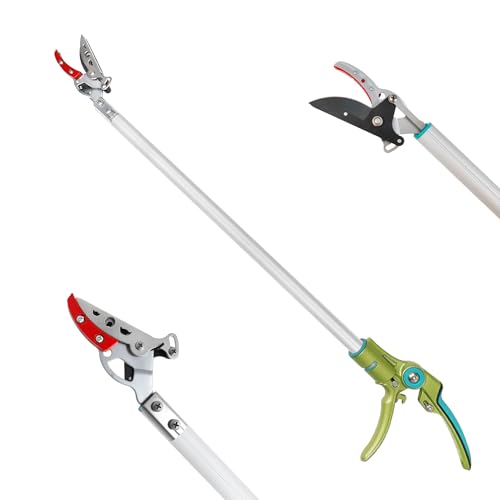
[REACH HIGH & STAY SAFE](No Ladder Required) Say goodbye to wobbly ladders! This 32inch long reach pole pruner offers an extra 30 inches of safe reach, allowing you to prune high branches or tall fruit trees while standing firmly on the ground. It’s the perfect extension tool for maintaining your backyard without the risk of falling.

SUPER LIGHTWEIGHT CUT AND HOLD PRUNERS SET: Our Long Reach Pruner weighs 0.79lbs, appropriate length 32 inch is suitable for relaxed cutting. When you deal with twiggy young tree branches, leaves, fruit spur or fence, one hand is enough. There has a minor hand pruner in this set can solve your lower pruning, a bonus garden glove can protect your hand.
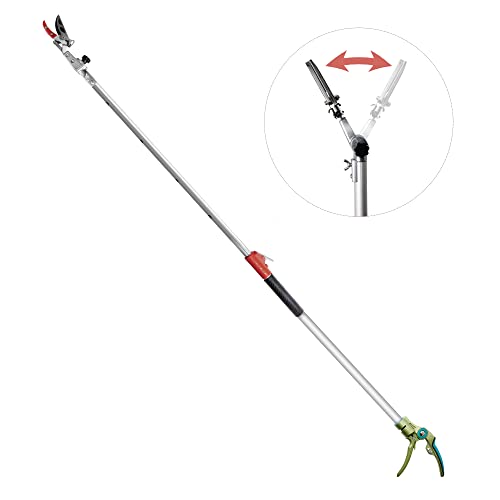
[Helpful Garden Tool] GARTOL brings to you a lightweight and extendable pruning tool to reach out to the least approachable arenas of your garden. You can conveniently get across other plants to remove the fastgrowing brambles and sting nettles without getting scratched or hurt. For gardening lovers, the telescopic pruner cutter head can can be rotated which resolves mobility issues and gives you the pleasure of trimming your garden without bending down or using a ladder to climb and cut them.
Watering and Fertilizing
Water fruit trees regularly, especially during dry spells. Young trees typically need about an inch of water per week. When you water, soak the ground to reach the root zone.
Fertilizing helps promote healthy growth. Use a balanced fertilizer in early spring when trees start to bud. Apply fertilizer again in mid-summer for best results. Follow the product’s instructions for the correct amounts. Organic options, like compost, improve soil health and provide essential nutrients.
Pruning Techniques
Pruning is essential for maintaining tree health and shape. Start with light pruning in the first few years to encourage strong structure. For most trees, remove dead or diseased branches and any that cross each other. Aim for an open center, allowing sunlight and air to reach all parts of the tree.
For established trees, prune in late winter before new growth starts. This timing encourages vigorous growth in spring. Use clean, sharp pruners to avoid infections. Remove about 20-30% of the canopy each year to keep your tree healthy and productive.
By following these maintenance tips, you can cultivate fruits that not only grow in your garden but also thrive in it.
Conclusion
Growing fruit trees can be a delightful journey that brings fresh produce right to your backyard. By choosing easy-to-grow varieties like apple and fig trees you’re setting yourself up for success. Remember to consider your local climate and soil conditions to ensure your trees thrive.
With a little care and attention you’ll enjoy the fruits of your labor in no time. So grab your gardening tools and get ready to nurture your very own orchard. There’s nothing quite like the taste of homegrown fruit. Happy gardening!
Frequently Asked Questions
What are the best fruit trees for beginners?
The best fruit trees for beginners include apple, pear, fig, and cherry trees. These varieties are known for their resilience and relatively low maintenance requirements, making them ideal for new gardeners. Choose disease-resistant options and follow proper care guidelines to ensure a fruitful experience.
How much sunlight do fruit trees need?
Most fruit trees require 6 to 8 hours of direct sunlight daily to thrive. When planting, select a location that receives ample sun, as this helps with healthy growth and fruit production.
What type of soil is best for fruit trees?
Well-drained soil is crucial for fruit tree health. Testing the pH levels is recommended, as most fruit trees prefer a slightly acidic to neutral pH (6.0 to 7.0). Adding compost can improve soil quality and nutrient content.
How often should I water my fruit trees?
Water fruit trees regularly, especially during dry spells. A general rule is to water deeply once a week, ensuring the soil is moist but not soggy. Adjust frequency based on rainfall and soil type.
When is the best time to prune fruit trees?
The best time to prune fruit trees is in late winter when the trees are dormant. Light pruning should be done in early years to develop structure, while more significant pruning can occur for established trees to promote healthy growth.
How can I protect my fruit trees from pests?
To protect your fruit trees from pests, regularly inspect your trees and use organic pest control methods when necessary. Encourage beneficial insects, like ladybugs, and consider using physical barriers like insect netting for additional protection.
What should I consider before planting fruit trees?
Before planting fruit trees, consider your local climate, soil type, and the specific needs of the tree variety. Ensure you have adequate space, sunlight, and protection from harsh winds to foster a healthy environment for growth.
