

Have you ever looked at your fruit trees and wondered where to start with pruning? It can be a bit overwhelming, especially when you want to ensure healthy growth and a bountiful harvest. You’re not alone; many gardeners face this challenge every season.
Key Takeaways
- Understanding Pruning Basics: Pruning is essential for promoting healthy growth and maximizing fruit production in fruit trees.
- Timing Matters: The best time to prune varies by fruit tree type; generally, late winter and early spring are optimal for apples and pears, while summer is ideal for stone fruits.
- Pruning Techniques: Each type of fruit tree requires specific pruning strategies to enhance health and yield—such as shaping the central leader for apple trees and maintaining a vase shape for cherry trees.
- Essential Tools: Using the right tools, like pruning shears, loppers, and pruning saws, is crucial for effective and safe pruning.
- Common Mistakes to Avoid: Avoid excessive pruning, improper timing, and leaving stubs; instead, focus on creating an open canopy and regular maintenance for best results.
- Regular Maintenance: Consistently inspecting and lightly pruning your fruit trees promotes healthier growth and greater fruit quality.
Understanding Pruning Basics
Pruning is essential for maintaining fruit trees. It promotes healthy growth and maximizes fruit production. Understanding pruning basics equips you with knowledge to foster vibrant trees.
Importance of Pruning
Pruning shapes the tree’s structure and improves airflow and sunlight penetration. It helps remove dead, damaged, or diseased branches, enhancing overall vitality. Proper pruning directs energy toward fruitful growth and increases the tree’s resistance to pests and diseases.
Benefits for Fruit Trees
Pruning offers several significant benefits for fruit trees:
- Increased Yield: Pruning encourages more flowering and fruiting, leading to higher harvests.
- Improved Quality: Pruning supports larger and healthier fruits by concentrating resources.
- Better Airflow: Thinning branches reduces overcrowding, allowing for better circulation and sunlight.
- Easier Maintenance: A well-pruned tree is simpler to spray and harvest, saving time and effort.
- Enhanced Lifespan: Regular pruning promotes longevity by mitigating the risk of diseases and decay.
Investing time in understanding pruning basics ensures you enjoy healthier, more productive fruit trees.
Best Times to Prune Fruit Trees
Pruning at the right time ensures healthy growth and better fruit production. Timing creates a significant impact on the effectiveness of your pruning efforts.
Recommended Products

Unbreakable sharpness! Japanese SK5 steel blade with titanium coating endures 100,000 cuts. Built for lifelong clean cuts
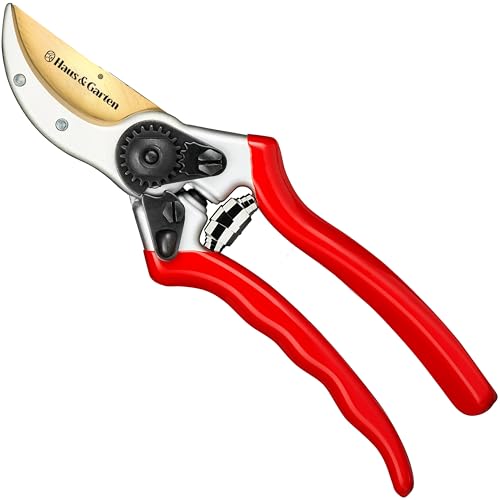
Sharp, Clean Cuts Every Time – Engineered from Japanese grade, high-carbon steel, ClassicPRO bypass pruning shears for gardening stay sharp and make precise cuts that encourage healthy growth and won’t damage your plants

What Makes VT-C800 Unique? Jam-Proof Sealed Spring | Ever-Sharp Dual-Coated SK5 Blades | Easy Thumb Lock | Backed by Lifetime Support
Seasonal Considerations
Prune fruit trees during the dormant season, typically late winter to early spring. You’ll promote optimal healing and growth when the trees are less active. If you prune too early in the winter, trees can suffer from frost damage. If you prune too late in spring, you risk removing buds that would produce fruit. Consider specific varieties; for example, apple and pear trees benefit from pruning in late winter, while stone fruit trees, like cherries and peaches, prefer summer pruning to reduce disease risk and encourage strong new growth.
| Season | Best Pruning Time | Tree Types |
|---|---|---|
| Late Winter | Prior to bud break | Apple, Pear |
| Early Spring | Just before flowering | Stone Fruits |
| Summer | Post-harvest to maintain shape | Cherries, Peaches |
Age and Growth Stage
The age and growth stage of your trees will affect pruning timing and technique. Young trees require formative pruning during their first few years. This process involves shaping the tree and developing a strong structure. You’ll prune primarily to remove competing leaders and enhance airflow.
Mature trees, however, need maintenance pruning to ensure health and productivity. Perform this type of pruning when you notice overcrowded branches or signs of disease. Regularly check for dead or damaged branches, pruning them out whenever you see them, regardless of the season. Older trees may benefit from rejuvenation pruning, typically performed in late winter.
| Tree Age | Pruning Focus | Timing |
|---|---|---|
| Young Trees | Shape and structure | Early Spring |
| Mature Trees | Maintenance and disease removal | Late Winter/Summer |
| Older Trees | Rejuvenation | Late Winter |
Where to Prune Different Types of Fruit Trees
Pruning techniques vary among different types of fruit trees. Understanding where to prune can enhance tree health and fruit production.
Recommended Products
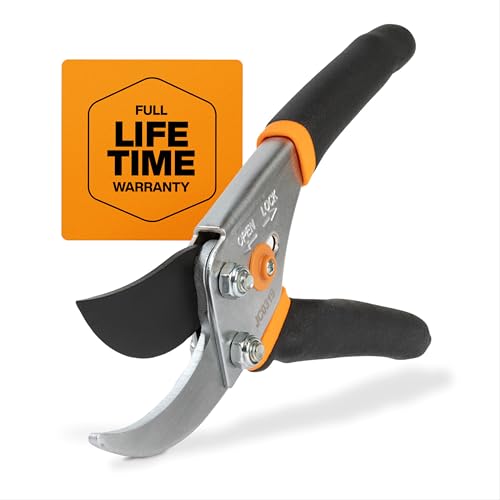
CLEAN CUTS FOR LIVE GROWTH: Bypass blade design is ideal for pruning delicate flower stems and green growth, helping reduce crushing and plant damage while cutting stems and small branches up to 5/8” in diameter

DUAL CUTTING POWER: VERSATILE PRUNING COMBO --- With both Pruning Shears and Pruning Snip, this combo delivers unmatched versatility. Whether you're delicately trimming flowers and shrubs, tackling thicker tree branches, or tending to your vegetable and fruit garden, our combo pack excels in all areas. They're also perfect for landscaping projects and maintaining the health and appearance of indoor plants. With this pack, you have a versatile tool that simplifies your gardening tasks.

IDEAL BRANCH TRIMMER: 28" Steel blade garden bypass lopper that glides through up to 1.5" thick branches for easy cuts; Works well for trimming tree branches to maintain your yard and garden, and to encourage overall plant health and appearance
Pruning Apple Trees
Prune apple trees by focusing on shaping the central leader. Cut back any branches that compete with the main trunk. Aim for an open center to allow sunlight penetration. Remove any dead or crossing branches. This practice not only improves airflow but reduces disease risk, leading to better fruit yield.
Pruning Cherry Trees
Prune cherry trees to maintain their vase shape. Focus on removing crowded branches, especially those growing inward. Thin out about 20-30% of the branches each year. This ensures each branch receives adequate sunlight and air, fostering healthy growth and fruiting. Do this during the summer months to minimize stress on the tree.
Pruning Peach Trees
Prune peach trees in a way that encourages an open canopy. Cut back branches to about one foot above the ground during dormancy. Remove about 40% of the previous year’s growth. This opens the tree for sunlight and air circulation. Target branches that are dead or damaged to promote robust health and improve fruit quality.
Tools Needed for Pruning
Pruning fruit trees requires specific tools to achieve the best results. Using the right equipment ensures efficient cutting and promotes healthy growth.
Essential Pruning Tools
- Pruning Shears: Use these for small branches and precise cuts. Look for bypass shears as they create cleaner cuts that heal faster.
- Loppers: Ideal for medium-sized branches, loppers offer longer handles for better leverage. Choose loppers with a cutting capacity of up to 2 inches in diameter.
- Pruning Saw: For larger branches, a pruning saw provides the strength needed for effective cutting. Opt for a curved blade for easier maneuverability.
- Hedge Shears: Useful for shaping bushes or hedges, hedge shears can help maintain aesthetics in your garden. Ensure they have sharp blades for a neat finish.
- Pole Pruner: This tool helps you reach high branches without needing a ladder. Select a pole pruner with a telescoping feature for adjustable length.
- Garden Knife: A garden knife aids in detailed work, such as removing suckers or opening up cuts. Keep it sharpened for better performance.
- Gloves: Protect your hands from cuts and sap. Choose gloves made from durable materials for the best protection.
- Safety Glasses: Prevent eye injuries from falling debris or sharp tools. Make sure your glasses fit securely to block out particles.
- Hearing Protection: If you’re using electric tools, wear ear protection to reduce noise levels. Look for lightweight options for comfort.
- Sturdy Footwear: Wear closed-toe shoes with good traction to prevent slips. Steel-toed boots can provide extra protection against heavy tools.
- Clothing: Dress in long sleeves and pants to shield your skin from branches and tools. Choose breathable fabrics for comfort while working.
Using these tools and safety measures ensures effective pruning while keeping you safe. Proper preparation enhances your pruning experience, contributing to healthier, more fruitful trees.
Tips for Effective Pruning
Effective pruning practices lead to healthier fruit trees. You can enhance tree vitality and fruit production with the right techniques.
Common Mistakes to Avoid
- Pruning Too Much: Remove no more than 25% of the tree at one time. Excessive pruning can stress the tree.
- Ignoring Tree Type: Understand the specific needs of each fruit tree. What works for apples may not apply to peaches.
- Pruning at the Wrong Time: Prune at the right time for each tree type. Late winter works for apples, while summer suits cherries.
- Leaving Stubs: Cut back branches cleanly to the collar. Stubs can invite disease.
- Using Dull Tools: Always use sharp tools. Dull blades can damage the tree and make recovery difficult.
- Shape the Tree: Focus on creating an open canopy. This increases sunlight penetration and airflow.
- Remove Dead or Diseased Branches: Cut these branches back to healthy tissue. This promotes overall tree health.
- Thin Crowded Areas: Space branches adequately. This helps prevent disease and encourages fruit production.
- Encourage New Growth: Make cuts above outward-facing buds. This directs growth in a desirable direction.
- Regular Maintenance: Perform light pruning annually. Regular attention helps maintain tree shape and health.
By avoiding common pitfalls and applying effective techniques, you’ll foster a thriving fruit tree environment that enhances your yield and fruit quality.
Conclusion
Pruning your fruit trees doesn’t have to be daunting. By understanding the basics and employing the right techniques you can transform your trees into healthy and productive plants. Remember to prune at the right times and use the appropriate tools to make the process smoother and more effective.
With a little patience and practice you’ll see the benefits reflected in your harvest. So grab those pruning shears and get started on creating a thriving fruit tree environment that yields delicious fruits for you and your family to enjoy. Happy pruning!
Frequently Asked Questions
What is the importance of pruning fruit trees?
Pruning fruit trees is crucial for maintaining their health and productivity. It helps shape the tree’s structure, improves airflow, allows sunlight penetration, and removes dead or diseased branches. Proper pruning enhances overall vitality, increases fruit yield and quality, and extends the tree’s lifespan.
When is the best time to prune fruit trees?
The best time to prune fruit trees is during their dormant season, typically late winter to early spring. This timing promotes optimal healing and growth. Apple and pear trees should be pruned in late winter, while stone fruit trees like cherries and peaches benefit from summer pruning.
What are the main pruning techniques for different fruit trees?
For apple trees, focus on shaping the central leader and removing competing branches. Cherry trees should be pruned to maintain a vase shape and address crowded branches. Peach trees require pruning for an open canopy, with significant cuts made during dormancy to improve fruit quality.
What tools are essential for effective pruning?
Key tools for effective pruning include pruning shears, loppers, pruning saws, and hedge shears. Additionally, safety gear like gloves, safety glasses, hearing protection, and sturdy footwear are vital. Using the right equipment ensures efficient cutting and promotes healthy growth.
What are common mistakes to avoid when pruning fruit trees?
Common mistakes include excessive pruning, which can stress the tree, and not understanding the specific needs of each type. Always prune at the right time, cut branches cleanly, use sharp tools, and avoid crowding to ensure healthy growth and enhance fruit quality.
