

Have you ever planted a pear tree and wondered when you’ll finally get to enjoy those juicy fruits? You’re not alone. Many gardeners feel the thrill of planting but also the impatience that comes with waiting for their trees to bear fruit.
Key Takeaways
- Fruit Production Timeline: Pear trees typically start producing fruit between 3 to 7 years after planting, with Asian varieties bearing fruit sooner than European ones.
- Impact of Age: The age of the tree directly affects fruit yield; mature trees produce larger quantities compared to younger ones.
- Ideal Growing Conditions: Successful fruit production relies on well-drained soil, full sunlight (at least 6 hours daily), and consistent watering.
- Variety Considerations: Different pear tree varieties have distinct characteristics and timelines for fruiting, with ornamental pears usually not yielding edible fruits.
- Pruning and Fertilization: Regular pruning and proper fertilization are essential for enhancing growth, fruit quality, and overall tree health.
- Environmental Factors: Soil quality, sunlight exposure, watering needs, and climate zone are crucial elements that impact the fruit production of pear trees.
Understanding Pear Trees
Pear trees are a delightful addition to any garden. They provide beautiful blossoms in spring and delicious fruit in late summer to early fall. Knowing the characteristics of these trees helps you grow them successfully.
Types of Pear Trees
You can choose from several types of pear trees, each with unique traits:
- European Pears: These trees thrive in cooler climates. Varieties include ‘Bartlett’ and ‘Bosc,’ known for their sweet flavor and buttery texture.
- Asian Pears: Often called ‘apple pears,’ these trees grow well in warmer regions. Varieties like ‘Shinsui’ and ‘Hosui’ offer crisp, juicy fruit.
- Ornamental Pears: Specifically grown for their beauty, varieties like ‘Bradford’ and ‘Chanticleer’ feature stunning spring blooms and vibrant fall foliage but produce inedible fruit.
When planting, consider your local climate and space. Each type needs specific conditions for optimal growth.
Growing Conditions
For healthy pear trees, you must provide the right environment:
- Soil: Pear trees prefer well-drained, loamy soil with a pH between 6.0 and 7.0. Testing the soil before planting helps you ensure it’s suitable.
- Sunlight: Select a location with full sunlight—at least six hours per day. This requirement aids in fruit production and tree health.
- Watering: Regular watering promotes growth, especially during the first few years. Soil should remain moist but not waterlogged.
- Fertilization: Annual fertilization helps support growth. Use a balanced fertilizer in early spring for optimal nutrient supply.
Incorporating these conditions lays the groundwork for a fruitful harvesting experience.
Factors Affecting Fruit Production
Several elements impact how quickly a pear tree produces fruit. Understanding these factors helps you make informed decisions for your garden.
Recommended Products
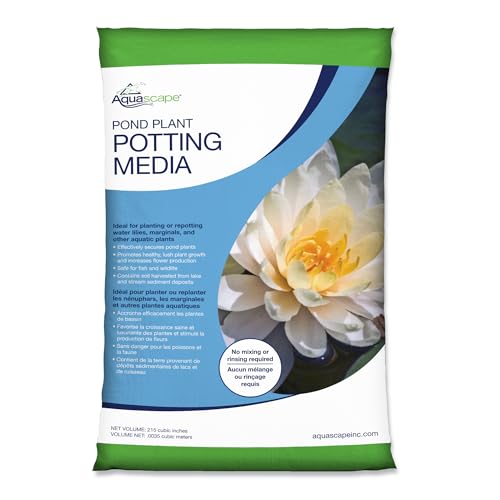
Specialized Aquatic Plant Soil – Formulated to promote healthy root establishment and robust growth for pond plants.

STARTING A TROPICAL GARDEN- Comprised of real horticultural grade ingredients such as shredded coir husk, pine bark, perlite, sand, and garden lime; no pelletized fertilizer

STARTING A TROPICAL GARDEN- Comprised of real horticultural grade ingredients such as shredded coir husk, pine bark, perlite, sand, and garden lime; no pelletized fertilizer
Age of the Tree
Age significantly influences fruit production in pear trees. Generally, a pear tree begins producing fruit between 3 to 7 years after planting, depending on the variety. Young trees may bear few to no fruits, while mature trees yield larger quantities. For example, European pear trees often produce fruit around 4 to 6 years, while Asian pear trees may do so within 3 to 5 years. Patience is essential as the tree develops before regular fruiting begins.
Environmental Factors
Environmental conditions play a crucial role in fruit production. Several key factors to consider include:
- Soil Quality: Fertile, well-drained soil promotes healthy growth. Heavy clay or compacted soils can hinder root development.
- Sunlight Exposure: Pear trees thrive with at least 6 to 8 hours of sunlight daily. Insufficient sunlight can lead to poor fruit set.
- Watering Needs: Consistent moisture is vital during the growing season. Too much or too little water affects fruit development.
- Climate Zone: Pear trees are suited for certain climate zones. You need to select varieties that adapt well to your local weather.
Understanding these factors enhances your ability to care for your pear tree, leading to a more fruitful harvest.
Timeline for Pear Tree Fruit Production
Understanding the timeline for pear tree fruit production helps set realistic expectations for your gardening journey. Here are the essential details regarding when you can expect to see fruit from your pear trees.
Recommended Products


ASIAN PEAR VARIETY: Pyrus Pyrifolia, also known as Oriental or Japanese Pear, produces sweet, crisp white-fleshed fruits with yellow skin, combining the best qualities of apples and pears.

Typical Timeframes
Most pear trees start to produce fruit between 3 to 7 years after planting. Depending on the variety, you might notice some differences. For instance, standard European pear trees, like ‘Bartlett’, typically yield fruit around age 4 to 6. Asian pears often start producing sooner, usually by year 3. When you plant a grafted tree, you may get fruit a year or two earlier compared to a seedling, making it a wise choice for quicker results.
Variability by Variety
Not all pear trees bear fruit at the same time. Here’s a list of common varieties and their typical production timelines:
- European Pears: Expect fruit in 4 to 6 years.
- Asian Pears: These often produce fruit by year 3.
- Ornamental Pears: Mainly grown for their beauty, they usually don’t produce edible fruits.
Certain factors can speed up or slow down the process. Environmental conditions, tree health, and care practices all impact fruit production. Keeping your pear tree in a sunny location with adequate water boosts growth and flowering, leading to faster fruit development.
Care and Maintenance for Fruit Production
Caring for your pear tree boosts its chances of producing a bountiful harvest. Paying attention to pruning and fertilization enhances growth and fruit quality.
Recommended Products

Let our professionally formulated plant food help your fruit tree grow healthy, strong AND abundantly producing
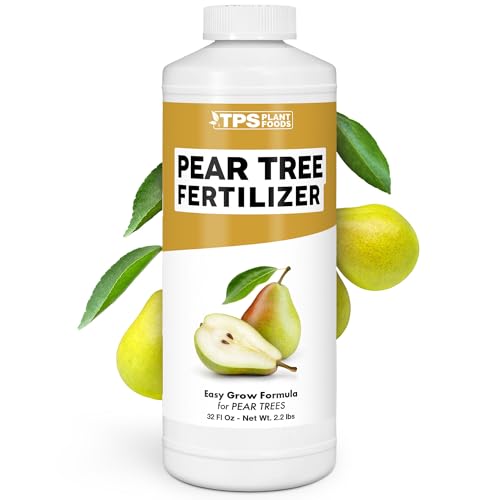
Supports Fruit Production & Growth – Helps promote consistent fruit development, healthy foliage, and overall tree performance.
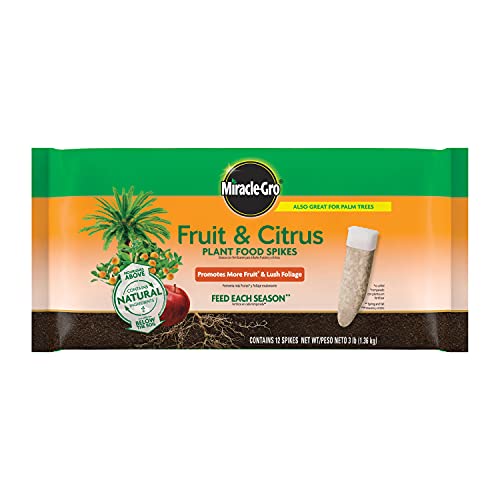
FORMULATED FOR CITRUS AND FRUIT TREES: Use these citrus fertilizer spikes on apple, orange, lemon, lime, and avocado trees; this formula is also great for feeding palm trees
Pruning Techniques
Pruning your pear tree remains essential for strong growth and fruit production. Start by pruning during late winter or early spring, before the tree awakens from dormancy. Remove any dead or crossing branches first. Focus on opening the center of the tree to allow sunlight and air circulation.
Cut back about one-third of the previous year’s growth for younger trees. For established trees, aim for a balanced shape, trimming excess growth and maintaining height. Consider using clean, sharp tools. Clean cuts reduce the risk of disease. Regular pruning not only encourages healthy fruiting but also extends the tree’s lifespan.
Fertilization Recommendations
Fertilizing your pear tree supports robust growth and fruit development. Begin with a soil test to check nutrient levels and pH. Ideally, pear trees thrive in slightly acidic to neutral soil (pH 6.0 to 7.0). Use a balanced fertilizer with equal parts nitrogen, phosphorus, and potassium, such as 10-10-10.
Apply fertilizer in early spring when the buds swell. Follow the package instructions for your specific tree size and age. For young trees, one cup per tree works well, while mature trees may need 2-4 cups. Also, consider supplementing with organic matter like compost.
Monitor your tree’s growth throughout the season. If leaf color appears yellow or growth seems stunted, additional fertilizer or adjustments may be necessary. Providing proper nutrients ensures your tree develops healthy fruit.
Conclusion
Waiting for your pear tree to bear fruit can be a test of patience but it’s definitely worth it. With the right care and conditions you can look forward to those delicious pears in just a few years. Remember to nurture your tree with proper watering sunlight and pruning to help it thrive.
Each season brings its own excitement as you watch your tree grow and develop. By staying informed about your specific pear variety and its needs you’ll be on the path to a fruitful harvest. So keep tending to your tree and enjoy the journey toward those sweet rewards.
Frequently Asked Questions
How long does it take for pear trees to produce fruit?
Pear trees typically start producing fruit between 3 to 7 years after planting, depending on the variety. For example, Asian pears may bear fruit by year 3, while standard European varieties like ‘Bartlett’ usually produce fruit around 4 to 6 years.
What are the best conditions for growing pear trees?
Pear trees thrive in well-drained soil with plenty of sunlight. They require regular watering, particularly during dry spells, and benefit from annual fertilization. Ensuring the right conditions boosts their health and enhances fruit production.
What types of pear trees are there?
There are three main types of pear trees: European pears, Asian pears, and ornamental pears. Each type has unique traits and specific growing conditions, making it essential to choose the right variety for your gardening goals.
How can I improve fruit production in my pear trees?
Improving fruit production involves proper care practices like regular watering, adequate sunlight, and annual fertilization. Additionally, pruning during late winter or early spring helps promote strong growth and better fruit quality.
Why are my young pear trees not producing fruit?
Young pear trees may not produce fruit for the first few years of their life. Factors such as the tree’s age, health, and environmental conditions can influence this. Expect minimal to no fruit until they reach maturity, typically between 3 to 7 years.
What is the role of pruning in growing pear trees?
Pruning pear trees is crucial for promoting strong growth and quality fruit. It’s best to prune during late winter or early spring, focusing on removing dead or crossing branches and maintaining a balanced shape for optimal development.
How often should I fertilize my pear trees?
Pear trees should typically be fertilized annually in early spring. Conducting a soil test beforehand can help you determine nutrient levels, allowing you to use a balanced fertilizer suitable for your tree’s specific needs.
