
Close Menu
    Fruit Tree Hub
    • Home
    • Apple Trees
    • Lemon Trees
    • Mango Trees
    • Orange Trees
    • More Trees
      • Best Fruit Trees
      • Apricot Trees
      • Cherry Trees
      • Fig Trees
      • Lime Trees
      • Mulberry Trees
      • Peach Trees
      • Pear Trees
      • Plum Trees
      • Pomegranate Trees
    • Tips and Advice
      • Tools
    • About Us
      • Contact
      • Privacy Policy
    Fruit Tree Hub
    Home»Fruit Trees»Persimmon Trees»Where to Plant Persimmon Trees for the Best Yield
    Persimmon Trees

    Where to Plant Persimmon Trees for the Best Yield

    Lucy SmithBy Lucy SmithFebruary 11, 20244 Mins Read
    Share Facebook Twitter Pinterest WhatsApp Email
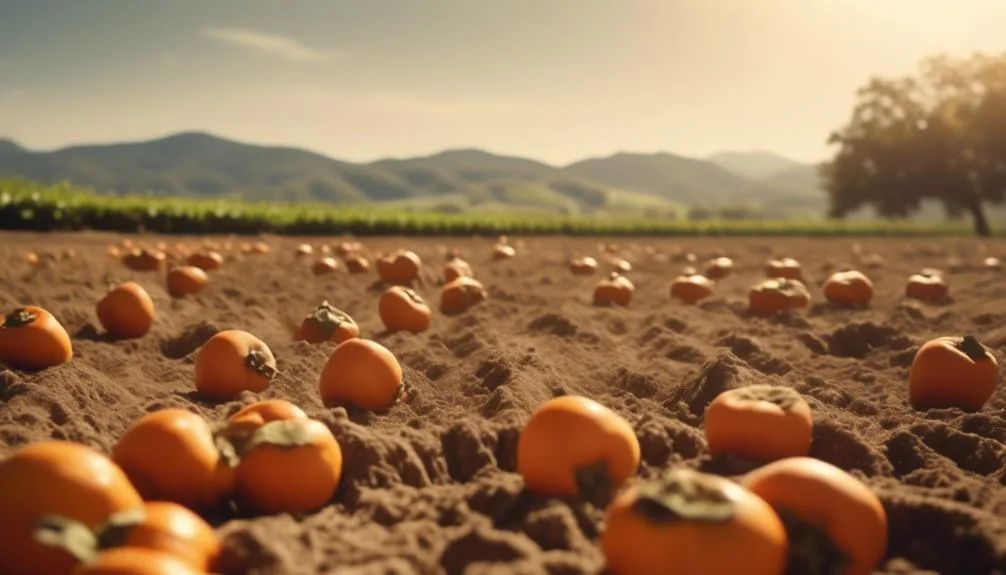
    optimal placement for persimmons
    Share
    Facebook Twitter LinkedIn Pinterest Telegram Email

    Planting persimmon trees for a great yield is all about finding the right spot. Just like puzzle pieces fit together, persimmon trees need specific conditions to thrive and produce lots of fruit.

    Contents show
    1 Key Takeaways
    2 Sunlight Requirements
    3 Soil Conditions
    4 Climate Considerations
    5 Spacing and Pollination
    6 Pest and Disease Management
    7 Conclusion

    So, where's the best place to plant them for juicy fruits and a big harvest? It's a balance between nature and care.

    You're about to discover the secrets to finding the perfect location for your persimmon trees, and the results might surprise you.

    Key Takeaways

    • Persimmon trees require at least 6-8 hours of direct sunlight daily for optimal fruit production and ripening.
    • It is important to plant persimmon trees in areas with well-draining soil and a slightly acidic to neutral pH level.
    • Persimmon trees thrive in regions with warm summers, mild winters, and moderate rainfall throughout the growing season.
    • Cross pollination between male and female trees or self-fertile cultivars is essential for fruit development and abundance.

    Sunlight Requirements

    To ensure the best yield from your persimmon trees, it's crucial to provide them with ample sunlight throughout the day. Persimmon trees thrive in full sun and require at least six to eight hours of direct sunlight to produce a bountiful harvest.

    When considering tree care, it's essential to select a planting location that receives plenty of sunlight, especially during the fruiting season. Without adequate sunlight, the trees may not produce as many fruits, and the fruits themselves may not ripen properly. To maximize fruit production, ensure that the trees aren't shaded by buildings or other taller trees.

    MUST READ
    How to Use Persimmon Trees in Landscape Design

    Soil Conditions

    Consider testing the soil pH and drainage in the chosen planting location to ensure optimal conditions for your persimmon trees. Persimmons thrive in well-draining soil with a slightly acidic to neutral pH level, ideally between 6.0 and 7.0.

    Prior to planting, amend the soil with organic matter such as compost to improve its texture and fertility. Regular fertilizer application during the growing season will also boost the tree's growth and fruit production. Use a balanced fertilizer with a higher potassium content to encourage flowering and fruiting.

    When it comes to watering, persimmon trees generally require consistent moisture, especially during the establishment phase. However, be cautious not to overwater, as excessive moisture can lead to root rot. Develop a watering schedule that provides enough moisture without causing waterlogged conditions.

    Recommended Products

    Rapitest Soil Test Kit for Gardens, Vegetables, Flowers and Lawns. USA designed and assembled soil tester completely, quickly and accurately measures/analyzes soil pH acidity and garden nutrients.
    Rapitest Soil Test Kit for Gardens, Vegetables, Flowers and Lawns. USA designed and assembled soil tester completely, quickly and accurately measures/analyzes soil pH acidity and garden nutrients.

    Quick, at home results for Soil pH, Nitrogen, Phosphorous and Potash Innovative and inexpensive soil test kit features an easy-to-use capsule system and patented color comparators

    VIEW LATEST PRICE

    As an affiliate, we earn on qualifying purchases.

    MySoil Soil Test Kit, Unlock Your Lawn & Garden Potential, Complete & Accurate Nutrient and pH Analysis with Recommendations Tailored to Your Soil and Plant Needs
    MySoil Soil Test Kit, Unlock Your Lawn & Garden Potential, Complete & Accurate Nutrient and pH Analysis with Recommendations Tailored to Your Soil and Plant Needs

    KNOW BEFORE YOU GROW | Grow the healthiest, sustainable lawn and garden with the most accurate and easy to use professional soil test kit on the market

    VIEW LATEST PRICE

    As an affiliate, we earn on qualifying purchases.

    MUST READ
    Can Persimmon Trees Be Grown Indoors
    Soil Test Kit – 100 Soil pH Test Strips (3.5–9 Range) for Garden, Lawn & Indoor Plants – Easy At-Home Soil Testing
    Soil Test Kit – 100 Soil pH Test Strips (3.5–9 Range) for Garden, Lawn & Indoor Plants – Easy At-Home Soil Testing

    Accurate Soil pH Testing: Dewildetradingco Soil pH Test Strips offer measurements of soil pH levels (pH 3.5-9). As an essential tool for every gardener and grower, these test strips help determine the optimal pH for various plants, such as outdoor plants, indoor plants, gardens, grass lawns, fruit trees, flowers, vegetables, and forest shrubs.

    VIEW LATEST PRICE

    As an affiliate, we earn on qualifying purchases.

    Climate Considerations

    After ensuring that your soil is well-draining and slightly acidic to neutral, the next crucial aspect to consider for planting persimmon trees is the climate conditions in your area. The success of your persimmon orchard hinges on the suitability of the climate.

    Here are the key climate considerations to ponder:

    • Temperature Range: Persimmon trees thrive in regions with warm summers and mild winters. They require a minimum of 100 to 200 chilling hours during winter to set fruit effectively.
    • Precipitation Levels: Persimmon trees prefer areas with moderate rainfall, approximately 30 to 50 inches annually, and well-distributed throughout the growing season.
    • Altitude and Humidity Levels: Consider planting persimmon trees in areas with lower altitudes and moderate humidity levels, as they flourish in such conditions.

    Understanding and addressing these climate factors will pave the way for a thriving persimmon orchard.

    Recommended Products

    Persimmon Fruit Tree Seeds for Planting, Perennial 30pcs Diospyros Seeds, Non GMO Persimmon Fruit Tree Seed for Home Garden Outdoor
    Persimmon Fruit Tree Seeds for Planting, Perennial 30pcs Diospyros Seeds, Non GMO Persimmon Fruit Tree Seed for Home Garden Outdoor

    30 Premium Persimmon Seeds: Start your own fruit orchard with our special collection of 30 persimmon seeds. Grow these beautiful deciduous trees that will produce sweet, orange-colored fruits perfect for fresh eating and cooking.

    MUST READ
    Why Do Persimmon Trees Have a Long Harvest Season
    VIEW LATEST PRICE

    As an affiliate, we earn on qualifying purchases.

    20 Persimmon Seeds - Non-GMO Drought-Tolerant Tree, Slow-Growing & Long-Lived, High Germination for Garden & Yard Decoration
    20 Persimmon Seeds - Non-GMO Drought-Tolerant Tree, Slow-Growing & Long-Lived, High Germination for Garden & Yard Decoration

    Natural Growth: Non-GMO persimmon seeds for growing your own organic fruit trees, offering a sustainable and natural gardening experience

    VIEW LATEST PRICE

    As an affiliate, we earn on qualifying purchases.

    Persimmon Fruit Trees | 3 Live Trees | Diospyros Kaki | Edible Fruit Tree for Home Gardens | Cold Hardy Plants with Sweet, Delicious Fruits
    Persimmon Fruit Trees | 3 Live Trees | Diospyros Kaki | Edible Fruit Tree for Home Gardens | Cold Hardy Plants with Sweet, Delicious Fruits

    Edible Fruit Tree: Produces sweet, flavorful persimmons that are perfect for fresh eating, drying, or incorporating into baked goods and other recipes.

    VIEW LATEST PRICE

    As an affiliate, we earn on qualifying purchases.

    Spacing and Pollination

    When spacing persimmon trees, prioritize a distance of at least 20 feet between each tree to allow for proper air circulation and ample sunlight exposure. This optimal tree spacing not only encourages healthy growth but also enhances fruit yield.

    Additionally, consider cross pollination when planting persimmon trees to ensure abundant fruit production. Persimmon trees are typically either male or female, and both are required for cross pollination and fruit development. By planting both types or selecting self-fertile cultivars, you can ensure successful pollination and maximize fruit yield.

    Proper tree spacing and thoughtful consideration of cross pollination will ultimately contribute to a bountiful harvest of delicious persimmons.

    Pest and Disease Management

    To effectively manage pests and diseases in your persimmon orchard, regularly inspect the trees for signs of infestation or infection, and promptly address any issues to maintain the health of your trees and ensure a fruitful harvest.

    MUST READ
    The Best Ways to Harvest Persimmon Fruit

    Implementing integrated pest management techniques can help minimize the use of chemicals while effectively controlling pests.

    Consider planting cover crops to attract beneficial insects that prey on pests, and use organic treatments such as neem oil or insecticidal soap to combat common pests like aphids or mites.

    Additionally, prune any infected branches and maintain proper spacing between trees to improve air circulation, reducing the risk of fungal diseases.

    Conclusion

    In choosing the right location and providing proper care, your persimmon trees will thrive and reward you with a bountiful harvest.

    With attention to soil, sunlight, and climate, you can look forward to years of delicious fruit.

    Happy planting, and may your persimmon trees flourish for seasons to come!

    Share. Facebook Twitter Pinterest LinkedIn Tumblr Email
    lucy smith
    Lucy Smith
    • Website

    Lucy Smith is a highly experienced horticulturist with a passion for fruit tree cultivation. She holds a degree in Horticulture from the University of California, Davis, and has worked in various roles in the industry. With over 10 years of experience, Lucy is dedicated to using eco-friendly methods for sustainable gardening practices.

    Related Posts

    Why Do Persimmon Trees Have Distinctive Bark

    February 12, 2024

    Can Persimmon Trees Adapt to Climate Change

    February 12, 2024

    Creating a Wildlife Habitat With Persimmon Trees

    February 12, 2024

    Where Are Persimmon Trees Considered Invasive

    February 12, 2024

    Is Persimmon Tree Pollen Allergenic

    February 11, 2024

    Can Persimmon Trees Be Used in Herbal Teas

    February 11, 2024
    Leave A Reply Cancel Reply

    Affiliate Disclosure

    As an Amazon Associate I earn from qualifying purchases.

    Recommended Reading

    When to Plant Fruit Trees in East Texas: Best Seasons and Tips for Success

    Can Pomegranate Trees Grow in a Pot in Massachusetts? Pro Tips

    How Many Grapefruit Will a Tree Produce? Maximize Your Yield with these Essential Tips

    Can Fig Trees Grow in Ohio? Buckeye State Planting Manual

    When to Spray Stone Fruit Trees for Optimal Health and Maximum Harvest Quality

    Jujube Trees in Riverside, CA (Inland Empire Growth Secrets)

    How Many Fruit Trees and Bushes in Dreamlight Valley for a Thriving Garden?

    When Do Asian Pear Trees Bear Fruit for a Bountiful Harvest Each Season

    Is Ash Good for Fruit Trees: Benefits and Best Practices for Organic Gardening

    Can Apple Trees Grow in South Dakota? (High Plains Secrets)

    Fruit Tree Hub

    Fruit Tree Hub is a website dedicated to providing you everything you need to grow fruit trees successfully at in your own yard.

    Contact us at: [email protected]

    - AFFILIATE DISCLOSURE: As an Amazon Associate I earn from qualifying purchases.

    Latest Posts

    Can Olive Trees Grow in New Jersey? Garden State Growth Tips

    Can Star Fruit Trees Grow in Missouri? Expert Variety Guide

    How to Grow Jujube Trees in Las Vegas, NV: Desert Growth

    Mango Trees in Illinois: Indoor and Greenhouse Growth Secrets

    Growing Papaya Trees in Oklahoma: High Heat Resilience

    Tamarind Trees in a Pot in Ohio (Complete Maintenance Manual)

    Can Fig Trees Grow in Long Beach, CA? Coastal Salt Tips

    Plum Trees in District of Columbia (Urban Microclimate Tips)

    Categories
    • Almond Trees
    • Apple Trees
    • Apricot Trees
    • Best Fruit Trees
    • Blackberry
    • Cantaloupe
    • Cherry Trees
    • Crochet Ideas
    • Crochet Ideas for Beginners
    • Cucamelon
    • Easy Crochet Ideas
    • Easy Knitting Projects
    • Fig Trees
    • Grapefruit Trees
    • Grapes
    • Guava Trees
    • Honeydew
    • Jujube Trees
    • Kiwi
    • Knitting For Beginners
    • Knitting Ideas
    • Knitting Inspiration
    • Lemon Trees
    • Lime Trees
    • Loquat Trees
    • Mango Trees
    • Mulberry Trees
    • Nectarine Trees
    • Olive Trees
    • Orange Trees
    • Papaya Trees
    • Peach Trees
    • Pear Trees
    • Persimmon Trees
    • Planting
    • Plum Trees
    • Pomegranate Trees
    • Quince Trees
    • Raspberry
    • Reviews
    • Small Crochet Ideas
    • Star Fruit Trees
    • Summer Crochet Ideas
    • Tamarind Trees
    • Tangerine Trees
    • Tips and Advice
    • Tools
    • Uncategorized
    • Walnut Trees
    © 2026 Fruit Tree Hub
    • Home
    • About Us
    • Contact
    • Privacy Policy
    • Terms and Conditions
    • Disclaimer
    • Editorial Policy
    • Affiliate Disclosure

    Type above and press Enter to search. Press Esc to cancel.