
Close Menu
    Fruit Tree Hub
    • Home
    • Apple Trees
    • Lemon Trees
    • Mango Trees
    • Orange Trees
    • More Trees
      • Best Fruit Trees
      • Apricot Trees
      • Cherry Trees
      • Fig Trees
      • Lime Trees
      • Mulberry Trees
      • Peach Trees
      • Pear Trees
      • Plum Trees
      • Pomegranate Trees
    • Tips and Advice
      • Tools
    • About Us
      • Contact
      • Privacy Policy
    Fruit Tree Hub
    Home»Loquat Trees»Where to Plant Loquat Trees for the Best Yield
    Loquat Trees

    Where to Plant Loquat Trees for the Best Yield

    Lucy SmithBy Lucy SmithMarch 4, 20245 Mins Read
    Share Facebook Twitter Pinterest WhatsApp Email
    Share
    Facebook Twitter LinkedIn Pinterest Telegram Email

    Planting loquat trees for a great harvest relies on finding the perfect spot. Factors like soil quality, sunlight, watering, and climate play a vital role.

    Contents show
    1 Key Takeaways
    2 Ideal Soil Conditions
    3 Optimal Sunlight Exposure
    4 Adequate Watering Requirements
    5 Proper Spacing and Air Circulation
    6 Consideration of Local Climate
    7 Conclusion

    The ideal location goes beyond just a sunny spot in your yard. Understanding where to plant your loquat trees can greatly affect the quantity and quality of the fruit they produce.

    It's like finding the best spot for a thriving garden.

    Key Takeaways

    • Plant loquat trees in well-draining soil that is rich in organic matter and slightly acidic.
    • Ensure regular watering, especially during dry periods, and monitor soil moisture levels regularly.
    • Prune loquat trees during the dormant season to maintain shape, promote fruit production, and allow light to penetrate the canopy.
    • Consider the local climate, including temperature, humidity, and protection from strong winds, to provide optimal growing conditions for loquat trees.

    Ideal Soil Conditions

    To ensure the best yield from your loquat trees, it's essential to provide them with:

    • Well-draining soil that's rich in organic matter and slightly acidic in nature. Loquat trees thrive in soil that has a composition of about 50% mineral material, 5% organic matter, 25% water, and 20% air. This composition allows for efficient nutrient uptake and root development.

    Regular tree maintenance is also crucial for optimal yield. This includes:

    • Regular watering, especially during dry periods, to keep the trees hydrated and prevent stress.
    • Mulching to retain soil moisture and suppress weeds. This helps create a favorable environment for the trees to grow and produce fruit.
    • Pruning is essential to maintain the tree's shape, remove dead or damaged branches, and promote fruit production. It's best to prune during the dormant season to minimize stress on the tree.
    • Additionally, fertilizing the soil with a balanced fertilizer in early spring will provide the necessary nutrients for healthy growth and fruit development. Follow the instructions on the fertilizer package for proper application rates.
    MUST READ
    Is Loquat Fruit High in Nutritional Value

    Optimal Sunlight Exposure

    If you want to ensure that your loquat trees receive optimal sunlight exposure for maximum yield, it's essential to consider their positioning in relation to the ideal soil conditions previously discussed.

    Loquat trees thrive in full sunlight, so planting them in an area that receives at least 6-8 hours of direct sunlight each day is crucial for their growth and fruit production.

    Proper pruning techniques and fruit thinning can also help ensure that the trees receive adequate sunlight by allowing light to penetrate the canopy and reach the inner branches.

    Additionally, maintaining good pest control and disease prevention practices is important, as healthy trees are better able to withstand sunlight exposure and produce abundant, high-quality fruit.

    Adequate Watering Requirements

    When ensuring adequate watering for your loquat trees, it's essential to monitor soil moisture levels regularly and adjust your watering schedule accordingly. Loquat trees have shallow root systems, so it's crucial to water them deeply to encourage deep root growth. Their roots typically extend about 12 to 18 inches deep, so aim to water to this depth.

    Mulching around the base of the tree helps retain soil moisture, regulates soil temperature, and reduces water evaporation. It also prevents weeds that compete with the loquat tree for water. Apply a 3- to 4-inch layer of organic mulch, such as wood chips or straw, while leaving a small gap between the mulch and the tree trunk to prevent rot.

    Recommended Products

    HIGHLIGHT 2 PACK-15 Gallon Tree Watering Bag/Ring, Deep Root & Low-Profile Slow Release Watering Bag for Newly Planted, Multi-Trunk or Evergreen Tree
    HIGHLIGHT 2 PACK-15 Gallon Tree Watering Bag/Ring, Deep Root & Low-Profile Slow Release Watering Bag for Newly Planted, Multi-Trunk or Evergreen Tree

    【Does it Suit My Trees?】This low-profile tree watering ring prefect for newly planted trees, evergreens or shrubs, with branches beginning only 6” from the ground or higher, and the trunk Max diameter is 5.7 inches(14.5cm)
    MUST READ
    Is Leaf Drop Normal for Loquat Trees
    VIEW LATEST PRICE

    As an affiliate, we earn on qualifying purchases.

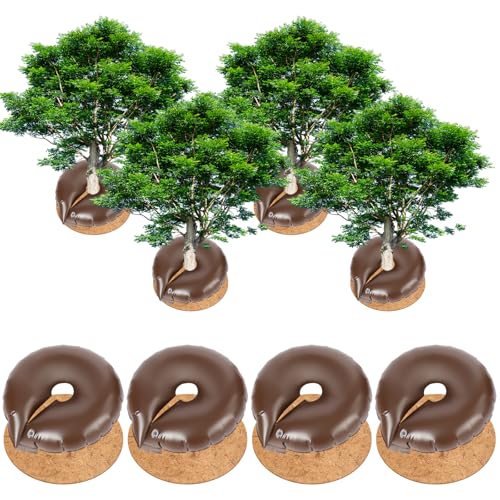
    Sunnychicc 4 Set Tree Watering Ring 20gal Watering Bags with Coconut Fiber Mulch Ring – Deep Root and Slow Release Automatic Drip Irrigation System for New Trees, Multi-Trunk Trees and Shrubs
    Sunnychicc 4 Set Tree Watering Ring 20gal Watering Bags with Coconut Fiber Mulch Ring – Deep Root and Slow Release Automatic Drip Irrigation System for New Trees, Multi-Trunk Trees and Shrubs

    Complete Tree Watering Kit: includes 4 watering rings + 4 coconut fiber mulch mats—a convenient bundle for efficient deep-root irrigation; The mulch mats prevent soil clogging while ensuring slow, even water distribution to tree roots

    VIEW LATEST PRICE

    As an affiliate, we earn on qualifying purchases.

    USHIGHLIGHT 1-Pack Tree Watering Ring, 20 Gallon Slow Release, Fits Max.6" Diameter Tree, Deep Root Watering, PVC Material
    USHIGHLIGHT 1-Pack Tree Watering Ring, 20 Gallon Slow Release, Fits Max.6" Diameter Tree, Deep Root Watering, PVC Material

    [ Upgrade Tree Watering Bags Slow Release] USHIGHLIGHT tree watering ring say no to “very hard to fill”, Say No to “drip water not as advertised”, Say No to “Not durable, just can use a couple of months”

    VIEW LATEST PRICE

    As an affiliate, we earn on qualifying purchases.

    Proper Spacing and Air Circulation

    For optimal growth and fruit production, ensure that you provide adequate spacing between loquat trees to promote proper air circulation and sunlight exposure. When planting loquat trees, follow spacing guidelines of at least 15 to 20 feet between trees. This ensures that the trees have ample room to spread their branches and receive adequate sunlight.

    Proper spacing also facilitates air circulation, reducing the risk of diseases and promoting overall tree health. Additionally, it allows for easier access when employing pruning techniques to maintain the trees' shape and size.

    Pruning is essential to ensure that each tree receives sufficient sunlight and airflow, which are vital for fruit production. By maintaining proper spacing and utilizing effective pruning techniques, you can create an environment that's conducive to healthy loquat trees and a bountiful harvest.

    MUST READ
    How to Control Pests on Loquat Trees

    Consideration of Local Climate

    Consider the local climate when selecting a planting location for your loquat trees to ensure they thrive and produce an abundant yield.

    Pay attention to microclimate variations, which can occur within small areas and affect temperature and humidity levels.

    Loquat trees thrive in subtropical regions with mild winters and warm summers. They can tolerate temperature extremes, but it's important to consider the potential impact of frost or excessive heat on the trees.

    Choose a location that provides some protection from strong winds and temperature fluctuations, as these can stress the trees and affect fruit production. Additionally, loquats prefer well-drained soil and benefit from some shelter to shield them from harsh weather conditions.

    Conclusion

    In choosing a sunny spot with well-draining soil and providing adequate spacing and water, you set the stage for thriving loquat trees.

    Consider the climate and ensure good air circulation for a bountiful harvest.

    With these considerations, your loquat trees will flourish and reward you with abundant fruit for years to come.

    Happy planting!

    Share. Facebook Twitter Pinterest LinkedIn Tumblr Email
    lucy smith
    Lucy Smith
    • Website

    Lucy Smith is a highly experienced horticulturist with a passion for fruit tree cultivation. She holds a degree in Horticulture from the University of California, Davis, and has worked in various roles in the industry. With over 10 years of experience, Lucy is dedicated to using eco-friendly methods for sustainable gardening practices.

    Related Posts

    Why Do Loquat Trees Produce Edible Fruit

    March 5, 2024

    Can Loquat Trees Adapt to Climate Change

    March 5, 2024

    Creating a Wildlife Habitat With Loquat Trees

    March 5, 2024

    Where Are Loquat Trees Considered Invasive

    March 5, 2024

    Is Loquat Tree Pollen Allergenic

    March 5, 2024

    Can Loquat Trees Be Used in Traditional Medicine

    March 5, 2024
    Leave A Reply Cancel Reply

    Affiliate Disclosure

    As an Amazon Associate I earn from qualifying purchases.

    Recommended Reading

    Can I Plant Fruit Trees in My Front Yard for a Beautiful and Bountiful Landscape

    Growing Blackberries at Home: Tips for Successful Cultivation and Harvesting

    Can Apple Trees Grow in Minnesota? Severe Cold Resistance

    Are Olive Trees Suitable for Street Planting

    Growing Honeydew from Seed: Tips for Healthy Plants and Sweet Harvests

    What Fruit Trees Grow in Central Illinois: Best Varieties for Your Garden Success

    When Are Grapes Planted? Best Regions, Soil Prep, and Planting Tips

    How to Stop Possums Eating Fruit Trees and Protect Your Garden Harvest Effectively

    When is the Best Time to Trim Fruit Trees for Maximum Growth and Healthy Yields

    Does Pine Tree Have Fruit? Discover the Truth About Pine Cones and Their Role

    Fruit Tree Hub

    Fruit Tree Hub is a website dedicated to providing you everything you need to grow fruit trees successfully at in your own yard.

    Contact us at: [email protected]

    - AFFILIATE DISCLOSURE: As an Amazon Associate I earn from qualifying purchases.

    Latest Posts

    Mango Trees in a Pot in Massachusetts (Coastal Growth Secrets)

    Jujube Trees in Kansas: Heat and Wind Survival Secrets

    Can Plum Trees Grow in Pennsylvania? Keystone State Tips

    Best Persimmon Trees for Florida: Subtropical Growth Strategies

    Can Tangerine Trees Grow in a Pot in Houston, TX? Humidity Tips

    Growing Mulberry Trees in Hawaii (Tropical Harvest Secrets)

    Can Nectarine Trees Grow in North Dakota? Extreme Cold Survival

    Pomegranate Trees in Oregon (PNW Climate and Soil Manual)

    Categories
    • Almond Trees
    • Apple Trees
    • Apricot Trees
    • Best Fruit Trees
    • Blackberry
    • Cantaloupe
    • Cherry Trees
    • Crochet Ideas
    • Crochet Ideas for Beginners
    • Cucamelon
    • Easy Crochet Ideas
    • Easy Knitting Projects
    • Fig Trees
    • Grapefruit Trees
    • Grapes
    • Guava Trees
    • Honeydew
    • Jujube Trees
    • Kiwi
    • Knitting For Beginners
    • Knitting Ideas
    • Knitting Inspiration
    • Lemon Trees
    • Lime Trees
    • Loquat Trees
    • Mango Trees
    • Mulberry Trees
    • Nectarine Trees
    • Olive Trees
    • Orange Trees
    • Papaya Trees
    • Peach Trees
    • Pear Trees
    • Persimmon Trees
    • Planting
    • Plum Trees
    • Pomegranate Trees
    • Quince Trees
    • Raspberry
    • Reviews
    • Small Crochet Ideas
    • Star Fruit Trees
    • Summer Crochet Ideas
    • Tamarind Trees
    • Tangerine Trees
    • Tips and Advice
    • Tools
    • Uncategorized
    • Walnut Trees
    © 2026 Fruit Tree Hub
    • Home
    • About Us
    • Contact
    • Privacy Policy
    • Terms and Conditions
    • Disclaimer
    • Editorial Policy
    • Affiliate Disclosure

    Type above and press Enter to search. Press Esc to cancel.