

Wondering when to trim your fruit trees for the best yield? You’re not alone. Many gardeners face the challenge of timing their pruning just right to promote healthy growth and abundant fruit.
Key Takeaways
- Understand Tree Types: Differentiate between deciduous, evergreen, stone fruit, and small fruit trees as they require specific pruning times for optimal health and yield.
- Monitor Growth Cycles: Recognize the dormancy phase, bud break, active growth, and post-harvest periods to determine the best timing for pruning activities.
- Prioritize Tree Health: Assess the condition of your fruit trees, and prune unhealthy or damaged branches promptly, regardless of the season, to support recovery.
- Prune at Ideal Times: Schedule pruning during the dormant season for deciduous trees, during active growth for shaping, and post-harvest for maintenance, ensuring minimal stress to the trees.
- Use Proper Techniques: Apply effective pruning methods, including making clean cuts and avoiding over-pruning, to enhance tree health and maximize fruit production.
- Equip Yourself: Utilize the right tools such as pruning shears, loppers, and safety gear to ensure safe and effective trimming of your fruit trees.
Understanding Fruit Trees
Understanding your fruit trees helps in determining the right time for trimming. Different fruits have unique growth patterns and trimming needs.
Recommended Products
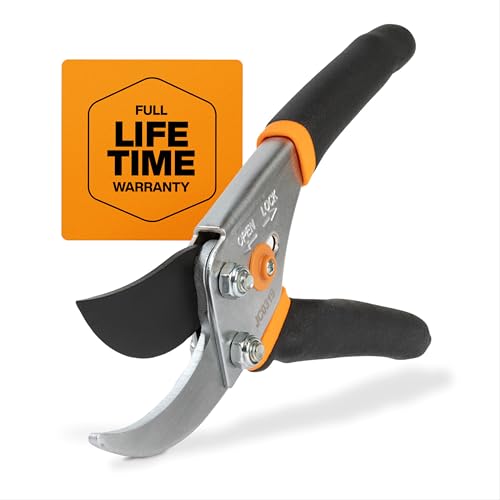
CLEAN CUTS FOR LIVE GROWTH: Bypass blade design is ideal for pruning delicate flower stems and green growth, helping reduce crushing and plant damage while cutting stems and small branches up to 5/8” in diameter

· ULTRA-SHARP SK5 STAINLESS STEEL - Engineered with premium SK5 stainless steel, these heavy duty pruning shears deliver razor-sharp precision and maximum hardness. The rust-resistant blades are designed to stay sharp longer, effortlessly resisting corrosion and sap buildup for smooth, friction-free garden shears performance year after year.

LONG-LASTING SHARPNESS: Japanese SK5 bypass blade with titanium coating is tested through 5,000 cuts to maintain a sharp edge and deliver clean, consistent cuts on live stems and branches
Types of Fruit Trees
- Deciduous Trees: These trees shed leaves in autumn. Examples include apples, pears, and cherries. They usually benefit from winter pruning, as it encourages healthy growth in spring.
- Evergreen Trees: These trees retain leaves year-round. Examples include citrus and some types of avocado. Pruning should occur in late spring or early summer to avoid damaging new growth.
- Stone Fruit Trees: Such as peaches and plums, these trees often require summer pruning. This technique encourages air circulation and light penetration, enhancing fruit quality and size.
- Small Fruit Trees: Trees like figs and pomegranates respond well to maintenance trimming in early spring, promoting strong growth and abundant fruit set.
Growth Cycles
Monitoring the growth cycle of your fruit trees aids effective trimming.
- Dormant Phase: During winter, many trees enter a dormant phase. Pruning during this time can stimulate healthier growth in spring.
- Bud Break: In early spring, trees start to leaf out. Avoid pruning during this time, as it can stress the tree and reduce fruit yield.
- Active Growth: From spring to early summer, trees develop new shoots and leaves. Pruning in early summer helps with shaping and size control.
- Harvest Season: Post-harvest, maintain minimal pruning. Focus on removing dead or diseased wood. This prevents issues and prepares the tree for the next cycle.
Factors Influencing Trimming Time
Understanding the factors influencing trimming time improves your fruit tree care. Consider tree health and seasonal effects for optimal results.
Tree Health
Assessing tree health plays a crucial role in determining the right time to trim. Signs of stress, disease, or pest damage warrant immediate attention. Pruning unhealthy trees can help remove problematic branches and promote recovery. For instance, if a tree displays dead or diseased branches, trim those first, regardless of the season. Regularly checking for these issues ensures your tree remains vibrant.
Seasonal Effects
Seasonal changes significantly influence trimming timing. Winter is the best season for pruning most deciduous fruit trees because they are dormant. This practice minimizes sap loss and stress on the tree. For instance, trimming apple and pear trees in late winter encourages vigorous growth in spring. Conversely, avoid pruning during bud break in early spring, as this can hinder new growth. Recognize that some trees, like citrus, may not require winter trimming and are better shaped during late spring or early summer. Adapting to seasonal effects leads to healthier, more productive trees.
Best Times to Trim Fruit Trees
Understanding the best times to trim fruit trees ensures healthy growth and optimal fruit production. Here’s a breakdown of the ideal pruning periods.
Recommended Products

★ 1. What you get: Professional convenient grafting tool set including a dual-use grafting pruner tool contain 2 extra replaceable blades, a wrench and a screwdriver, along with 36pcs wide rubber bands, 150 thick rubber bands and 1 grafting tape, packed in a black wallet to meet all your needs


[Cut & Hold Pole Pruner for Tree Trimming] This long reach cut and hold pruner makes it easy to grip and remove branches, flowers, or fruit without dropping them. Perfect as a pole fruit picker for harvesting lemons, oranges, apples, or persimmons, and for trimming shrubs and bushes without climbing a ladder.
Dormant Season
Trimming during the dormant season, typically late winter, is crucial for most deciduous fruit trees. Around February to early March is often the best time. At this stage, trees are not actively growing, which minimizes stress and sap loss. For example, trimming apple and pear trees in late winter encourages strong growth when spring arrives. You can prune branches to improve sunlight exposure and air circulation, which supports overall health.
Growing Season
The growing season, from spring to early summer, is also a suitable time for pruning. During this phase, you can focus on shaping the tree and controlling its size. Wait until after the threat of frost before trimming. For instance, in late spring, you might lightly prune peach and plum trees to enhance fruit production. Applying proper techniques during this period can promote better fruiting by allowing more light to reach the developing fruits.
Post-Harvest Timing
Post-harvest pruning should happen in late summer or early fall after you harvest the fruit. This type of pruning helps maintain tree health and prepares it for the next growing season. Remove any dead or diseased wood and thin out crowded branches. For example, after picking figs or pomegranates, trim to improve airflow and sunlight penetration, ensuring a robust framework for the following year’s growth.
Tips for Trimming Fruit Trees
Trimming fruit trees involves specific techniques and tools. Knowing the proper ways and equipment can lead to better tree health and fruit production.
Recommended Products

IDEAL BRANCH TRIMMER: Tree pruner that extends from 7.9 to 12 feet; Lightweight aluminum pole weighing less than five pounds to help minimize fatigue; Ideal for cutting high branches, or making low cuts without bending or kneeling

【Multi-purpose Tree Pruner】The telescopic pole pruner has a shearing function and can be used for picking fruit and trimming high branches. The sharp blade of the fruit picking rod can easily cut branches up to 1/2 inch in diameter, and the included serrated saw blade uses double-sided cutting technology, making it easy to cut through thicker tree trunks. Its versatile design makes it an indispensable tool for gardening.
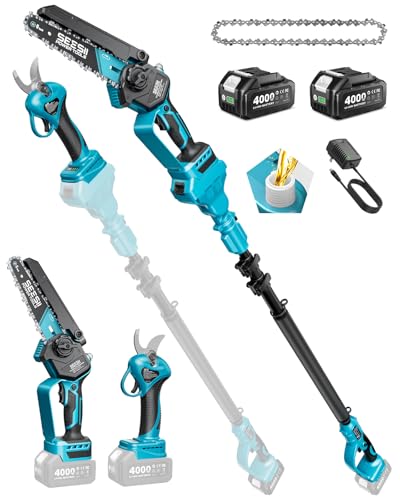
Ultimate 4-in-1 Pruning Solution: Experience the versatility of SEESII's electric pole saw and pruning shears combo. With a 6-inch pole saw designed for high branches and precision electric pruning shear for detailed work, you can seamlessly transition between tasks without changing tools. Whether you're maintaining your backyard or tackling a major landscaping project, this pole pruner system handles everything from delicate vines to thick overhead limbs
Proper Techniques
- Identify branches to prune: Focus on dead, damaged, or diseased branches first. Removing these encourages healthy growth.
- Make clean cuts: Use sharp, clean tools. This prevents injury to the tree and minimizes the risk of disease.
- Prune at the right angle: Cut branches at a slight angle to allow water runoff. This helps prevent rot.
- Leave lateral branches: Avoid cutting too close to the trunk. Leave a small collar, which helps the tree heal.
- Don’t over-prune: Limit trimming to about 25% of the tree’s total volume to avoid stressing the tree.
- Pruning shears: Use for small branches and precise cuts.
- Loppers: Great for medium-sized branches. They provide better leverage and reach.
- Hand saw: Necessary for larger branches. It offers precision for cutting thicker limbs.
- Pole pruner: Ideal for high branches. It allows you to reach without a ladder.
- Safety gear: Wear gloves, goggles, and long sleeves to protect yourself while pruning.
Using these techniques and tools ensures effective trimming that promotes healthy growth and maximizes fruit yield.
Conclusion
Trimming your fruit trees at the right time can make all the difference in their health and productivity. By understanding the unique needs of each type of tree and paying attention to their growth cycles you can ensure they thrive. Remember that late winter is generally the best time for most deciduous trees while shaping during active growth can enhance their structure.
Don’t forget to keep an eye on your trees throughout the year. If you notice any signs of stress or disease don’t hesitate to prune as needed. With the right timing and techniques you’ll enjoy a bountiful harvest and vibrant trees for years to come. Happy gardening!
Frequently Asked Questions
When is the best time to prune fruit trees?
Pruning fruit trees is best done in late winter during their dormant phase. This timing minimizes sap loss and stress while promoting strong growth in spring.
Can I prune my fruit trees in spring?
While some shaping and size control can be done in spring to early summer, avoid major pruning during bud break to prevent stressing the tree.
What factors should I consider before pruning fruit trees?
Assess the tree’s health, signs of stress, disease, or pest damage. Seasonal changes also affect optimal timing, so adjust your approach accordingly.
How much of a fruit tree can I safely prune?
It’s advisable to trim no more than 25% of the tree’s total volume at one time. This helps maintain tree health while encouraging growth and fruit production.
What tools are recommended for pruning fruit trees?
Essential tools include pruning shears for small branches, loppers for medium ones, hand saws for larger limbs, and pole pruners for high branches. Always wear safety gear when pruning.
