

Lime trees can grow in Connecticut, but their survival during winter requires careful planning. These trees thrive in warmer climates, so specific measures must be taken to protect them from cold temperatures and frost.
Connecticut Lime Tree Species Overview
Understanding the specific lime tree species suited for Connecticut is crucial for successful cultivation. The state’s unique climate and soil conditions present challenges, but certain varieties are more resilient and adaptable. This overview will explore the lime tree species that thrive in Connecticut, providing essential insights for gardeners and enthusiasts alike.
Lime trees come in various species, each with unique characteristics. The Persian lime and Key lime are popular choices for home gardeners.
Persian limes are larger and more tolerant of cooler conditions, making them a better option for Connecticut. Key limes are smaller and more flavorful but require more protection from frost. Knowing which variety to choose is crucial for successful cultivation in this region.
| Lime Variety | Size | Cold Tolerance | Flavor Profile |
|---|---|---|---|
| Persian Lime | Large | Moderate | Mildly tart |
| Key Lime | Small | Low | Strongly tart |
Winter Care for Lime Trees in Connecticut
Lime trees can thrive in Connecticut, but their survival during the harsh winter months requires careful attention. This section provides essential tips and strategies for protecting your lime trees from freezing temperatures, ensuring they remain healthy and vibrant throughout the cold season. Proper winter care is crucial for successful growth and fruit production in this climate.
Preparing lime trees for winter involves several steps to ensure their survival. Start by pruning any dead or damaged branches to promote healthy growth.
Next, apply mulch around the base of the tree to insulate the roots. Use a frost cloth or plant blanket to cover the tree during cold snaps. This protective layer will help retain heat and shield the tree from frost damage.
Recommended Products

THICKER MATERIAL: Our plant freeze protection cover is made of UV stabilized polypropylene. Upgraded thicker 0.9oz./sq.yard lightweight but durable. Soft plant covers are friendly and no harm to your plants. Breathable non-woven fabric allow light, air go through the frost cloths and reach the plants.

The Large plant cover is perfect for Plant size 55''-70"high and 84''-94" round, Heavy-weight FRCs (1.77oz./sq. yard): usually used to extend the growing season in spring and fall, allow 40%-60% light transmittance, and recommend 3°-8°F of freeze protection

FROST COLD WIND AND PEST PROTECTION - Pasidener plant covers freeze protection not only keep plant safe from weather conditions but also keep deer and other animals from nibbling! These plant covers stay on through some rough wind and prevent loss of leaves due to a freezing weather.
Winter Pruning Techniques for Lime Trees
Winter pruning is essential for maintaining the health and productivity of lime trees in Connecticut’s cold climate. Proper techniques can help ensure that your trees survive the winter and thrive in the growing season. This section will outline effective pruning methods tailored to the unique challenges of winter in the region.
Prune branches before the first frost
Apply mulch at least 2-3 inches thick
Cover trees with frost cloth during cold nights
Water adequately before the ground freezes
Choose the Right Location for Lime Trees
Selecting the right location for lime trees is crucial for their successful growth in Connecticut’s unique climate. Factors such as sunlight, soil quality, and protection from harsh winter winds can significantly influence their health and productivity. Understanding these elements will help ensure your lime trees thrive despite the challenges posed by the colder months.
Selecting the right location for lime trees is essential for their growth and winter survival. Lime trees need full sun exposure for at least six hours daily.
Plant them in a sheltered area that protects them from harsh winds. Avoid low-lying areas where cold air settles, as this can lead to frost damage.
Optimal Sunlight Requirements for Lime Trees
Lime trees thrive in bright, direct sunlight, making their light requirements crucial for successful growth, especially in Connecticut’s variable climate. Understanding how much sun these trees need will help ensure they flourish and survive the winter months. This section outlines the optimal sunlight conditions necessary for healthy lime trees in this region.
Sunlight: Full sun for at least six hours
Soil: Well-draining, sandy loam
Wind protection: Plant near structures or taller plants
Temperature and Humidity Monitoring for Lime Trees
Monitoring temperature and humidity is crucial for the health of lime trees, especially in Connecticut’s variable climate. Understanding these environmental factors can help ensure that your lime trees thrive, even during the colder months. This section will explore effective strategies for keeping track of these conditions to support your trees’ winter survival.
Monitoring temperature and humidity is vital for lime tree health. Use a thermometer to track nighttime lows, especially during winter months.
If temperatures drop below 30°F, take immediate action to protect your trees. Humidity levels also play a role in preventing frost damage. If the air is too dry, consider using a humidifier or misting the area around the trees.
Recommended Products

[Color LCD Screen Weather Station] Newentor temperature & humidity monitor with a large color LCD display shows essential home weather information at a glance: indoor/outdoor temperature & humidity, daily high/low records, customizable alerts, time/date, alarm clock & snooze, weather forecast, moon phase, and barometric pressure.

Smart Features: The Govee Wireless Thermometer Hygrometer supports all basic functions as well as smart functions such as remote monitoring and temp humidity graphs. Our humidity meters are reliable and easy to use for homes, greenhouses and more.(Only supports 164ft Bluetooth connection)
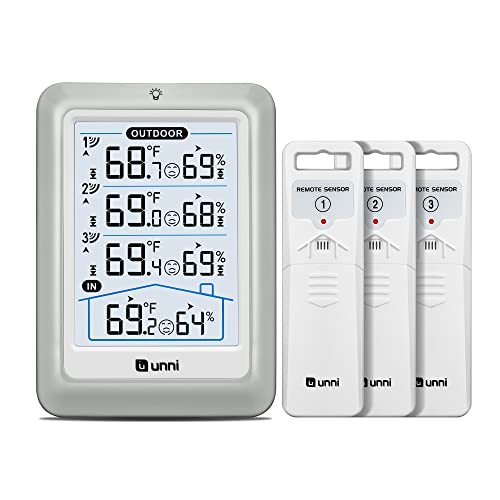
HIGH-ACCURARY TEMPERATURE HUMIDITY GAUGE – We pre-calibrate the sensor to make it extremely accurate! The indoor temperature range is 14.2ºF ~ 122ºF, outdoor temperature range is -40ºF to 158ºF, indoor/outdoor humidity range is 20%~95%, temperature accuracy is +/-2ºF and humidity accuracy is +/-5%.
Temperature Monitoring Tools for Lime Trees
Monitoring temperature is crucial for the successful cultivation of lime trees in Connecticut’s variable climate. Understanding the specific temperature requirements and potential threats posed by winter conditions can help gardeners protect their trees. This section explores various tools and methods for effectively tracking temperature to ensure the health and survival of lime trees during the colder months.
Thermometer for temperature tracking
Hygrometer for humidity levels
Frost alarm to alert you of temperature drops
Winter Preparation for Lime Trees
Preparing lime trees for winter in Connecticut is essential to ensure their survival through the cold months. Given the challenges posed by harsh winters, understanding the specific steps for winter preparation can help protect these tropical plants. This guide outlines effective strategies to safeguard lime trees from frost and freezing temperatures.
Proper fertilization and watering before winter can enhance your lime trees’ resilience. Use a balanced fertilizer in late summer to provide essential nutrients.
Water the trees thoroughly before the ground freezes to ensure the roots have adequate moisture. This practice helps the trees withstand cold temperatures and reduces stress during winter.
Lime Tree Care for Connecticut Winters
Caring for lime trees in Connecticut’s winter requires specific strategies to ensure their survival in harsh conditions. Understanding the unique challenges posed by the cold climate is essential for maintaining healthy trees. This section will provide practical tips and techniques to help lime trees thrive despite the winter chill.
Fertilize: Use balanced fertilizer in late summer
Water: Deeply before the first freeze
Frequency: Every 4-6 weeks during growing season
Winter Protection Strategies for Lime Trees
Lime trees are not typically suited for the cold winters of Connecticut, but with the right protection strategies, they can survive the harsh conditions. This section outlines effective methods to shield lime trees from freezing temperatures, ensuring they remain healthy and resilient throughout the winter months. Implementing these techniques can significantly enhance their chances of thriving in a challenging climate.
Lime trees are not frost-resistant and can suffer severe damage if not protected during winter months.
Recommended Products

PACKAGE: The package includes 4Pcs plant covers,will meet your daily use or replacement. Measuring 31.5" x 47.3", the plant protector is waterproof, windproof.
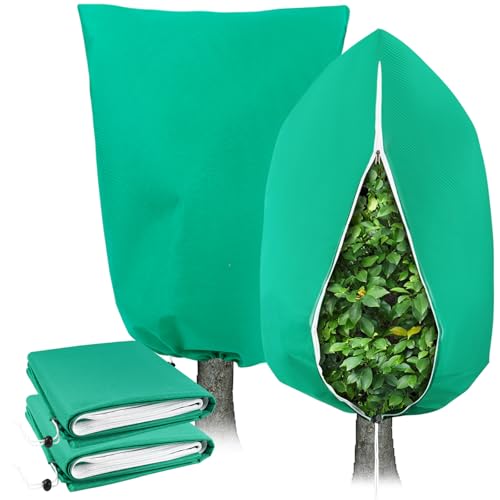
PLANT COVERS FREEZE PROTECTION FOR WINTER:You will receive 2 pack 47 * 72 inch frost blankets cloths for outdoor plants, designed specifically for outdoor plant protection, which can resist frost, snow, rain, wind, hail, animals, insects, birds, etc. Frost cloths for outdoor plants providing sufficient coverage space and is very suitable for shrubs, small trees, flowers, vegetables, etc

The small plant cover is perfect for Plant size 16''-23"high and 36''-46" round, Heavy-weight FRCs (1.77oz./sq. yard): usually used to extend the growing season in spring and fall, allow 40%-60% light transmittance, and recommend 3°-8°F of freeze protection
Lime Tree Winter Care Strategies in Connecticut
With the right care and preparation, lime trees can thrive in Connecticut. Choose the appropriate variety, prepare them for winter, and monitor their environment closely. Following these guidelines will help ensure your lime trees not only survive but also flourish in the warmer months.
