

Do you dream of enjoying sweet, juicy cantaloupe grown right in your backyard? Picture this: on a warm summer day, stepping outside to pluck a perfectly ripe melon from your own garden. But where can you grow cantaloupe to ensure a bountiful harvest? This article has the answers you need.
Imagine the satisfaction of serving your family fresh cantaloupe that you nurtured from seed to fruit. With the right guidance, you can turn this dream into reality. In this article, we’ll explore the ideal conditions and locations for growing delicious cantaloupes so that you can savor the taste of success in every bite.
Key Takeaways
- Ideal Growing Conditions for Cantaloupe:Cantaloupes thrive in warm climates with temperatures between 70-90°F. They prefer well-draining, sandy loam soil rich in organic matter and pH around 6.0-6.8.
- Cantaloupes thrive in warm climates with temperatures between 70-90°F.
- They prefer well-draining, sandy loam soil rich in organic matter and pH around 6.0-6.8.
- Best Regions for Growing Cantaloupe:States like California, Arizona, Texas, and Georgia are prime locations for cantaloupe farming in the United States. Countries such as Spain, Turkey, Egypt, and Australia are global hotspots for successful cantaloupe cultivation.
- States like California, Arizona, Texas, and Georgia are prime locations for cantaloupe farming in the United States.
- Countries such as Spain, Turkey, Egypt, and Australia are global hotspots for successful cantaloupe cultivation.
- Techniques to Optimize Cantaloupe Growth:Selecting the right cultivar based on climate suitability and disease resistance is crucial. Improving soil health by conducting tests, adding compost or aged manure, and mulching can enhance plant growth.
- Selecting the right cultivar based on climate suitability and disease resistance is crucial.
- Improving soil health by conducting tests, adding compost or aged manure, and mulching can enhance plant growth.
- Challenges in Growing Cantaloupe:Managing pests like aphids and diseases such as powdery mildew is essential for a healthy harvest. Weather-related challenges like extreme temperatures or heavy rains can impact plant health and fruit development.
- Managing pests like aphids and diseases such as powdery mildew is essential for a healthy harvest.
- Weather-related challenges like extreme temperatures or heavy rains can impact plant health and fruit development.
Ideal Growing Conditions for Cantaloupe
Growing cantaloupes successfully requires understanding the ideal conditions they need to thrive. Here’s what you need to know:
Recommended Products

Quick, at home results for Soil pH, Nitrogen, Phosphorous and Potash Innovative and inexpensive soil test kit features an easy-to-use capsule system and patented color comparators

Kindly NOTE: This soil tester can not be applied to test pH value of any other liquid. If the soil is too dry the indicator will not move, and water it before testing.

KNOW BEFORE YOU GROW | Grow the healthiest, sustainable lawn and garden with the most accurate and easy to use professional soil test kit on the market
Climate Requirements
In general, cantaloupes thrive in warm climates with plenty of sunlight. They require temperatures between 70-90°F (21-32°C) for optimal growth. If you live in a region with cooler summers, consider starting your seeds indoors and transplanting them outdoors once the soil warms up.
Soil and Water Needs
Cantaloupes prefer well-draining, sandy loam soil rich in organic matter. Ensure the soil pH is around 6.0-6.8 for best results. When watering your cantaloupe plants, aim to keep the soil consistently moist but not waterlogged. Mulching around the plants can help retain moisture and regulate soil temperature.
By providing the right climate conditions, suitable soil, and proper watering techniques, you can set your cantaloupe plants up for success and enjoy a bountiful harvest of delicious fruits.
Best Regions for Growing Cantaloupe
When considering the best regions for growing cantaloupe, it’s essential to focus on climates that provide the ideal conditions for these delicious fruits to thrive. Here are some key regions known for successful cantaloupe cultivation:
Recommended Products

Quality Material: Watermelon nets are made of strong nylon mesh material, drawstring design, reusable and not easy to break.
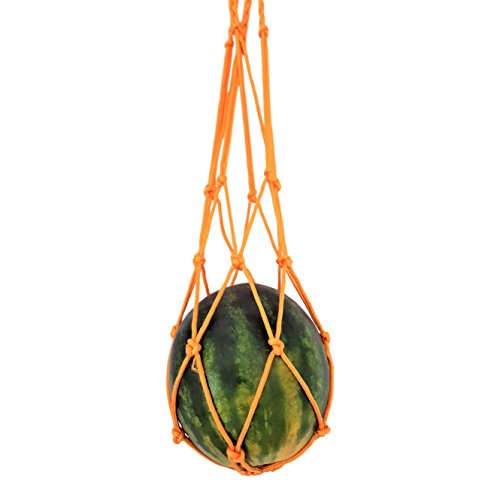
Melon Nets allow you to keep fruits far off the ground away from Hungry rodents and bugs

Cantaloupe Farming in the United States
In the United States, states like California, Arizona, Texas, and Georgia are prime locations for cantaloupe farming. These regions offer warm temperatures and plenty of sunlight—essential factors for healthy plant growth and sweet fruit development.
Global Hotspots for Cantaloupe Cultivation
Internationally, countries such as Spain, Turkey, Egypt, and Australia are renowned for their successful cantaloupe cultivation. These regions benefit from similar warm climates with adequate sunshine, making them favorable environments for growing top-quality cantaloupes.
By identifying suitable regions with the right climate conditions and soil types conducive to cantaloupe growth, you can increase your chances of a bountiful harvest of flavorful melons.
Techniques to Optimize Cantaloupe Growth
To ensure the successful growth of cantaloupes, you can implement various techniques that will enhance your harvest. Here are some strategies to help you optimize the growth of your cantaloupe plants:
Recommended Products

【Sturdy and Durable Material】This melon hammock is made of thickened nylon material, which is sturdy, durable, resilient and eco-friendly for easy storage.

Protect Watermelons: Watermelon hanging nets are widely used in melon sheds on farms. Watermelons are relatively large in size and weight and require the support of watermelon hanging nets. It is also often used in the cultivation of other fruits and vegetables, such as pumpkins; cantaloupes and winter melons. The hanging net supports the fruits and effectively prevents the vines from breaking due to the weight of the fruits, which is conducive to harvesting more complete and fresh fruits

Sufficient Package: 50 reusable plastic watermelon nets in a pack, nylon fruit nets with drawstrings for sealing to prevent the fruits from falling out
Choosing the Right Cultivar
Selecting the appropriate cultivar is crucial for maximizing the growth and yield of your cantaloupes. When choosing a cultivar, consider factors such as climate suitability, disease resistance, and fruit quality. Popular cultivars like “Ambrosia,” “Hale’s Best,” and “Sugar Cube” are well-suited for different growing conditions. By selecting a cultivar that thrives in your specific region, you can set the stage for a successful cantaloupe harvest.
Improving Soil Health and Fertility
Ensuring that your soil is healthy and fertile is essential for optimal cantaloupe growth. Conduct a soil test to assess its pH levels and nutrient content. Cantaloupes prefer well-draining soil rich in organic matter. Incorporating compost or aged manure into the soil can improve its fertility and structure, providing essential nutrients for robust plant growth. Additionally, mulching around the base of the plants can help retain moisture and suppress weed growth, creating ideal growing conditions for your cantaloupes.
By implementing these techniques – selecting suitable cultivars and enhancing soil health – you can effectively optimize the growth of your cantaloupes and increase your chances of a bountiful harvest.
Challenges in Growing Cantaloupe
When it comes to growing cantaloupes, you may encounter certain challenges that can impact the success of your harvest. Understanding how to manage pests and diseases as well as weather-related obstacles is crucial for ensuring the healthy growth of your melons.
Pest and Disease Management
In cultivating cantaloupes, dealing with pests and diseases is essential to protect your plants and optimize yield. Common pests that can affect cantaloupes include aphids, spider mites, and cucumber beetles. These insects can damage the leaves, stems, and fruits of the plant if left unchecked.
To manage pests effectively, consider implementing integrated pest management strategies. This approach involves using a combination of cultural practices, biological controls, and targeted pesticide applications only when necessary. Regularly inspect your plants for any signs of pest infestations and take prompt action to prevent widespread damage.
In addition to pests, various diseases such as powdery mildew, fusarium wilt, and anthracnose can pose a threat to cantaloupe crops. These diseases can weaken the plants, reduce fruit quality, and ultimately diminish yields.
Preventive measures like crop rotation, proper spacing between plants for adequate airflow, and avoiding overhead watering can help minimize disease incidence. If symptoms are observed on your plants, promptly remove infected parts to prevent further spread. Consider using disease-resistant varieties when possible to mitigate risks.
Weather-Related Challenges
Weather conditions play a significant role in the successful growth of cantaloupes. Extreme temperatures, fluctuations in humidity levels, heavy rains or droughts can all impact plant health and fruit development.
During periods of high heat or intense sunlight exposure, cantaloupe plants may experience sunburn on their fruits or leaves. To protect them from excessive heat stress, consider providing shade cloth or using mulch around the base of the plants to retain soil moisture.
On the other hand, excessive rainfall or overwatering can lead to waterlogged soil conditions that promote root rot and fungal diseases. Ensure proper drainage in your planting area by amending soil with organic matter or creating raised beds to prevent water accumulation around the roots.
In regions prone to strong winds or storms, providing physical support like trellises or stakes for vine support can prevent plant breakage during inclement weather. Monitoring weather forecasts regularly allows you to prepare for adverse conditions proactively.
By addressing these pest management strategies and weather-related challenges thoughtfully throughout your cantaloupe growing journey’s stages ensure you’re equipped with effective solutions should these obstacles arise in your garden.
Conclusion
Growing cantaloupes successfully requires warm climates, well-draining soil, and proper moisture levels. By selecting suitable cultivars, improving soil health, and utilizing mulching techniques, you can optimize your cantaloupe growth. Integrated pest and disease management strategies are essential to overcome challenges in cultivation. Be proactive in preventing sunburn, root rot, and plant breakage throughout the growing stages. With these tips in mind, you’ll be on your way to a bountiful cantaloupe harvest regardless of your location. Happy gardening!
Frequently Asked Questions
Q: What are the optimal conditions for growing cantaloupes?
A: Cantaloupes thrive in warm climates with well-draining soil and consistent moisture levels.
Q: How can I optimize cantaloupe growth?
A: Optimize growth by selecting suitable cultivars, improving soil health, and using mulching techniques.
Q: What challenges are involved in cantaloupe cultivation?
A: Challenges include pest and disease management, extreme temperatures, humidity fluctuations, and heavy rains.
Q: How can I prevent sunburn, root rot, and plant breakage in cantaloupes?
A: Prevent these issues by taking proactive measures throughout the different stages of growth.
