

Grapefruit trees in Fort Worth, TX thrive with proper heat-resistant strategies. Selecting the right varieties and implementing effective care techniques ensures healthy growth and fruitful yields.
Heat-Resistant Grapefruit Selection for Fort Worth
Selecting heat-resistant grapefruit varieties is crucial for successful cultivation in Fort Worth’s climate. The region’s high temperatures can stress less resilient plants, making it essential to choose types that thrive under such conditions. This section explores the best options for gardeners looking to grow healthy grapefruit trees in the Texas heat.
Selecting the right grapefruit varieties is crucial for success in Fort Worth’s climate. The region experiences high temperatures and occasional drought, making heat resistance a priority.
Look for varieties specifically bred to withstand heat stress and maintain fruit quality. Some recommended choices include:
Ruby Red: Known for its sweet flavor and vibrant color.
Star Ruby: Offers excellent heat tolerance and rich taste.
Pink Marsh Seedless: Produces juicy fruit and adapts well to heat.
| Variety | Heat Tolerance | Flavor Profile | Seedless |
|---|---|---|---|
| Ruby Red | High | Sweet | No |
| Star Ruby | Very High | Rich | No |
| Pink Marsh | Moderate | Juicy | Yes |
Soil Preparation Techniques for Grapefruit Trees
Preparing the right soil is crucial for the successful growth of grapefruit trees in Fort Worth’s unique climate. This section explores effective soil preparation techniques that enhance drainage, nutrient availability, and pH balance, ensuring that your trees thrive despite the heat. Understanding these methods will help you create an optimal environment for your grapefruit trees to flourish.
Soil preparation is essential for healthy grapefruit trees. The right soil mix enhances drainage and nutrient availability, crucial for tree development.
Aim for a slightly acidic to neutral pH level, ideally between 6.0 and 7.0. Follow these steps for optimal soil preparation:
Test soil pH using a home testing kit.
Amend soil with organic compost to improve fertility.
Ensure proper drainage by mixing in sand or perlite if necessary.
Recommended Products

Kindly NOTE: This soil tester can not be applied to test pH value of any other liquid. If the soil is too dry the indicator will not move, and water it before testing.

KNOW BEFORE YOU GROW | Grow the healthiest, sustainable lawn and garden with the most accurate and easy to use professional soil test kit on the market

Accurate Soil pH Testing: Dewildetradingco Soil pH Test Strips offer measurements of soil pH levels (pH 3.5-9). As an essential tool for every gardener and grower, these test strips help determine the optimal pH for various plants, such as outdoor plants, indoor plants, gardens, grass lawns, fruit trees, flowers, vegetables, and forest shrubs.
Fertilization Strategies for Grapefruit Trees
Effective fertilization is crucial for the health and productivity of grapefruit trees, especially in the unique climate of Fort Worth, TX. Understanding the specific nutrient needs and timing can significantly enhance growth and fruit quality. This section explores tailored fertilization strategies to help your grapefruit trees thrive in the heat.
Regular fertilization supports robust growth and fruit production. Grapefruit trees benefit from a balanced fertilizer that provides essential nutrients.
Use a slow-release formula designed for citrus trees. Follow these guidelines for effective fertilization:
Apply fertilizer in early spring and late summer.
Use a formula with a ratio of 8-8-8 or 10-10-10.
Water thoroughly after application to activate nutrients.
Irrigation Strategies for Grapefruit Trees
Effective irrigation is crucial for the health of grapefruit trees in Fort Worth, TX, especially given the region’s heat. Understanding the best practices for watering can help ensure these trees thrive despite the challenging climate. This section explores various irrigation strategies tailored to optimize growth and fruit production in hot conditions.
Effective irrigation techniques are vital for maintaining grapefruit trees during hot months. Proper watering practices prevent stress and promote healthy fruit development. Implement these irrigation strategies:
Water deeply once a week to encourage deep root growth.
Use drip irrigation to minimize evaporation and deliver water directly to roots.
Mulch around trees to retain moisture and regulate soil temperature.
Recommended Products
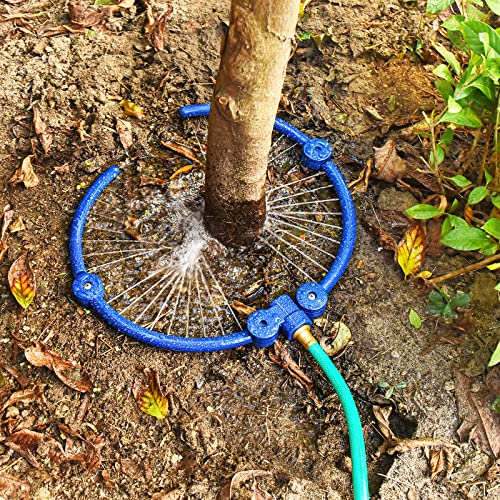
【Specially Designed for Trees and Shrubs】 The Watering Ring is a multi-purpose irrigation ring that attaches to a garden hose to efficiently water young trees shrubs vegetables or flower beds using drip or trickle irrigation.It directs water to the root perimeter of the plant to give them a good start during the first two growing seasons or through periods of drought.

【Upgraded Tube Design & Water Saving】 Our adjustable garden watering system is upgraded to 1/2” diameter to support high water pressure. The 1/2” tee connector in the package so you can easily set up 2 drip irrigation systems as needed. Garden watering systems minimize stage water loss by recharging water directly to plant roots. While traditional irrigation often results in wasted water, this drip irrigation system saves up to 70% of water, no need for manual watering, saves water.

Pest Control Strategies for Grapefruit Trees
Effective pest control is essential for maintaining healthy grapefruit trees in Fort Worth’s unique climate. This section outlines practical strategies to manage common pests that threaten these trees, ensuring robust growth and fruitful harvests. By implementing these techniques, gardeners can protect their trees from infestations while promoting a thriving environment.
Pest and disease management is essential for healthy grapefruit trees. Common issues include aphids, scale, and fungal infections.
Implement an integrated pest management approach to minimize damage. Consider these steps:
Inspect trees regularly for early signs of pests or disease.
Use insecticidal soap for soft-bodied insects like aphids.
Apply fungicides as needed to combat fungal infections.
| Pest/Disease | Symptoms | Treatment | Prevention |
|---|---|---|---|
| Aphids | Curling leaves | Insecticidal soap | Regular inspections |
| Scale | Sticky residue | Horticultural oil | Maintain tree health |
| Fungal Issues | Leaf spots | Fungicides | Proper spacing |
Pruning Techniques for Grapefruit Tree Health
Proper pruning is essential for maintaining the health and productivity of grapefruit trees, especially in the unique climate of Fort Worth, TX. This section delves into effective pruning techniques that promote vigorous growth, enhance fruit quality, and ensure the trees withstand heat stress. Understanding these methods will help you cultivate a thriving grapefruit tree in your garden.
Pruning is an important practice for maintaining grapefruit trees. Proper pruning enhances airflow and sunlight penetration, reducing the risk of disease. Follow these pruning tips for effective results:
Prune in late winter before new growth begins.
Remove dead or crossing branches to improve structure.
Thin out crowded areas to promote airflow.
Heat Protection Strategies for Grapefruit Trees
Grapefruit trees thrive in warm climates, but the intense heat of Fort Worth can pose challenges to their health and productivity. Implementing effective heat protection strategies is essential for ensuring these trees remain vibrant and fruitful throughout the scorching summer months. Here are some practical approaches to safeguard your grapefruit trees from extreme temperatures.
Extreme heat can stress grapefruit trees, affecting their health and productivity. Implement protective measures to shield trees from high temperatures. Consider these strategies:
Provide shade cloth during peak heat hours.
Water in the early morning to reduce evaporation.
Monitor soil moisture levels closely to prevent drought stress.
Regular attention to these areas ensures healthy grapefruit trees that can withstand Fort Worth’s heat.
