

Growing your own guava tree can be a rewarding and budget-friendly experience. By learning how to propagate guava trees from seeds, you can enjoy the sweet fruits in your own backyard.
This guide will teach you the simple steps to take guava seeds and nurture them into thriving trees.
Whether you're a seasoned gardener or just starting out, you'll gain the knowledge and skills needed to successfully grow your own guava trees from seeds.
Key Takeaways
- Select ripe and healthy guava seeds for better germination rates.
- Soak the seeds in water for 24 hours to soften the seed coat and enhance germination.
- Provide a warm and humid environment for germinating seeds.
- Transplant seedlings into a well-draining soil mix and care for young guava trees by pruning, watering consistently, and monitoring pests and diseases.
Selecting and Preparing Guava Seeds
When selecting guava seeds for propagation, ensure that they come from a ripe and healthy fruit, as this will increase the likelihood of successful germination. Look for seeds that are plump, firm, and free from any signs of mold or damage.
Once you've selected the best seeds, it's time to prepare them for planting. Start by washing the seeds thoroughly to remove any remaining fruit pulp. After washing, soak the seeds in water for 24 hours to help soften the seed coat and enhance germination. Some gardeners also scarify the seed coat by gently nicking or filing it before planting to further improve germination rates.
Recommended Products

Self-Watering System: No more over-watering or under-watering! You won't need to water frequently. The bottom of the seedling tray and capillary mat maintain ideal humidity, preventing over-watering or soil drying out. This promotes healthy root development, saves time and effort, and allows you to enjoy the fun of planting with ease.

12-LED GROW LIGHT PER TRAY — Each of the five seed starting trays features a full-spectrum grow light with 12 LED beads, providing supplemental light for indoor seedlings.
Germinating Guava Seeds
To germinate guava seeds successfully, soak them in water for 24 hours to soften the seed coat and promote better germination rates. After soaking, plant the seeds in a well-draining potting mix and keep them moist.
Here are some essential tips for germinating guava seeds:
- Warmth: Maintain a warm environment for the seeds, ideally around 70-85°F.
- Humidity: Cover the pots with plastic to maintain high humidity levels.
- Light: Provide bright, indirect light for the germinating seeds.
- Patience: Germination can take 2-8 weeks, so be patient and keep nurturing the seeds.
After the seeds have germinated, continue to care for the seedlings by providing proper growing conditions and ensuring diligent seedling care to support their healthy development.
Recommended Products

Domed plant tray designed to improve germination and cloning success inside a high humidity space.

Grow Domes Grow Domes Hydroponic Plastic Dome for Plants Seed Pod Domes for Ahopegarden Grow Domes for Growell Dome Germination Dome for Ahopegarden Domes

CLEAR VISIBILITY: Transparent plant humidity dome offers full view of sprouting and soil moisture. Monitor progress in your indoor greenhouse without lifting the cover and disturbing young seedlings.
Transplanting Guava Seedlings
Consider carefully selecting a well-draining, nutrient-rich soil mix for transplanting your guava seedlings to ensure their continued healthy growth. Prepare the soil by mixing in organic matter such as compost or well-rotted manure to improve its fertility and structure.
Guava trees thrive in slightly acidic to neutral soil with a pH range of 5.0 to 7.0, so ensure the soil mix meets these requirements. When transplanting, gently remove the seedlings from their original containers, being cautious not to disturb the roots excessively. Plant them at the same depth as they were in their original containers, and water thoroughly.
After transplanting, water the seedlings regularly, ensuring the soil is kept consistently moist but not waterlogged. This will aid in the establishment of the young guava trees and promote healthy growth.
Recommended Products

Miracle-Gro Indoor Potting Mix for Seed Starting grows stronger roots for seeding success (vs unfed when used as directed)

INDOOR GROWING: Growing indoors is easy under the right conditions; Miracle-Gro Houseplant Potting Mix is an indoor plant potting soil that combines key elements container plants need to thrive
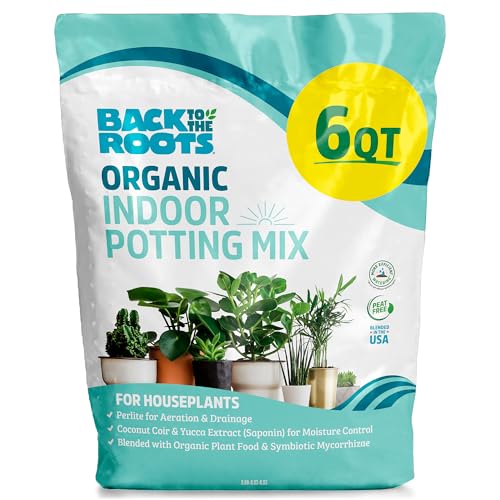
Includes 6qt of Back to the Roots Indoor Potting Mix. Our Potting Mix contains organic yucca extract that aids in retaining moisture in the soil which keeps your indoor plants happy and healthy
Caring for Young Guava Trees
For optimal growth and health, young guava trees require proper care and attention to thrive in their environment. To ensure the well-being of your young guava trees, consider the following:
- Pruning techniques: Regularly prune your young guava trees to encourage strong branching and shape the tree for optimal fruit production.
- Soil requirements: Guava trees thrive in well-draining soil with a pH ranging from 4.5 to 7.0. Ensure the soil is rich in organic matter and provides proper drainage for the young trees.
- Watering regimen: Young guava trees need consistent watering, especially during dry periods. However, be cautious not to overwater, as this can lead to root rot.
- Protection from pests and diseases: Monitor your young guava trees for signs of pests and diseases, and take appropriate measures to protect them from potential threats.
Troubleshooting Common Issues
If your young guava trees are experiencing issues, it's essential to identify and address them promptly to ensure their continued growth and health. Two common issues that may arise are related to soil moisture and pests/diseases. Here's a quick troubleshooting guide to help you address these problems:
| Issue | Solution |
|---|---|
| Soil Moisture | Ensure proper drainage to prevent waterlogging. Use a moisture meter to monitor soil moisture levels and adjust watering accordingly. |
| Pests and Diseases | Regularly inspect your guava trees for common pests and diseases such as fruit flies, aphids, or anthracnose. Use organic insecticides or fungicides as needed to control infestations. |
Conclusion
In time and with care, your efforts will yield a thriving guava tree, bearing delicious fruits for you to enjoy.
With the right preparation, germination, and attentive care, you can look forward to the rewarding experience of growing your own guava tree at home.
Happy gardening, and may your guava tree flourish and bring you joy for years to come.
