

Are your fruit trees looking a bit unruly? You’re not alone. Many Texas gardeners struggle with knowing the right time to trim their trees for optimal growth and fruit production. Timing can make all the difference between a bountiful harvest and a disappointing season.
In this article, you’ll discover the best practices for trimming your fruit trees in Texas. You’ll learn when to prune to encourage healthy growth and maximize your yield. With the right timing and techniques, you’ll be well on your way to enjoying a thriving orchard that produces delicious fruit year after year.
Key Takeaways
- Optimal Timing for Pruning: Trim fruit trees in Texas during late winter (December-February) for most species and late spring/early summer for citrus to encourage healthy growth and fruit production.
- Benefits of Trimming: Regular pruning improves airflow and sunlight penetration, leading to increased photosynthesis, healthier trees, and higher fruit yields.
- Effective Techniques: Utilize proper cutting techniques like thinning cuts, heading cuts, and pinching to promote vigorous growth and ensure quick healing post-pruning.
- Common Mistakes to Avoid: Steer clear of over-pruning, trimming at the wrong times, and neglecting tool maintenance to maintain tree health and maximize fruit output.
- Tool Importance: Use sharp, appropriate tools like pruning shears, loppers, and saws to ensure clean cuts and effective trimming, reducing the risk of disease and injury to the trees.
Importance Of Trimming Fruit Trees
Trimming fruit trees in Texas plays a crucial role in maintaining their health and productivity. Regular pruning promotes better air circulation and sunlight penetration, which are vital for photosynthesis and fruit development. By removing dead or diseased branches, you prevent the spread of pests and diseases that can harm the entire tree.
Improves Airflow and Sunlight
Better airflow reduces the risk of fungal diseases, while adequate sunlight encourages vibrant growth. An open canopy allows leaves to receive light and maximize photosynthesis. This balance results in sweeter, more abundant fruit.
Encourages New Growth
Trimming encourages new growth by stimulating dormant buds. Young, vigorous branches produce more fruit than older, less fruitful ones. You enhance fruit production and overall tree vitality by promoting this new growth.
Shapes the Tree
Shaping fruit trees is essential for easier maintenance and harvesting. Properly trimmed trees are easier to access, making it simple to gather fruit and care for the branches. A well-structured tree also reduces the risk of branch breakage during high winds or heavy fruit loads.
Reduces Competition
Trimming eliminates crowded branches that compete for nutrients. You ensure that the most productive areas of the tree receive the necessary resources by focusing energy on fewer, healthier branches. This practice leads to higher quality fruit.
Prevents Overgrowth
Regular trimming prevents overgrowth that can lead to poor fruit production. Overcrowded trees may produce smaller or inadequate fruit. By managing growth, you create a balanced, productive tree that yields high-quality fruit.
Best Times for Trimming
Understanding the best times to trim your fruit trees is essential. Early spring, just before new growth starts, is typically ideal for most fruit trees. Conversely, citrus trees benefit from trimming in late spring or early summer, after the harvest. Following these schedules maximizes benefits and minimizes stress on the trees.
Incorporating these practices into your fruit tree care routine ensures healthier trees and more fruitful harvests for your Texas garden.
Best Time To Trim Fruit Trees In Texas
Timing is crucial when trimming fruit trees in Texas. Proper scheduling improves tree health and fruit production. Follow these guidelines for effective trimming.
Recommended Products

CLEAN CUTS FOR LIVE GROWTH: Bypass blade design is ideal for pruning delicate flower stems and green growth, helping reduce crushing and plant damage while cutting stems and small branches up to 5/8” in diameter

· ULTRA-SHARP SK5 STAINLESS STEEL - Engineered with premium SK5 stainless steel, these heavy duty pruning shears deliver razor-sharp precision and maximum hardness. The rust-resistant blades are designed to stay sharp longer, effortlessly resisting corrosion and sap buildup for smooth, friction-free garden shears performance year after year.

LONG-LASTING SHARPNESS: Japanese SK5 bypass blade with titanium coating is tested through 5,000 cuts to maintain a sharp edge and deliver clean, consistent cuts on live stems and branches
Winter Trimming
Winter is an ideal time for pruning many fruit trees, as they are dormant during this season. Perform trimming between late December and early February. This timing allows for minimal stress on the trees and promotes healthy growth in the spring.
- Focus on Dead or Diseased Branches: Identify and remove any dead, damaged, or diseased wood to prevent further issues.
- Shape the Tree: Trim to enhance the tree’s shape, which improves sunlight exposure and air circulation, critical for healthy growth.
- Thin Crowded Areas: Eliminate overcrowded branches, ensuring that remaining branches receive adequate resources.
Summer Trimming
Summer trimming often targets specific types of fruit trees. For many citrus trees, prune in late spring or early summer after fruit sets. This helps control growth and encourages fruit production.
- Remove Suckers: Cut off vigorous shoots that grow from the base or trunk to focus energy on fruit-bearing branches.
- Keep It Light: Limit summer pruning to light trimming. Aim to remove only around 15% of the foliage to avoid shocking the tree.
- Monitor Growth: Ensure new growth remains manageable and does not overcrowd the tree canopy.
Adhering to these trimming schedules fosters healthy fruit trees that yield abundant harvests in your Texas garden.
Trimming Techniques For Fruit Trees
Trimming fruit trees involves specific techniques that promote healthy growth and fruit production. Proper cuts and the right tools make all the difference.
Recommended Products

IDEAL BRANCH TRIMMER: 28" Steel blade garden bypass lopper that glides through up to 1.5" thick branches for easy cuts; Works well for trimming tree branches to maintain your yard and garden, and to encourage overall plant health and appearance
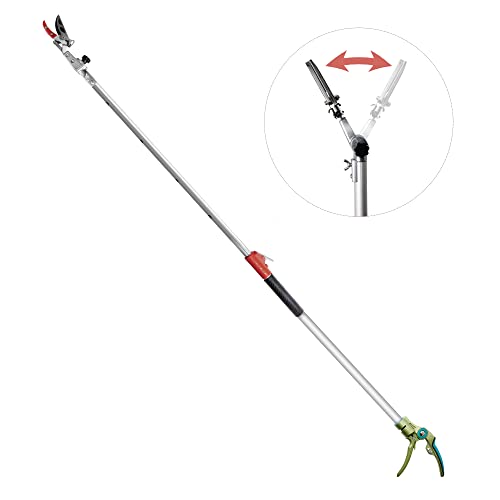
[Helpful Garden Tool] GARTOL brings to you a lightweight and extendable pruning tool to reach out to the least approachable arenas of your garden. You can conveniently get across other plants to remove the fastgrowing brambles and sting nettles without getting scratched or hurt. For gardening lovers, the telescopic pruner cutter head can can be rotated which resolves mobility issues and gives you the pleasure of trimming your garden without bending down or using a ladder to climb and cut them.

【Multi-purpose Tree Pruner】The telescopic pole pruner has a shearing function and can be used for picking fruit and trimming high branches. The sharp blade of the fruit picking rod can easily cut branches up to 1/2 inch in diameter, and the included serrated saw blade uses double-sided cutting technology, making it easy to cut through thicker tree trunks. Its versatile design makes it an indispensable tool for gardening.
Proper Pruning Cuts
Make clean cuts to ensure quick healing. Use the following types of cuts:
- Thinning Cuts: Remove entire branches at their base to improve air circulation and light penetration.
- Heading Cuts: Shorten branches to encourage bushier growth. Cut just above a bud or lateral branch.
- Pinching: Remove small tips of new growth to redirect energy into other areas. This method encourages multiple branches to flourish.
Aim for a 45-degree angle on cuts to prevent water accumulation and promote faster healing. Always sterilize your cutting tools before pruning to reduce the risk of disease transfer.
Tools Needed For Trimming
Using the right tools ensures effective and efficient trimming. Essential tools include:
- Pruning Shears: Ideal for small branches, typically up to ¾ inch in diameter.
- Loppers: Useful for larger branches, generally between ¾ inch and 1.5 inches. They provide extra leverage.
- Saw: A handsaw or pruning saw efficiently tackles thicker branches over 1.5 inches.
- Gloves: Protect your hands from cuts and scrapes while handling branches.
- Safety Goggles: Keep your eyes safe from debris during the trimming process.
Ensure your tools are sharp and well-maintained. This not only makes the job easier but also helps you make precise cuts that promote tree health.
Common Mistakes To Avoid
When trimming fruit trees, avoiding common mistakes ensures healthier trees and better fruit production. Here are key errors to steer clear of:
Trimming at the Wrong Time
Trimming during inappropriate seasons leads to suboptimal growth. Aim to prune in late winter for most fruit trees, between late December and early February. This timing promotes robust spring growth. For citrus trees, focus on late spring or early summer after fruit sets.
Over-Pruning
Over-pruning can shock your trees, hindering growth and fruiting. Limit foliage removal to about 15%. This practice retains enough leaves to support photosynthesis.
Neglecting Tool Maintenance
Using dull or dirty tools causes ragged cuts and increases disease risk. Always sterilize tools before pruning and keep them sharp. Proper maintenance allows for clean cuts that support tree health.
Removing Healthy Branches
Avoid cutting healthy branches during pruning. Focus on dead, diseased, or crowded areas. Healthy branches contribute to fruit production, so ensure you leave them intact.
Improper Cutting Techniques
Incorrect cutting angles can lead to water accumulation and slow healing. Aim for a 45-degree angle on cuts. Use thinning cuts to improve airflow and heading cuts to encourage bushier growth.
Ignoring Tree Shape
Neglecting the overall shape of your tree can lead to imbalanced growth. Shape your tree as you prune, promoting an open canopy. This structure allows better sunlight penetration and air circulation.
Skipping Preventative Care
Don’t skip preventative care before and after pruning. Apply appropriate treatments to prevent diseases and pests. Always monitor trees regularly for signs of issues.
By avoiding these common mistakes, you’ll foster healthier fruit trees, resulting in abundant harvests in your Texas garden.
Conclusion
Taking the time to properly trim your fruit trees can make all the difference in your garden. By following the right timing and techniques you’ll set your trees up for success. Remember that healthy trees lead to sweeter and more abundant fruit.
Stay mindful of the common mistakes to avoid and keep your tools in top shape. With a little care and attention your fruit trees will thrive and reward you with a bountiful harvest. Enjoy the process and happy gardening!
Frequently Asked Questions
When is the best time to prune fruit trees in Texas?
Pruning fruit trees in Texas is best done in late winter, between late December and early February, for most species. This timing minimizes stress and promotes healthy growth in spring. For citrus trees, pruning is recommended in late spring or early summer, after fruit sets.
Why is pruning important for fruit trees?
Pruning is vital for fruit trees as it enhances air circulation and sunlight exposure, promoting photosynthesis and fruit development. It removes dead or diseased branches, preventing pests and diseases, and stimulates new growth, leading to increased fruit production and overall tree health.
What tools are needed for pruning fruit trees?
Essential tools for pruning fruit trees include pruning shears, loppers, saws, gloves, and safety goggles. It’s important to maintain these tools and ensure they are sharp for precise cuts, which support tree health and encourage proper healing.
What techniques should I use when pruning?
When pruning, make clean cuts at a 45-degree angle to prevent water accumulation and promote healing. Use thinning cuts to improve air circulation, heading cuts to encourage bushier growth, and pinch back new growth to redirect energy effectively.
What mistakes should I avoid when pruning fruit trees?
Common mistakes to avoid include pruning at the wrong time, over-pruning, using dull or dirty tools, removing healthy branches, neglecting the tree’s shape, and skipping preventative care. Avoiding these pitfalls helps maintain healthier trees and better fruit yields.
