

Are your fruit trees thriving but looking a bit unruly? You’re not alone. Many Arizona gardeners face the challenge of knowing when to trim their trees for the best yield. Pruning at the right time can make a world of difference in the health and productivity of your trees.
Key Takeaways
- Pruning Timing: The best time to trim fruit trees in Arizona is during the dormant season, specifically from late December to early February, to promote healthy growth and minimize stress.
- Growth Cycles: Understand the growth cycles of fruit trees—prune deciduous trees while dormant and limit pruning during the growing season to remove only dead or diseased branches.
- Specific Tree Needs: Different types of fruit trees have unique pruning requirements; for instance, citrus trees thrive with late winter pruning, while stone fruits like cherries benefit from late winter trimming.
- Optimal Weather Conditions: Choose dry, mild days for pruning to prevent disease. Prune when temperatures are above 50°F and avoid extremes to ensure effective healing.
- Essential Tools: Utilize proper pruning tools, including hand pruners, loppers, and pruning saws, to enhance efficiency and effectiveness while maintaining safety.
- Techniques for Success: Focus on shaping and thinning trees to improve airflow and light penetration, and always conduct regular checks to ensure ongoing tree health.
Understanding Fruit Tree Growth Cycles
Fruit trees in Arizona follow distinct growth cycles that dictate when you should trim them. Understanding these cycles ensures effective pruning and enhances fruit production.
Dormant Season
- Identification: The dormant season typically lasts from late fall to early spring. During this time, trees are not actively growing.
- Timing: Aim to prune from late December to early February. This period minimizes stress on the trees and encourages vigorous growth in spring.
- Benefits: Pruning while dormant promotes healthy buds and reduces the risk of disease.
Growing Season
- Observation: The growing season occurs from spring through summer. Trees actively produce leaves and blossoms.
- Pruning Tip: Avoid heavy pruning during this time. If necessary, remove dead or diseased branches only.
- Impact: Excessive trimming can hinder fruit development and overall growth.
Post-Harvest
- Schedule: After harvesting fruit, usually in late summer or early fall, consider light pruning. Focus on shaping the tree and removing any weak branches.
- Importance: This practice helps the tree prepare for dormancy, maintaining its structure for the next growing season.
- Citrus Trees: Trim citrus trees in late winter or early spring to avoid cold damage.
- Stone Fruits: For cherries and peaches, prune in late winter for optimal fruit yield and quality.
- Apple and Pear Trees: Best pruned in late winter or early spring to facilitate healthy growth.
Taking advantage of these growth cycles ensures your fruit trees thrive in Arizona’s climate. Adjusting your pruning schedule according to the season enhances production and maintains tree health.
Best Time to Trim Fruit Trees in Arizona
Timing fructifies growth and health in your fruit trees. Knowing when to trim your trees can lead to lush foliage and a bountiful harvest.
Recommended Products

1:EXTENDABLE REACH FOR LADDER-FREE SAFETY – Acting as both a reliable tree pruner and a fruit picker pole, this tool effortlessly extends from 3.28 to 5.25 FT to reach high branches up to 10 FT from the ground. The innovative rotating and locking head allows for precise angles without unstable ladders or risky stretching, ensuring maximum safety.

UPGRAFE PROFESSIONAL GARDENING GRAFTING TOOLS: Professional grafting set, including 2 in 1 grafting pruning tools, 3 replaceable blades, a grafting knife, a pruning shears, a screwdriver, a wrench, 3 grafting films, and 45 colorful tag cards

2 in 1 Grafting Pruning Pliers: The sharp and durable stainless steel blade with a anti-skid handle allows you to cut scion and stock better
Seasonal Considerations
Focus on the dormant season for major pruning. Late December through early February serves as the ideal window, as trees are less stressed and capable of recovery. Citrus trees benefit from late winter pruning, while stone fruits like cherries and peaches thrive with late winter trimming. Apple and pear trees also prefer this time. In contrast, during the growing season, limit pruning to removing dead or diseased branches. This helps maintain productivity without interrupting growth.
Optimal Weather Conditions
Choose a day to prune when the weather is dry and mild. Wet conditions can promote disease in freshly cut branches. Aim for temperatures above 50°F for effective healing. Avoid pruning during freezes or extreme heat. Monitoring local weather forecasts helps ensure you select the best day for your tree’s health.
Types of Fruit Trees
Understanding the types of fruit trees common in Arizona helps in determining proper maintenance schedules, including when to trim. Arizona’s climate accommodates both deciduous and evergreen fruit trees, each requiring specific care.
Recommended Products
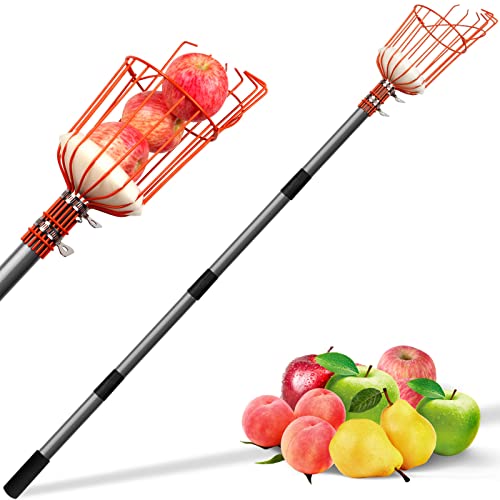
【Gentle Harvesting& Less Bruising】:This fruit picker basket features a cushioned foam pad that gently absorbs impact when fruits drop, helping reduce bruising and damage. The large-capacity metal basket is suitable for fruits ranging from 1-5.5 inches in diameter. Such as apples, mangoes, cherries, and other fruits, it ensures cleaner and safer picking with less waste.

【Surgical-Precision Grafting Tools】 Crafted with Japanese SK5 High-Carbon Steel blades (HRC 58-60 hardness) and ergonomic ABS handles, our 2-in-1 pruner delivers clean cuts up to 1/2" diameter branches. Dual-edge Ω/U/V blades prevent stem crushing, boosting grafting success rates by 40%* (*lab test data).

Deciduous Fruit Trees
Deciduous fruit trees shed their leaves in winter and flourish during the warmer months. Common examples include peach, cherry, and apple trees. These trees thrive in Arizona’s climate but require careful pruning to ensure health and productivity.
- Pruning Time: Trim deciduous trees between late December and early February during their dormant phase. This timing reduces stress and promotes vigorous growth.
- Pruning Techniques: Remove dead, damaged, or crossing branches to improve airflow and light penetration. Aim for an open center to enhance fruit development.
- Aftercare: Mulch around the base and water regularly to support new growth after pruning.
Evergreen Fruit Trees
Evergreen fruit trees retain their foliage year-round and include varieties like citrus, fig, and pomegranate. These trees also flourish in Arizona but require different pruning practices.
- Pruning Time: Prune evergreen trees in late winter or early spring. This encourages healthy growth and fruit production without damaging new leaves.
- Pruning Techniques: Focus on shaping the tree and removing any unhealthy branches. Take care not to over-prune, as this can stress the tree.
- Aftercare: Ensure adequate irrigation during the growing season and apply fertilizer as needed to support growth.
By distinguishing between deciduous and evergreen fruit trees, you can adapt your pruning techniques to optimize their health and fruit yield effectively.
Tools and Techniques for Trimming
Proper tools and techniques enhance pruning efficiency and effectiveness, promoting healthy growth and fruit production.
Recommended Products

★ 1. What you get: Professional convenient grafting tool set including a dual-use grafting pruner tool contain 2 extra replaceable blades, a wrench and a screwdriver, along with 36pcs wide rubber bands, 150 thick rubber bands and 1 grafting tape, packed in a black wallet to meet all your needs

✂Multifunctional -2 in 1 Garden Grafting Tools-Professional grafting set allows you to pruning and grafting at the same time, saving more time and effort than traditional grafting methods, easy to use and more efficient. It allows you to trim away excess leaves and twigs and prepare the plants to be grafted. At the same time, you can make a precise cut into the grafting stock with the special grafting blade.

Pruning Trees Shrubs and Vines No 54 By Gardenway Editors
Essential Tools
- Hand Pruners: For branches up to ¾ inches thick, these remain vital. Look for sharp blades and comfortable grips.
- Loppers: Suitable for thicker branches, loppers provide extra leverage. Choose ones with long handles for better reach.
- Pruning Saw: When tackling branches over 2 inches, a pruning saw works best. Look for a lightweight option with a sturdy blade.
- Pole Pruner: Use this for hard-to-reach branches high up. They often come with adjustable poles and cutting saw attachments.
- Safety Gear: Protect your eyes and hands. Wear gloves and safety glasses to prevent injuries during trimming.
- Timing: Trim during the dormant season to minimize stress. Late December to early February works best for most trees.
- Angle Cuts: Make slanted cuts just above a bud. This allows water to run off, reducing the risk of rot.
- Remove Dead Branches: Start with dead or diseased branches. This encourages healthier growth and improves airflow.
- Thinning: Thin out crowded branches to increase light penetration. Aim for a more open canopy to support fruit development.
- Shaping: Use light pruning after harvest to shape the tree. Maintain a balanced appearance for better fruit load distribution.
- Regular Maintenance: Perform annual checks to ensure ongoing health. Remove any new growth that appears dead or diseased.
With the right tools and techniques, you can maintain the health and productivity of your fruit trees in Arizona.
Conclusion
Taking the time to properly trim your fruit trees can make a world of difference in their health and productivity. By understanding the unique growth cycles of your trees and knowing when to prune, you’re setting yourself up for a bountiful harvest.
Remember to focus on the dormant season for major cuts and keep your pruning light during the growing season. Using the right tools and techniques will not only make the process easier but also ensure your trees thrive.
With a little care and attention, your fruit trees will flourish in Arizona’s climate, providing you with delicious fruit for years to come. Happy gardening!
Frequently Asked Questions
What is the best time to prune fruit trees in Arizona?
Pruning fruit trees in Arizona should generally occur during the dormant season, specifically between late December and early February. This timing minimizes stress on the trees and promotes healthy growth. Light pruning can also be done after harvesting in late summer or early fall.
How often should I prune my Arizona fruit trees?
Pruning frequency depends on the type of tree and its condition. Deciduous trees should be pruned once a year during dormancy. Evergreen trees, such as citrus, may also require annual pruning, focusing on shaping and removing unhealthy branches.
Why is pruning important for fruit trees?
Pruning enhances fruit tree health and productivity by removing dead or diseased branches, improving airflow, and allowing better light penetration. Proper pruning encourages robust growth, helps manage tree shape, and increases fruit yields.
What tools do I need for pruning fruit trees?
Essential tools for pruning include hand pruners for small branches, loppers for thicker ones, pruning saws for larger branches, and pole pruners for hard-to-reach areas. Always wear safety gear such as gloves and goggles for protection.
Can I prune fruit trees during the growing season?
Pruning during the growing season should be minimized to avoid hindering fruit development. Focus on removing dead or diseased branches only. Some light shaping can be done after harvest but should remain limited to maintain the tree’s health.
How do weather conditions affect pruning?
Pruning should ideally be done on dry, mild days with temperatures above 50°F. Good weather conditions promote effective healing and reduce the risk of disease, making it easier for the tree to recover from pruning cuts.
What’s the difference between deciduous and evergreen fruit trees?
Deciduous fruit trees, like peaches and cherries, lose their leaves in winter and should be pruned during dormancy. Evergreen trees, such as citrus, keep their leaves year-round and require pruning in late winter or early spring for shaping and health.
How can I care for my trees after pruning?
After pruning, care for deciduous trees by applying mulch and ensuring regular watering, while evergreen trees benefit from adequate irrigation and fertilization. Regular maintenance checks will help keep your trees healthy and thriving.
