

Have you ever wondered why your fruit trees aren’t thriving like you’d hoped? You’re not alone. Many gardeners face challenges with nutrient deficiencies, and it can be tough to know how to give your trees the boost they need.
Key Takeaways
- Understand the Role of Epsom Salt: Epsom salt (magnesium sulfate) provides essential magnesium and sulfur, promoting healthy growth and fruit quality in fruit trees.
- Optimal Application Timing: Apply Epsom salt from early spring to late summer, focusing on key periods like early spring, before flowering, and during fruit development for maximum effectiveness.
- Application Methods: Utilize granular application around the base of the tree, foliar sprays on leaves, or incorporate it into the soil when planting for the best results.
- Dosage Guidelines: Use about 1 tablespoon of Epsom salt per foot of tree height for granular application, and for foliar sprays, mix 1 tablespoon with 1 gallon of water every 4-6 weeks.
- Monitor for Deficiencies: Look for signs like yellowing leaves or poor fruit development to determine if your trees need Epsom salt supplementation.
- Be Cautious with Application: Avoid over-application to prevent nutrient imbalances and toxic symptoms in trees, ensuring a balanced approach to nutrition.
Understanding Epsom Salt
Epsom salt, or magnesium sulfate, plays a vital role in tree health. It contains magnesium and sulfur, crucial nutrients for fruit trees. Magnesium aids in photosynthesis, helping trees convert sunlight into energy. Sulfur supports essential amino acids and enzymes, promoting overall growth.
You might wonder when to apply Epsom salt and how much to use. Apply it primarily during the growing season, from early spring to late summer. It boosts nutrient uptake, enhances fruit quality, and helps prevent deficiencies.
Application Methods
- Granular Application: Sprinkle 1 to 2 tablespoons of Epsom salt around the tree’s base, keeping it a few inches from the trunk. Water it in well to allow absorption.
- Foliar Spray: Mix 1 tablespoon of Epsom salt with 1 gallon of water. Spray this solution on the leaves in the early morning or late afternoon, avoiding direct sunlight to prevent leaf burn.
- Soil Amendment: Incorporate Epsom salt into the soil before planting new trees for improved initial growth.
- Yellowing Leaves: If leaves turn yellow between veins, your tree might lack magnesium.
- Poor Fruit Development: Small, misshapen, or bitter fruit can indicate nutrient deficiencies.
- Stunted Growth: If your trees grow slower than expected, consider supplementing with Epsom salt.
Epsom salt offers an economical way to enhance the health of your fruit trees. Understanding its benefits and application methods helps ensure you support your trees effectively.
Benefits of Epsom Salt for Fruit Trees
Epsom salt offers multiple advantages for the health and productivity of fruit trees. Its main components, magnesium and sulfur, play critical roles in tree growth and fruit development.
Recommended Products

SHIPMENT CONTAINS: One 3-pound resealable bag of fragrance free epsom salt for relaxing baths and soaks
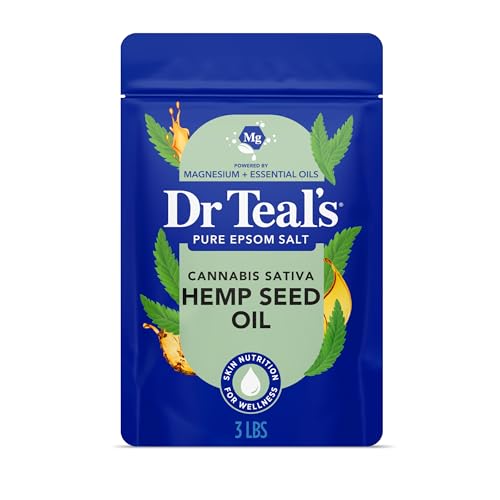
POWERED BY MAGNESIUM: Dr Teal's Pure Epsom Salt (Magnesium Sulfate) relaxes the body & helps reduce stress

PREMIUM QUALITY INGREDIENTS – Cz Garden Magnesium Sulfate is a water soluble, high purity fertilizer designed to boost the healthy development of all your indoor flowers, lawn, and garden vegetables.
Magnesium and Sulfur Importance
Magnesium promotes chlorophyll production, which enhances photosynthesis. When trees absorb sufficient magnesium, they convert sunlight into energy effectively. This energy fuels growth and improves overall vigor. Sulfur, on the other hand, helps in the formation of essential amino acids and proteins. These compounds are vital for the tree’s metabolic functions. A deficiency in either nutrient can lead to issues like yellowing leaves and stunted growth. Regular application of Epsom salt can replenish these nutrients, ensuring your fruit trees thrive.
Enhancing Fruit Quality and Yield
Epsom salt can significantly improve the quality and size of the fruit produced. When applied correctly during the growing season, it enhances flavor, increases sweetness, and promotes vibrant color in fruit. For example, trees treated with Epsom salt may yield larger apples or juicier peaches. This not only benefits your garden but also boosts your harvest during peak seasons. Using Epsom salt as part of your regular care routine can transform your fruit trees into more productive and resilient plants, ensuring an abundant and high-quality fruit harvest.
When to Apply Epsom Salt to Fruit Trees
Applying Epsom salt at the right time maximizes its benefits for your fruit trees. Timing plays a crucial role in ensuring your trees effectively absorb the nutrients.
Recommended Products

PREMIUM QUALITY INGREDIENTS – Cz Garden Magnesium Sulfate is a water soluble, high purity fertilizer designed to boost the healthy development of all your indoor flowers, lawn, and garden vegetables.
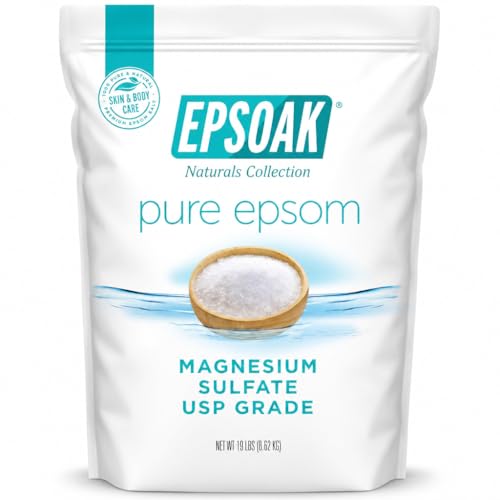
100% PURE EPSOM SALT (MAGNESIUM SULFATE USP): Unscented Epsom salt made with magnesium sulfate USP for a clean, simple soak with no added fragrance.

AGRICULTURAL GRADE EPSOM SALT (MAGNESIUM SULFATE): High-quality magnesium sulfate designed for outdoor use to support healthy plant growth and soil balance.
Timing for Maximum Effectiveness
Apply Epsom salt during key growth periods for optimal results. The best times include:
- Early Spring: As new growth begins, Epsom salt aids in leaf and flower development.
- Before Flowering: Apply just before fruit trees bloom for enhanced flower vitality.
- During Fruit Development: Mid to late summer applications support fruit size and flavor.
Spread Epsom salt around the base of the tree, applying about 1 tablespoon per foot of tree height. Water it in to help with absorption.
Seasonal Considerations
Be mindful of seasonal changes when applying Epsom salt. Each season presents unique needs:
- Spring: Focus on promoting growth and flowering; this is the primary application period.
- Summer: Monitor for signs of magnesium deficiency, such as yellowing leaves, and reapply if necessary.
- Fall: A light application before the end of the growing season helps prepare trees for winter.
Understand your local climate conditions, as they can affect nutrient uptake. Warmer climates may require more frequent applications, while cooler regions may benefit from just one or two treatments per year.
How to Apply Epsom Salt
Epsom salt application is straightforward and effective for improving fruit tree health. Here are the methods and dosage you’ll want to follow.
Application Methods
- Granular Application: Spread Epsom salt granules around the base of your fruit trees. This method allows nutrients to dissolve slowly, ensuring consistent absorption. Make sure to keep the granules a few inches away from the trunk to prevent burning the roots.
- Foliar Spray: Dissolve 1 tablespoon of Epsom salt in 1 gallon of water. Use a sprayer to apply this solution directly on the leaves. This method provides rapid nutrient uptake through the foliage, making it ideal during periods of visible deficiency.
- Soil Amendment: Mix Epsom salt into the soil when planting or repotting fruit trees. Incorporating it into the soil helps establish a nutrient-rich environment right from the start.
Recommended Dosage
For optimal results, adhere to these dosage guidelines:
- For granular applications, use 1 tablespoon of Epsom salt for every foot of tree height. For example, a 6-foot tree would receive 6 tablespoons.
- For foliar sprays, mix 1 tablespoon of Epsom salt in 1 gallon of water. Apply this mixture every 4-6 weeks during the growing season.
- When planting or amending soil, mix 1-2 cups of Epsom salt into the planting hole.
Water the trees thoroughly after application for better nutrient absorption. Always tailor your application frequency and amount based on your trees’ specific needs and the observed symptoms of nutrient deficiencies.
Potential Risks and Considerations
Applying Epsom salt can benefit your fruit trees, but some risks and considerations exist. Knowing these helps you make informed decisions for your plants.
Over-Application
Over-application of Epsom salt can lead to nutrient imbalances. Too much magnesium may interfere with calcium uptake, causing issues like blossom end rot in fruits. Monitor your trees’ responses after application to avoid this problem.
Soil pH Effects
Epsom salt can impact soil pH levels. If your soil is too alkaline, adding Epsom salt may worsen the issue. Regularly test soil pH to maintain an appropriate balance for optimal fruit tree health.
Signs of Toxicity
Watch for signs of toxicity in your trees. Symptoms can include brown leaf tips, stunted growth, and poor fruit quality. If you notice these symptoms, consider adjusting your Epsom salt usage or seeking professional advice.
Local Climate Conditions
Local climate affects how fruit trees absorb nutrients. In overly wet or dry conditions, Epsom salt’s effectiveness may decrease. Monitor weather patterns and adjust your application timing accordingly for the best results.
Compatibility with Other Fertilizers
Epsom salt may not be compatible with all fertilizers. Mixing certain products can cause harmful reactions. Research compatibility before combining Epsom salt with other soil amendments or fertilizers.
Conclusion Reminder
These potential risks and considerations highlight the importance of careful application. Regular monitoring of your fruit trees will help ensure that you’re using Epsom salt effectively and safely.
Conclusion
Applying Epsom salt to your fruit trees can make a world of difference in their health and productivity. By timing your applications right and using the recommended methods, you can ensure your trees get the nutrients they need to thrive.
Keep an eye on those telltale signs of deficiency and adjust your approach based on your tree’s specific needs. With a little care and attention, your fruit trees will reward you with vibrant growth and delicious fruit. Happy gardening!
Frequently Asked Questions
What is Epsom salt and how does it help fruit trees?
Epsom salt, or magnesium sulfate, is a natural mineral that provides essential nutrients like magnesium and sulfur. Magnesium aids in photosynthesis, while sulfur supports vital amino acids and enzymes. This combination helps promote tree vigor, improve fruit quality, and enhance overall growth.
When should I apply Epsom salt to my fruit trees?
It is best to apply Epsom salt during the growing season, specifically in early spring before flowering and during mid to late summer for fruit development. Regular monitoring for deficiencies throughout the season is also recommended.
How do I apply Epsom salt to my trees?
You can apply Epsom salt in several ways: scatter 1 tablespoon per foot of tree height around the base, mix 1 tablespoon in 1 gallon of water for a foliar spray every 4-6 weeks, or incorporate 1-2 cups into the planting hole when establishing new trees.
What signs indicate a nutrient deficiency in fruit trees?
Common signs of nutrient deficiency include yellowing leaves, poor fruit development, and stunted growth. If you observe these symptoms, consider using Epsom salt to replenish necessary nutrients.
Are there any risks associated with using Epsom salt?
Yes, over-application of Epsom salt can lead to nutrient imbalances and issues such as blossom end rot. It’s essential to monitor your trees closely and avoid exceeding recommended dosages to ensure their health and safety.
Can Epsom salt be used with other fertilizers?
Epsom salt may not be compatible with all fertilizers. It’s important to research compatibility before mixing products to avoid potential negative interactions. Regular monitoring of tree health is key to successful fertilization.
How does Epsom salt affect soil pH?
Epsom salt can slightly alter soil pH, which may impact nutrient availability. It’s advisable to test your soil pH regularly to ensure the proper balance is maintained, allowing your fruit trees to thrive effectively.
