

Growing avocado trees in Denver, CO is feasible with the right techniques. High altitude conditions require specific care to ensure successful growth and fruit production.
Denver Climate Challenges for Avocado Growth
Growing avocado trees in Denver presents unique challenges due to the region’s high altitude and variable climate. The cold winters, intense sunlight, and occasional frost can hinder the healthy development of these tropical plants. Understanding these specific climate factors is crucial for successful avocado cultivation in this mountainous area.
Denver’s climate presents unique challenges for growing avocado trees. The city experiences high altitude, significant temperature fluctuations, and low humidity. These factors can stress the trees if not properly managed.
To thrive, avocado trees need protection from frost, especially during the colder months. Selecting the right variety, such as the Hass avocado, can improve your chances of success. This variety is more tolerant of cooler temperatures and is well-suited for container growth.
Ideal Avocado Varieties for Denver’s Climate
Selecting the right avocado varieties is crucial for successful growth in Denver’s unique climate. High altitude and fluctuating temperatures can challenge even the most seasoned gardeners. This section explores the ideal avocado types that thrive in these conditions, ensuring a fruitful harvest in the Mile High City.
Selecting the right avocado variety is crucial for successful growth in Denver’s climate. Different varieties have varying levels of cold tolerance and growth habits.
| Variety | Cold Tolerance | Growth Habit | Best for Container |
|---|---|---|---|
| Hass | 25°F | Upright | Yes |
| Bacon | 20°F | Spreading | Yes |
| Fuerte | 28°F | Upright | Yes |
| Pinkerton | 25°F | Spreading | Yes |
Hass avocados are the most popular and widely grown due to their rich flavor and creamy texture. Bacon and Fuerte varieties can also be good options if you want to experiment with different tastes.
Soil Preparation Techniques for Avocado Trees
Preparing the right soil is crucial for successfully growing avocado trees in Denver’s unique high-altitude environment. The right mix of nutrients and proper drainage can significantly impact the health and productivity of your trees. This section outlines effective soil preparation techniques tailored to meet the specific needs of avocado cultivation in this challenging region.
Soil preparation is essential for the health of your avocado trees. The right soil mix promotes drainage and nutrient availability.
A well-draining soil mix is vital to prevent root rot. Consider using a blend of the following:
Potting soil for structure
Perlite for aeration
Compost for nutrients
Mix these components in a ratio of 2:1:1 to create an optimal growing medium. Regularly test soil pH, aiming for a range between 6 and 7 for best results.
Recommended Products

All-Natural: Special blend for growing avocados in containers or as houseplants

🥑 100% Natural Organic Potting Mix: Our Omitgoter Avocado Soil is a premium blend of peat moss, coconut coir, perlite, bark, and humus—100% natural with no synthetic additives.
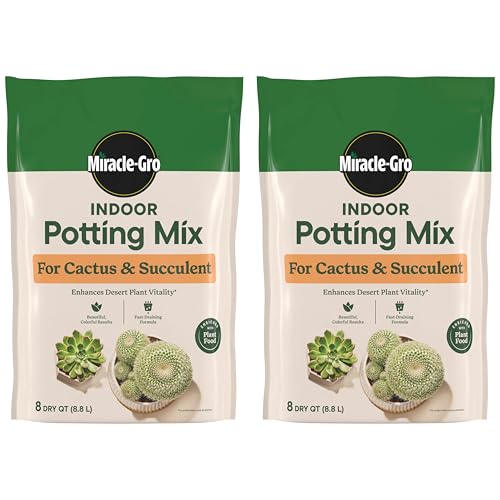
Miracle-Gro Indoor Potting Mix for Cactus and Succulent is enriched with Miracle-Gro Plant Food and enhances desert plant vitality (vs unfed plants when used as directed)
High Altitude Watering Strategies for Avocados
Watering avocado trees in Denver’s high altitude requires careful consideration due to the unique climate and soil conditions. Understanding the best practices for watering can significantly impact the health and growth of these trees, ensuring they thrive despite the challenges posed by altitude. This section explores effective watering strategies tailored specifically for cultivating avocados in this environment.
Proper watering techniques are critical for avocado trees in Denver. High altitude can lead to rapid evaporation, making consistent moisture essential.
Water deeply once a week to encourage deep root growth.
Use mulch to retain soil moisture and regulate temperature.
Monitor for signs of overwatering, such as yellowing leaves.
Adjust your watering schedule based on seasonal changes. During hot summer months, trees may require more frequent watering.
Cold Protection Strategies for Avocado Trees
In Denver’s unique climate, protecting avocado trees from cold temperatures is essential for successful growth. This section explores effective strategies to shield these delicate plants from frost and ensure their survival through the harsh winter months. By implementing these techniques, gardeners can foster a thriving avocado tree in high-altitude conditions.
Cold protection is vital for the survival of avocado trees in Denver. Frost can damage young trees and affect fruit production.
Use frost cloths to cover trees during cold snaps.
Plant in a sheltered area to minimize wind exposure.
Consider container planting for mobility and protection.
Moving containers indoors or to a garage during extreme cold can save your trees from frost damage.
Recommended Products

The Large plant cover is perfect for Plant size 55''-70"high and 84''-94" round, Heavy-weight FRCs (1.77oz./sq. yard): usually used to extend the growing season in spring and fall, allow 40%-60% light transmittance, and recommend 3°-8°F of freeze protection
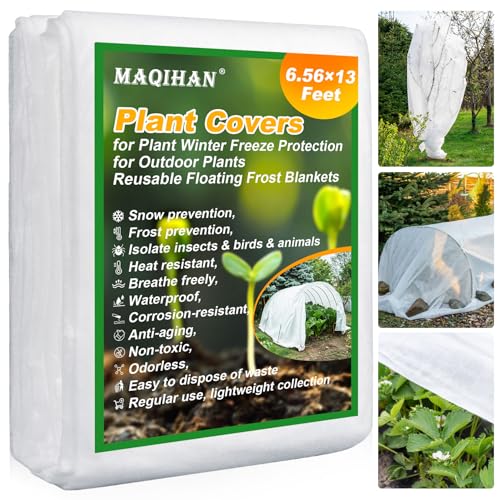
Product Features: Our plant covers are ideal for protecting all plant. Made from premium 1 oz/sq non-woven fabric, their durability and breathability ensuring both insulation against frost and facilitation of sunlight penetration for healthy plant growth

Revolutionary Anti-freeze Protection: Plant covers freeze protection is made of 100% Reliable non-woven thickened polypropylene fabric Because the frost cloth fabric Thickness is 3.2 oz/yd² thicker and warmer, tear resistant than less expensive 1.3 oz/yd² fabric. Provides up to 2° F(-17℃) frost protection. In winter, frost blankets for outdoor plants can form a insulation layer for plants to isolate cold air and retain the oxygen required for plant respiration
Fertilization Techniques for Avocado Trees
Fertilizing avocado trees is crucial for their growth, especially in Denver’s unique high-altitude environment. Proper nutrient management not only supports healthy foliage and fruit production but also helps the trees adapt to the region’s specific soil conditions. Understanding effective fertilization techniques can significantly enhance your success in cultivating these beloved trees.
Fertilizing is essential for the health of your avocado trees. Proper nutrients support growth and fruit production.
Use a balanced fertilizer high in nitrogen during the growing season.
Apply every 6-8 weeks from spring to early fall.
Reduce feeding in winter months when trees are dormant.
Regular fertilization helps maintain soil health and ensures your trees receive necessary nutrients.
Pruning Techniques for Healthy Avocado Trees
Pruning is essential for maintaining the health and productivity of avocado trees, especially in the unique conditions of Denver’s high altitude. By employing the right techniques, growers can enhance air circulation, light penetration, and overall tree structure, ensuring robust growth and fruit production. This section will explore effective pruning methods tailored for avocado trees in this challenging environment.
Pruning is an important aspect of maintaining healthy avocado trees. Regular pruning encourages better air circulation and sunlight penetration.
Remove dead or damaged branches to promote new growth.
Thin out crowded areas to improve airflow.
Shape the tree to encourage a strong central leader.
Pruning should be done in late winter or early spring before new growth begins.
Recommended Products

PROFESSIONAL GARDENING GRAFTING TOOLS: Including 2 in 1 grafting pruning tools, 3 replaceable blades, a grafting knife, a screwdriver, a wrench, 2 grafting films, 160 rubber bands, 40 wide rubber bands, and 50 colorful tag cards

Heat-Treated Serrated Saw Blade: 8" saw blade designed for efficient cutting of branches and tough materials, ensuring sharpness and durability.

▲【Large Fruit Picker Basket with Claw】Our fruit picker rake comes with metal twist on head basket( 9"x5.5"x5.5") for picking avocado, tangerines, apple, persimmon, grapefruit, mango, apple, pear, fig, orange, papaya,mandarins, lemons, jujubes and more fruit in four seasons.
Avocado Tree Problem-Solving Techniques
Growing avocado trees in Denver’s high altitude presents unique challenges that require specific problem-solving techniques. From managing temperature fluctuations to addressing soil conditions, understanding these issues is essential for successful cultivation. This section explores effective strategies to overcome common obstacles and ensure healthy avocado tree growth in this distinct environment.
Identifying and addressing common issues can enhance your success with avocado trees.
| Issue | Symptoms | Solution |
|---|---|---|
| Root rot | Wilting, yellowing leaves | Improve drainage, reduce watering |
| Leaf drop | Yellowing leaves | Check for pests, adjust watering |
| Pest infestation | Holes in leaves | Use insecticidal soap or neem oil |
Regular monitoring and prompt action can prevent minor issues from becoming major problems.
High-Altitude Avocado Garden Techniques
Growing avocado trees in Denver’s high altitude presents unique challenges and opportunities. Understanding specific techniques tailored to this environment can significantly enhance your chances of success. This section delves into effective strategies for cultivating healthy avocado trees that thrive despite the region’s distinct climate and elevation.
Establishing a thriving avocado garden requires attention to detail and ongoing care.
Choose the right varieties for your climate.
Prepare quality soil and maintain proper watering.
Protect trees from cold and pests.
With the right techniques, growing avocado trees in Denver can lead to a fruitful and rewarding gardening experience.
