

Are your fruit trees looking a bit unruly? You’re not alone. Many gardeners in Zone 5 struggle with knowing the right time to prune their trees for the best yield. Pruning can seem daunting, but it’s essential for healthy growth and abundant fruit.
Key Takeaways
- Optimal Pruning Times: Prune fruit trees in Zone 5 during late winter to early spring while dormant and consider light summer pruning for corrective measures.
- Benefits of Pruning: Regular pruning enhances air circulation, boosts new growth, and improves sunlight exposure, leading to healthier trees and increased fruit quality.
- Pruning Techniques: Thinning and heading back are effective methods; thinning opens up the canopy, while heading back encourages bushier growth.
- Use Clean Tools: Always use sharp, sterile tools to minimize disease transmission and ensure clean cuts.
- Monitor Tree Health: Look for signs like a dense canopy or weak growth to determine when pruning is necessary for maintaining optimal health.
- Weather Considerations: Prune in dry weather and avoid extreme cold to minimize stress and prevent disease on your fruit trees.
Understanding Pruning
Pruning fruit trees enhances growth and fruit production in Zone 5. It involves removing specific branches to improve tree structure, health, and air circulation.
Recommended Products

★ 1. What you get: Professional convenient grafting tool set including a dual-use grafting pruner tool contain 2 extra replaceable blades, a wrench and a screwdriver, along with 36pcs wide rubber bands, 150 thick rubber bands and 1 grafting tape, packed in a black wallet to meet all your needs

Effortless Tree Cutting Operation: Designed for smooth and easy cutting of fruit trees, allowing you to finish girdling work with less effort

Pruning Trees Shrubs and Vines No 54 By Gardenway Editors
Benefits of Pruning
- Promotes Air Circulation: Open canopies allow wind to flow through, reducing disease.
- Encourages New Growth: Cutting back old wood stimulates the growth of new shoots and fruit spurs.
- Improves Sunlight Exposure: Sunlight reaches more leaves, optimizing photosynthesis and fruit quality.
When to Prune
- Late Winter to Early Spring: Prune during dormancy before buds swell. This timing minimizes stress and promotes faster healing.
- Summer Pruning: Light pruning in summer can correct growth issues and enhance sunlight penetration.
How to Prune Effectively
- Use Clean Tools: Always use sharp, sterile tools to prevent disease transmission.
- Follow the 1/3 Rule: Never remove more than one-third of the tree’s canopy in a single season.
- Make Clean Cuts: Aim for smooth cuts just above a bud or lateral branch to encourage healthy regrowth.
Common Pruning Techniques
- Thinning: Remove entire branches to open up the tree and improve light and air circulation.
- Heading Back: Cut branches back to a bud to encourage bushier growth and enhance fruiting.
Signs of Possible Pruning Needs
- Dense Canopy: If branches are crowded, the tree likely needs thinning.
- Dead or Diseased Wood: Remove any brown, brittle branches immediately to prevent disease spread.
- Weak Growth: If you notice spindly, leggy branches, consider cutting them back to encourage stronger growth.
- Bypass Pruners: Ideal for small branches, allowing for clean cuts.
- Loppers: Useful for thicker branches that pruners can’t handle.
- Saw: Needed for larger tree limbs to ensure a smooth cut.
Understanding these pruning principles allows you to maximize the health and productivity of your fruit trees, making your gardening experience more rewarding.
Importance Of Pruning Fruit Trees
Pruning fruit trees plays a vital role in maintaining their health and productivity. Understanding the importance of pruning can enhance your gardening experience and lead to abundant harvests.
Recommended Products
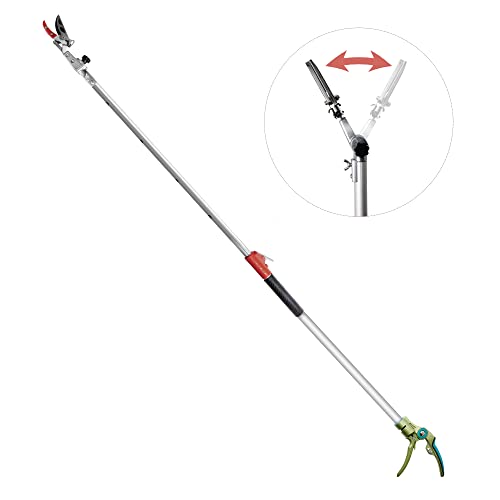
[Helpful Garden Tool] GARTOL brings to you a lightweight and extendable pruning tool to reach out to the least approachable arenas of your garden. You can conveniently get across other plants to remove the fastgrowing brambles and sting nettles without getting scratched or hurt. For gardening lovers, the telescopic pruner cutter head can can be rotated which resolves mobility issues and gives you the pleasure of trimming your garden without bending down or using a ladder to climb and cut them.


[Cut & Hold Pole Pruner for Tree Trimming] This long reach cut and hold pruner makes it easy to grip and remove branches, flowers, or fruit without dropping them. Perfect as a pole fruit picker for harvesting lemons, oranges, apples, or persimmons, and for trimming shrubs and bushes without climbing a ladder.
Benefits Of Proper Pruning
- Encourages Healthy Growth: Proper pruning removes dead or diseased branches. This action helps the tree allocate resources to healthier parts, promoting vigorous growth.
- Improves Fruit Production: Well-pruned trees typically yield more fruit. Removing excess branches allows sunlight to reach all parts of the tree, boosting fruit quality and quantity.
- Enhances Air Circulation: Thinning dense canopies improves airflow. Better ventilation decreases moisture levels, reducing the risk of fungal infections.
- Facilitates Sunlight Exposure: Pruning allows light to penetrate deeper into the tree’s structure. This exposure is crucial for photosynthesis, leading to healthier trees and richer fruits.
- Shapes Tree Structure: Pruning helps maintain an ideal tree form. A well-structured tree is easier to harvest and less susceptible to damage from wind or heavy fruit loads.
- Reduced Yield: Untended trees often produce fewer fruits. Overcrowded branches compete for nutrients and sunlight, leading to smaller or less flavorful harvests.
- Increased Disease Risk: Dense foliage traps moisture, creating a conducive environment for pests and diseases. Neglecting to prune allows problems to escalate.
- Weak Tree Structure: Without pruning, trees can develop structural weaknesses. This weakens branches, increasing the likelihood of breakage during storms or under heavy fruit loads.
- Poor Airflow and Sunlight: Neglecting pruning results in tight canopies, which restrict airflow and sunlight. This lack reduces photosynthesis and encourages mold growth.
- Difficult Harvesting: Unpruned trees can become unruly. Harvesting fruit becomes challenging when branches overlap or grow too high and out of reach.
By understanding the importance of pruning and its consequences, you can make informed decisions that lead to healthier fruit trees and more fruitful seasons.
Timing For Pruning Fruit Trees In Zone 5
Pruning fruit trees in Zone 5 requires careful timing. You can maximize growth and fruit yield by understanding when to prune.
Recommended Products

1:EXTENDABLE REACH FOR LADDER-FREE SAFETY – Acting as both a reliable tree pruner and a fruit picker pole, this tool effortlessly extends from 3.28 to 5.25 FT to reach high branches up to 10 FT from the ground. The innovative rotating and locking head allows for precise angles without unstable ladders or risky stretching, ensuring maximum safety.

IDEAL BRANCH TRIMMER: Tree pruner that extends from 7.9 to 12 feet; Lightweight aluminum pole weighing less than five pounds to help minimize fatigue; Ideal for cutting high branches, or making low cuts without bending or kneeling
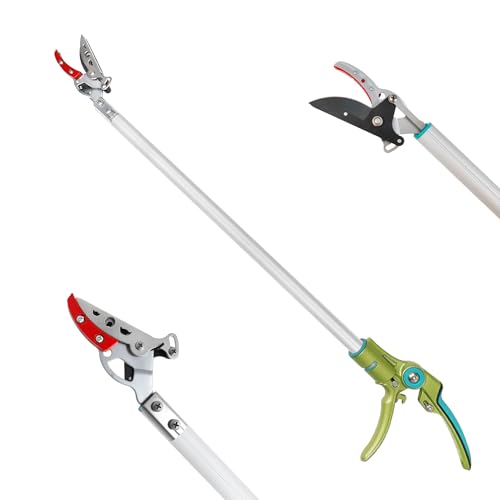
[REACH HIGH & STAY SAFE](No Ladder Required) Say goodbye to wobbly ladders! This 32inch long reach pole pruner offers an extra 30 inches of safe reach, allowing you to prune high branches or tall fruit trees while standing firmly on the ground. It’s the perfect extension tool for maintaining your backyard without the risk of falling.
Winter Pruning
Winter pruning occurs during dormancy, typically between late February and early March. At this time, trees focus energy on root development rather than foliage, making it advantageous for pruning.
- Remove Dead or Diseased Branches: Prioritize dead, damaged, or diseased wood to promote healthy growth.
- Shape the Tree: Aim to create an open center for better light penetration. This structure encourages airflow and reduces disease risk.
- Follow the 1/3 Rule: Limit cuts to one-third of the tree to prevent stressing it.
Engaging in winter pruning also helps you visualize the tree’s structure without leaves, making it easier to identify which branches to cut.
Summer Pruning
Summer pruning occurs from late June to early July. This technique is usually lighter than winter pruning and serves different purposes.
- Correct Growth Issues: Remove unwanted shoots or excessive growth to encourage lateral branching. This step keeps the tree’s shape manageable.
- Thin Out Canopies: Target dense areas to improve air circulation, allowing sunlight to reach all parts of the tree.
- Focus on Young Trees: Young trees benefit from summer pruning as it helps establish a strong framework.
Summer pruning is ideal for maintaining tree health without inducing stress. Combining both winter and summer pruning ensures a well-maintained tree, leading to fruitful seasons in Zone 5.
Factors Influencing Pruning Time
Pruning time depends on several factors, including the type of fruit tree and local weather conditions. Understanding these aspects helps you determine the best moments for pruning your fruit trees in Zone 5.
Type Of Fruit Trees
Different fruit trees have varying pruning needs and schedules.
- Apple Trees: Prune during late winter to early spring for optimal results. Apple trees can benefit from summer pruning to manage growth.
- Pear Trees: Similar to apple trees, pear trees thrive when pruned in late winter. Focus on removing dead or diseased wood.
- Cherry Trees: These trees prefer pruning in late summer after harvest. This timing prevents diseases common in winter pruning.
- Peach Trees: Summer pruning encourages air circulation after fruiting. Aim for pruning in late June to early July.
Knowing the specific needs of your trees ensures effective pruning and healthy growth.
Weather Conditions
Weather greatly affects the timing of pruning.
- Winter Temperatures: Late winter offers dormancy, but avoid pruning during extreme cold snaps. Trees become brittle in frigid conditions, increasing damage risk.
- Spring Thaw: Once temperatures stabilize above freezing, pruning can commence. This timing allows the tree to heal before new growth begins.
- Rain and Humidity: Prune during dry weather to prevent fungal infections. Wet conditions can increase the risk of diseases after pruning cuts are made.
Monitoring local weather forecasts can help you choose the ideal pruning windows, fostering a healthy environment for your fruit trees.
Conclusion
Pruning your fruit trees in Zone 5 is all about timing and technique. By knowing when to prune and understanding the specific needs of your trees, you can ensure they thrive and produce delicious fruit. Remember to keep an eye on your trees throughout the year and be proactive in addressing any growth issues.
With the right tools and a little practice, you’ll find that pruning can be a rewarding experience. Embrace the process and enjoy the benefits of healthy trees and bountiful harvests in your garden. Happy pruning!
Frequently Asked Questions
When is the best time to prune fruit trees in Zone 5?
Pruning fruit trees in Zone 5 is best done in late winter to early spring when the trees are dormant, typically from late February to early March. Light summer pruning can be performed from late June to early July to correct growth issues.
What are the benefits of pruning fruit trees?
Pruning promotes healthy growth and maximizes fruit yield. It enhances air circulation, encourages new growth, improves sunlight exposure, reduces disease risk, and helps shape the tree for easier harvesting.
What tools do I need for effective pruning?
Essential tools for pruning include bypass pruners for small branches, loppers for thicker ones, and saws for larger limbs. Always use clean tools to prevent disease spread.
What is the 1/3 rule in pruning?
The 1/3 rule suggests that when pruning, only one-third of the tree’s canopy should be removed at a time. This helps prevent stress and ensures that the tree remains healthy and productive.
How can I tell if my fruit tree needs pruning?
Signs that your fruit tree may need pruning include a dense canopy, dead or diseased wood, poor fruit production, or limbs crossing one another, which can hinder air circulation and sunlight exposure.
