

Have you ever watched helplessly as birds feast on your precious fruit trees? You’re not alone. Many gardeners face the same frustrating battle, trying to protect their hard work from these feathered thieves.
Key Takeaways
- Bird Attraction Factors: Birds are drawn to fruit trees primarily due to ripe fruits, bright colors, and the shelter that trees provide.
- Common Bird Species: Robins, blue jays, and sparrows are notorious for feasting on fruits and can significantly impact fruit yield and quality.
- Effective Deterrent Methods: Utilize a mix of visual (e.g., reflective objects), sound (e.g., noise makers), physical barriers (e.g., netting), and natural deterrents (e.g., herbs) to keep birds away.
- Understanding Bird Behavior: Knowledge of bird feeding patterns, such as their active hours, can help in timing the deployment of deterrents for maximum effectiveness.
- Best Practices for Protection: Start deterrent measures early and monitor bird activity regularly. Combining various methods enhances protection and discourages birds from returning.
Understanding the Problem
Birds pose a significant threat to fruit trees. They often target ripe fruits, leading to losses for gardeners. Various species, such as robins, blue jays, and sparrows, are particularly notorious for raiding orchards. Understanding why birds are drawn to your fruit trees is essential for effective deterrence.
Attraction Factors
- Ripeness: Birds favor ripe, juicy fruits that are easy to access.
- Color: Bright colors attract birds, signaling ripe or mature fruits.
- Shelter: Trees provide shelter and nesting sites, making them appealing to birds.
Common Bird Species
- Robins: Known for eating berries and soft fruits.
- Blue Jays: They consume a variety of fruits and can be aggressive.
- Sparrows: Small birds that nibble on many fruits.
Impact on Gardens
- Fruit Damage: Birds create holes in fruits, making them unmarketable.
- Stress on Trees: Continuous feeding can stress your trees and reduce yields.
- Pest Attraction: Damaged fruit may attract additional pests.
- Established Habits: Birds quickly learn where food sources are.
- Seasonal Variability: Different species may visit at various times, complicating deterrence strategies.
- Environmental Factors: Availability of natural food sources can influence bird behavior.
Understanding these challenges helps you develop effective strategies to protect your fruit trees.
Common Bird Species That Disturb Fruit Trees
Various bird species commonly target fruit trees for their ripe offerings. Knowing which birds cause the most trouble helps you implement effective deterrent measures.
Recommended Products

✅【Premium Heavy-Duty Material for Long-Lasting Protection】 VITI Fruit Trees Netting Crafted from reinforced polyethylene with UV-resistant coating, this netting is designed to withstand harsh weather conditions, including sun exposure, rain, and wind, without tearing or degrading over time. Unlike flimsy alternatives, its tear-resistant structure ensures multi-season use, saving you replacement costs.

【PROTECT YOUR PROPERTY】Our bird scare tape ribbon is made of high-quality thick and ultra-durable materials to ensure its durability and service life. The reflective tape for birds has high reflectivity and can be used continuously for a long time. The best way to win the battle against pigeons, woodpeckers, herons, blackbirds and much more!

Assembly Required: A detailed instruction is in the package. The pinwheel comes in a set of separate pieces, each waiting to be brought together into a whirling delight. Easily mount these bird blinder repellent pin wheels on your area with direct sunlight and breeze for effective use.
Impact on Fruit Yield
Birds can significantly reduce fruit yields. A single blue jay can consume several berries in a short time. Robins, often found in orchards, can eat up to 50 worms or berries in a day. This consumption leads to noticeable reductions in harvests, affecting both quantity and quality. Gardens may experience not just lower yields but also damage to unripe fruits, as birds damage buds and foliage during their search for food. Safeguarding your fruit trees from these species is crucial for maximizing harvests.
Behavior Patterns of Fruit-Eating Birds
Understanding bird behavior can inform your deterrence strategies. Robins usually become more active in the early morning, feasting on berries before the sun fully rises. Blue jays often congregate in groups, which increases their feeding efficiency. Sparrows tend to feed in short bursts throughout the day, focusing on ripe fruits. Birds learn quickly where to find food, returning persistently to previously successful locations. Adjusting your deterrent tactics based on these patterns can enhance your protection efforts. For example, using noise makers during dawn can disrupt early morning feeders, while visual deterrents can keep birds away during peak feeding times.
Effective Methods to Deter Birds
Deter birds from your fruit trees using a variety of effective methods. By employing a combination of visual, sound, physical, and natural deterrents, you can protect your harvest.
Recommended Products

Size: Deer netting size 7 feet x 100 feet; garden netting mesh size 3/4"; color: black; Easy to use accessories included: 10pcs installation nails & 50pcs cable ties

Extra Large Coverage: 15ft x 15ft bird netting offers full protection for large fruit trees and plants.

Protect Your Vegetables and Fruits: LCHUANG Garden Netting is great for orchards, greenhouses, gardens, nurseries, patios, and shrubs. This Bird Netting with a zipper can protect blueberries, tomatoes, trees, fruits, flowers, vegetables, and potted plants from insects, birds, and bugs, which helps the plants grow normally.
Visual Deterrents
Visual deterrents trick birds into thinking danger lurks nearby. Here are some effective options:
- Reflective Objects: Hang shiny objects like CDs, aluminum foil strips, or reflective tape around your trees. The light reflections will scare birds away.
- Scare Tactics: Use decoys like fake owls or hawks to create an illusion of predation. Move them regularly to maintain their effectiveness.
- Bright Colors: Create colorful distractions, such as wind spinners or colorful balloons. Place them where birds usually gather for maximum impact.
Sound Deterrents
Sound deterrents create an auditory disturbance, making your fruit trees less inviting for birds. Consider these options:
- Noise Makers: Use wind chimes or set up devices that emit distress calls. These sounds often induce fear in birds.
- Ultrasonic Devices: Invest in devices that emit high-frequency sounds uncomfortable for birds. Humans usually can’t hear these frequencies.
- Distressed Calls: Play recordings of bird distress calls near your trees. This may discourage feeding by signaling danger.
Physical Barriers
Physical barriers can effectively restrict access to your fruits while ensuring the trees remain intact. Utilize these methods:
- Netting: Drape bird netting over your trees to keep birds at bay. Ensure it’s secure to prevent entanglement.
- Row Covers: Use lightweight fabric row covers to protect young trees or plants. This also allows sunlight and rain to nourish your fruits.
- Spiked Strips: Install spiked strips on branches to deter larger birds from perching and feeding.
Natural Deterrents
Natural deterrents leverage scents and other natural elements to keep birds away. Try the following:
- Herbs and Scents: Plant herbs like mint or basil around your fruit trees. Their fragrances may repel certain bird species.
- Bitter Sprays: Apply natural bitter sprays formulated to deter birds. Ensure they’re safe for plants and fruits.
- Natural Predators: Encourage the presence of natural predators, like cats, to help keep bird populations in check.
These methods, when combined effectively, can help you safeguard your fruit trees from pesky birds, allowing your harvest to thrive.
Best Practices for Success
Effective bird deterrence involves planning and consistent monitoring of your fruit trees. Implementing best practices enhances your success rate in protecting your harvest.
Recommended Products

Bird Netting: The size of the anti-bird net is 13*33ft,and the mesh size is 0.8 inches, which can fully ensure the passage of sunlight and rain. While protecting plants from various animals, it ensures that plants can grow normally
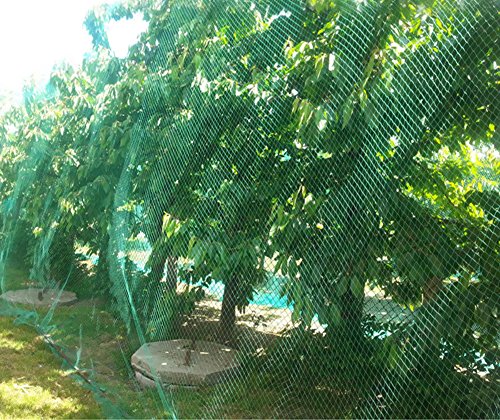
Excellent Material & Quality: Our bird netting is made of strong and durable PE with high stretch, light-weight but not tear easily; It is anti-UV and tough enough to withstand the effects of the sun and bad weather conditions, so you can use the garden netting repeatedly until the end of the season; The size of the poultry netting mesh refers to the measured length straightened from the far left to the far right

Convenient Zipper and Drawstring Design---Our Fruit Tree Netting for Cicadas has a user - friendly, durable zipper. It makes accessing fruit trees & blueberry bushes easy during trimming, watering, or harvesting. No more struggling with complex closures or removing the whole net. This is especially useful for cicada protection. The attached drawstring enhances functionality, allowing you to secure the net tightly around plants. This combo ensures easy handling & a snug fit, even in windy conditions, making plant maintenance stress - free.
Timing and Monitoring
Timing plays a crucial role in deterring birds. Start using deterrent methods as soon as fruit begins to ripen. Birds, such as robins and blue jays, become active in early spring and will quickly learn to target your trees. Regularly monitor your trees to identify peak feeding times, typically early morning and late afternoon. Adjust your strategies accordingly; for instance, increase sound deterrents during these hours. Keep a lookout for changes in bird activity throughout the season. This allows you to adapt your techniques and maintain effective protection.
Combining Methods for Effectiveness
Combining different bird deterrent methods increases your chances of success. Use visual deterrents, like reflective tape or scarecrows, in conjunction with sound devices like noise makers. The combination confuses birds, making them less likely to approach your fruit trees. Additionally, consider physical barriers such as bird netting alongside these methods. This layered approach not only protects your current fruits but also discourages birds from returning for future harvests. Experiment with various combinations to find what works best for your specific situation and local bird species.
Conclusion
Protecting your fruit trees from birds doesn’t have to be a losing battle. By understanding the behaviors and preferences of these feathered visitors you can take proactive steps to safeguard your harvest.
Using a mix of visual and sound deterrents along with physical barriers can create an effective defense. Remember to start early and keep an eye on your trees to adjust your strategies as needed.
With a little creativity and persistence you can enjoy the fruits of your labor without sharing them with the birds. Happy gardening and may your trees thrive!
Frequently Asked Questions
What birds are common threats to fruit trees?
Birds such as robins, blue jays, and sparrows are notorious for raiding fruit trees. They are particularly attracted to ripe fruits, leading to substantial losses for gardeners. Understanding which species are problematic helps in implementing effective deterrent strategies.
How do birds affect my fruit trees?
Birds can cause significant damage by consuming ripe fruits, which reduces both yield and quality. Their presence can also stress trees and attract additional pests, complicating garden maintenance and impacting the overall health of your plants.
What attracts birds to my fruit trees?
Birds are drawn to fruit trees by the bright colors and ripeness of the fruits, as well as the shelter provided by the trees. These factors make fruit trees an appealing food source, particularly during ripening seasons.
When are birds most active around fruit trees?
Birds, especially robins, tend to be most active in the early morning. Understanding their feeding patterns can help you plan your deterrent strategies for maximum effectiveness during these peak times.
What are effective ways to deter birds from fruit trees?
Effective deterrents include visual aids like reflective objects, sound devices such as noise makers, physical barriers like bird netting, and natural methods incorporating planting herbs or encouraging natural predators. A combination of these strategies works best.
How can I optimize my bird deterrence strategies?
To optimize deterrence, start implementing methods as fruits begin to ripen and adjust based on monitoring bird activity. Combine different methods, like sound and visual deterrents, to create a more effective layered approach tailored to your specific situation.
What should I consider for successful bird deterrence?
Successful bird deterrence involves planning, timing, and regular monitoring. Use deterrent methods as soon as fruits start ripening, and be prepared to adapt based on the specific feeding habits and behaviors of the local bird species.
