

Do you ever find yourself wondering how to keep your muscadine grapes fresh and delicious for longer? Picture this: you’ve just picked a bunch of juicy, ripe muscadines from the vineyard or farmer’s market, but now you’re unsure about the best way to store them.
Key Takeaways
- Muscadine grapes are a unique variety native to the southeastern United States, known for their thick skins, musky flavor profile, and high antioxidant content.
- To store muscadine grapes properly, clean them under cool water, sort out damaged ones, and consider pre-treating with water-vinegar or baking soda solutions.
- Optimal storage methods include refrigeration in a perforated plastic bag, vacuum sealing to remove excess air, and freezing on a baking sheet before transferring to an airtight container.
- For long-term storage, monitor humidity and temperature levels to prevent spoilage and consider using preservatives if necessary.
- Stored muscadine grapes can be used in culinary dishes like salads and desserts or transformed into homemade jellies and wines for added flavor profiles.
Understanding Muscadine Grapes
Muscadine grapes are a unique variety native to the southeastern United States. They differ from traditional grapes in their thick skins and musky flavor profile, making them a sought-after choice for fresh consumption, winemaking, and preserves.
What Are Muscadine Grapes?
Muscadine grapes, scientifically known as Vitis rotundifolia, are a species of grapevine renowned for their round shape and thick skin. These grapes come in various colors ranging from bronze to dark purple-black and are typically larger than common table grapes. Muscadines thrive in warm climates with abundant sunlight and well-drained soil.
Unique Aspects of Muscadine Grapes
One of the distinctive characteristics of muscadine grapes is their high antioxidant content, particularly resveratrol, which is linked to various health benefits like heart health and anti-inflammatory properties. Additionally, muscadines have self-fertilizing flowers, reducing the need for extensive pollination efforts compared to other grape varieties.
In terms of taste, muscadines offer a complex blend of sweetness with a hint of tartness that sets them apart from conventional grapes. Their versatility extends beyond eating fresh; they can be used in jams, jellies, wines, and even juices due to their robust flavor profile.
These unique attributes make muscadine grapes a prized fruit worth savoring through proper storage techniques to retain their freshness and flavor over time.
Preparing Muscadine Grapes for Storage
To ensure your muscadine grapes stay fresh and flavorful, proper preparation is key. Here’s how to get your grapes ready for storage:
Recommended Products
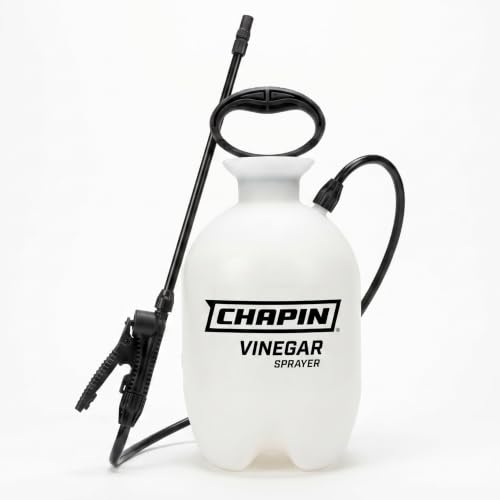
Horticultural vinegar-resistant seals: Tough seals and gaskets are designed for use with horticultural vinegar, making this sprayer ideal for organic weed control around your garden and outdoor spaces

Cleaning and Sorting
Start by gently rinsing your muscadine grapes under cool running water. This step helps remove any dirt or residue from the skins. After washing, pat them dry with a clean cloth or paper towel.
Next, sort through the grapes to remove any damaged or spoiled ones. Discard any grapes that show signs of mold, soft spots, or shriveling. Only select firm, plump grapes for storage as they will last longer.
Pre-Treatment Techniques
Consider pre-treating your muscadine grapes before storing them to extend their shelf life. One effective pre-treatment method is to soak the grapes in a solution of water and vinegar. Mix three parts water with one part vinegar and let the grapes sit in this mixture for a few minutes.
Another pre-treatment option is a gentle baking soda wash. Create a solution using water and baking soda, then soak the grapes briefly before rinsing them thoroughly with water.
By cleaning, sorting, and pre-treating your muscadine grapes before storage, you can help maintain their freshness and quality for an extended period.
Optimal Storage Methods for Muscadine Grapes
When it comes to storing muscadine grapes, there are several methods you can use to keep them fresh and flavorful. Here’s how you can optimize the storage of your muscadine grapes:
Refrigeration
Refrigeration is a key method for keeping muscadine grapes fresh. Store unwashed grapes in a perforated plastic bag in the refrigerator’s crisper drawer. The cold temperature helps slow down the ripening process and preserves their taste for longer periods.
Vacuum Sealing
Vacuum sealing is another effective way to store muscadine grapes. By removing excess air from the packaging, you can extend the shelf life of the grapes. Place cleaned and dried grapes in a vacuum-sealed bag or container before sealing them tightly for optimal freshness.
Freezing Techniques
Freezing muscadine grapes is ideal if you want to enjoy them beyond their usual shelf life. To freeze, spread washed and dried grapes on a baking sheet in a single layer and place them in the freezer until they’re firm. Once frozen, transfer them to an airtight container or freezer bag for long-term storage.
By following these optimal storage methods, you can ensure that your muscadine grapes stay fresh, delicious, and ready to enjoy whenever you crave their unique flavor.
Tips for Long-Term Storage of Muscadine Grapes
When storing muscadine grapes for the long term, there are specific considerations to ensure their freshness and quality. Here are some essential tips to help you preserve your muscadine grapes effectively:
Recommended Products

Humidity Packs 10pc 4g Size for Storage Containers with 62% RH Control: Maintain a stable 62% relative humidity (RH) environment inside sealed containers to help preserve...
Monitoring Humidity and Temperature
Ensure that the storage environment for your muscadine grapes maintains optimal humidity and temperature levels. The ideal conditions for storing muscadine grapes involve a cool, humid setting to prevent them from drying out or becoming too moist, which can lead to spoilage.
Use of Preservatives
Consider using preservatives when storing muscadine grapes for an extended period. While natural preservation methods like refrigeration and freezing are effective, you can also explore safe preservative options available in the market to further extend the shelf life of your grapes without compromising their taste or nutritional value.
By following these tips on monitoring humidity and temperature as well as considering the use of preservatives, you can enhance the longevity of your muscadine grapes while retaining their delicious flavor and beneficial properties.
Using Stored Muscadine Grapes
When it comes to using stored muscadine grapes, there are various culinary uses and creative ways to enjoy them. Whether you’re making jellies or wines, these versatile grapes can add a unique flavor profile to your dishes and beverages.
Culinary Uses
Incorporating stored muscadine grapes into your culinary creations can elevate the taste of your dishes. You can use these grapes in salads, desserts, sauces, or even as a standalone snack. Their sweet and slightly tangy flavor pairs well with both savory and sweet recipes.
Making Jellies and Wines
One popular way to utilize stored muscadine grapes is by making homemade jellies or wines. The natural sweetness of the grapes makes them ideal for preserving as jelly or jam. Additionally, muscadine grapes are commonly used in winemaking due to their rich flavor profile.
By following simple recipes and techniques, you can turn your stored muscadine grapes into delicious homemade jellies or flavorful wines that you can enjoy yourself or share with friends and family.
Conclusion
You’ve now learned how to properly store muscadine grapes to maintain their freshness and flavor. By following the right storage techniques, you can enjoy these unique grapes in various culinary creations or simply as a delicious snack. Remember to keep an eye on humidity and temperature levels, consider using preservatives if needed, and explore different ways to incorporate muscadine grapes into your meals. Whether you’re making jellies, wines, salads, or desserts, the versatility of muscadine grapes ensures that you can savor their distinct taste in many delightful dishes. With these storage tips in mind, you’ll be able to prolong the shelf life of your muscadine grapes while preserving their nutritional value and rich antioxidant content. Enjoy experimenting with this flavorful fruit!
Frequently Asked Questions
What are the unique characteristics of muscadine grapes?
Muscadine grapes are known for their thick skins, musky flavor, and high antioxidant content, particularly resveratrol.
Do muscadine grapes have self-fertilizing flowers?
Yes, muscadine grapes have self-fertilizing flowers, making them easier to grow compared to other grape varieties.
How should I store muscadine grapes for long-term freshness?
To store muscadine grapes long-term, monitor humidity and temperature levels, consider using preservatives, and find safe ways to extend shelf life without compromising taste or nutrients.
What are some culinary uses for stored muscadine grapes?
Stored muscadine grapes can be used in salads, desserts, sauces, or enjoyed as a standalone snack. They are also great for making jellies or wines due to their natural sweetness and rich flavor profile.
