

Wondering when to prune your fruit trees in Seattle? You’re not alone. Many gardeners face the challenge of timing their pruning just right to ensure a bountiful harvest. With Seattle’s unique climate and seasonal changes, knowing the optimal time can make all the difference.
Key Takeaways
- Optimal Pruning Time: The ideal time for pruning fruit trees in Seattle is from late winter to early spring (February to early March) while trees are dormant, minimizing stress and promoting health.
- Pruning Benefits: Regular pruning encourages new growth, improves air circulation, enhances light exposure for better fruit quality, and facilitates easier harvesting.
- Key Pruning Techniques: Utilize thinning, heading back, and suckering to optimize tree structure and health, ensuring good air and light penetration.
- Tool Selection: Equip yourself with appropriate tools like bypass pruners, loppers, and pruning saws to make clean cuts and maintain tree vitality.
- Seasonal Considerations: Avoid pruning in the fall; focus on light summer pruning after June to manage growth without hindering fruit development.
- Tree Type Specifics: Different fruit trees, such as apple, cherry, and pear, have unique pruning needs based on their bloom timing and growth patterns, requiring tailored care for optimal results.
Understanding Pruning for Fruit Trees
Pruning fruit trees effectively boosts their health and fruit production. Knowing when and how to prune is essential, especially in Seattle’s climate.
Benefits of Pruning
- Encourages Growth: Pruning stimulates new growth. Removing dead or diseased branches allows the tree to focus its energy on healthier parts.
- Improves Air Circulation: Pruning opens up the canopy. This enhanced airflow reduces the risk of fungal diseases common in damp climates.
- Enhances Light Exposure: Pruning helps light reach the inner branches. Better light exposure leads to improved fruit quality.
- Facilitates Harvesting: A well-pruned tree is easier to harvest. Lower branches are more accessible, making fruit picking simpler.
Best Times for Pruning
- Late Winter to Early Spring: This timeframe, roughly from February to early March, is ideal for most fruit trees in Seattle. Trees remain dormant, minimizing stress.
- Summer Pruning: Light pruning during midsummer can control growth and remove unwanted shoots. This method helps maintain tree shape without hindering fruit development.
Pruning Techniques
- Thinning: Remove selected branches to ensure enough space between remaining branches. Focus on crossing or crowded branches.
- Heading Back: Cut back the tips of branches to encourage bushier growth. This technique promotes new shoots and increases fruit production.
- Suckering: Remove suckers that grow from the base or roots. These divert energy from fruit-bearing branches.
Tools for Pruning
- Bypass Pruners: Perfect for cutting smaller branches with a clean cut.
- Loppers: Ideal for removing thicker branches. Ensure they have a long reach for hard-to-access areas.
- Saw: Use a pruning saw for larger branches. An efficient saw makes the job quicker and more effective.
- Sterilize Tools: Clean tools with rubbing alcohol before starting. This prevents the spread of disease.
- Make Clean Cuts: Aim for straight cuts without tearing. Clean cuts heal faster.
- Evaluate Tree Health: Look for signs of disease or pest damage. Prune accordingly to manage issues.
Understanding these principles of pruning supports healthy and productive fruit trees. With careful timing and techniques, you can enjoy a bountiful harvest in Seattle.
Best Time to Prune Fruit Trees in Seattle
Pruning fruit trees at the right time maximizes growth and fruit production. Understanding the best time to prune based on environmental factors ensures healthier trees.
Recommended Products

★ 1. What you get: Professional convenient grafting tool set including a dual-use grafting pruner tool contain 2 extra replaceable blades, a wrench and a screwdriver, along with 36pcs wide rubber bands, 150 thick rubber bands and 1 grafting tape, packed in a black wallet to meet all your needs

Pruning Trees Shrubs and Vines No 54 By Gardenway Editors

PROFESSIONAL GARDENING GRAFTING TOOLS: Including 2 in 1 grafting pruning tools, 3 replaceable blades, a grafting knife, a screwdriver, a wrench, 2 grafting films, 160 rubber bands, 40 wide rubber bands, and 50 colorful tag cards
Factors Influencing Pruning Timelines
Consider these factors when deciding the optimal time for pruning:
- Temperature: Prune during mild, dry weather. Temperatures above 40°F help avoid stress on the trees.
- Tree Type: Different fruit trees have unique pruning schedules. For example, apple trees respond well to late winter pruning, while peach trees thrive when pruned in early spring.
- Bloom Timing: Assist trees by pruning before they bloom. This timing improves flowering and fruit production.
Seasonal Considerations
Seattle’s climate affects pruning choices. Follow these seasonal guidelines for best practices:
- Late Winter to Early Spring: This is the ideal time for major pruning. Strengthen tree structure and promote healthy growth during dormancy.
- Summer Pruning: Conduct light pruning after June to manage growth and improve air circulation. This technique helps maintain tree health and improves fruit quality.
- Avoid Pruning in Fall: Refrain from pruning in fall. Trees preparing for winter don’t benefit from it, and cuts can attract pests.
Use these insights to determine when to prune your fruit trees for optimal health and fruiting in Seattle.
Types of Fruit Trees Commonly Grown in Seattle
Seattle’s climate supports a variety of fruit trees. Common choices include apple, cherry, and pear trees. Understanding their specific needs helps you care for them effectively.
Recommended Products
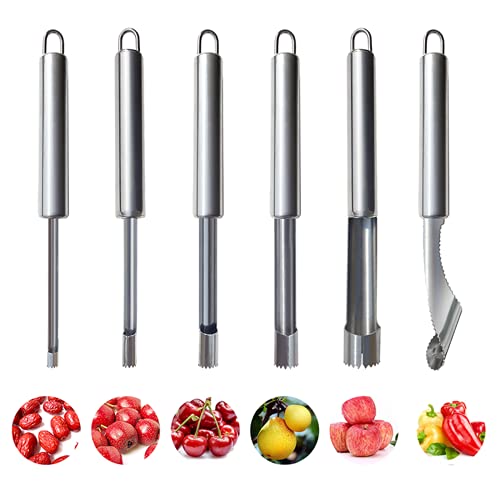
Diverse sizes: Here are 5 diverse sizes of hand-held corer and 1 jalapeno corer, Caliber: 0.78'', 0.55'', 0.39'', 0.31'', 0.23''.

Jalapeno Pepper Corer:2pcs Jalapeno pepper corer seed remover was designed with serrated and spiral blade, pepper corer tool can remove seeds easily and get a complete shell of pepper, zucchini. And just fill them with sausages, minced meat, or cheese. Vegetable corer tool pepper corer - Boon for pepper lovers.

QUICK AND EASY: Removes the core and/or stem in one motion
Apple Trees
Apple trees thrive in Seattle’s climate, and numerous varieties grow well, such as Fuji, Honeycrisp, and Granny Smith. For optimal growth, prune during late winter. This timing encourages healthy growth and fruit production. Aim for removing dead or crossing branches to improve air circulation and light exposure. Regular thinning promotes larger, better-quality apples.
Cherry Trees
Cherry trees, including sweet and sour varieties, flourish in Seattle. Prune sweet cherries during early spring, just before they bloom. This approach protects the delicate flower buds and supports robust fruit development. For sour cherries, late winter pruning is ideal. Focus on shaping the tree to allow sunlight and air to reach the center. Thinning will enhance fruit quality and yield.
Pear Trees
Pear trees perform well in the Seattle area, with varieties like Bartlett and Bosc being popular. Late winter is the best time to prune pear trees. Target crossing branches and dead wood to maintain an open canopy. This practice improves light penetration and reduces the risk of disease. Thinning out young fruit enhances the size and quality of your pears as well.
Techniques for Pruning
Proper pruning techniques enhance the health and productivity of your fruit trees. Understanding these methods allows you to shape your trees effectively and promote optimal growth.
Recommended Products
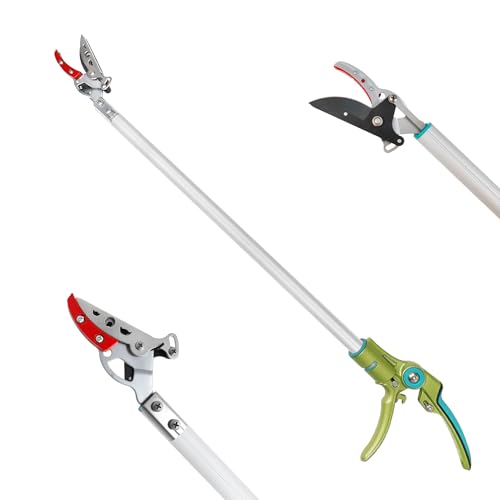
[REACH HIGH & STAY SAFE](No Ladder Required) Say goodbye to wobbly ladders! This 32inch long reach pole pruner offers an extra 30 inches of safe reach, allowing you to prune high branches or tall fruit trees while standing firmly on the ground. It’s the perfect extension tool for maintaining your backyard without the risk of falling.

Versatile Cutting Applications: Suitable for precision pruning of branches, tall hedges, and dense bushes, as well as delicate tasks like pruning flowers and harvesting fruit

1:EXTENDABLE REACH FOR LADDER-FREE SAFETY – Acting as both a reliable tree pruner and a fruit picker pole, this tool effortlessly extends from 3.28 to 5.25 FT to reach high branches up to 10 FT from the ground. The innovative rotating and locking head allows for precise angles without unstable ladders or risky stretching, ensuring maximum safety.
Proper Pruning Methods
- Thinning: Remove entire branches to create space within a tree. Thinning encourages better air circulation and exposure to sunlight. Focus on crowded or crossed branches for better growth.
- Heading Back: Cut back a portion of a branch to encourage new growth. This method stimulates the tree to produce more lateral branches and can control its height. For apples, cutting back 1/3 of the previous year’s growth stimulates fruiting.
- Suckering: Identify and remove suckers—shoots that grow at the base. Suckers drain energy from the tree and can affect fruit quality. Regularly check for and prune these out to maintain tree vigor.
- Canopy Management: Shape the tree canopy to improve light penetration and air movement. Focus on maintaining a balanced structure. Prune to create an open center for better sunlight access, especially for peach and cherry trees.
- Repairing Damage: If a branch breaks, make clean cuts instead of tearing. Clean cuts heal better and reduce the risk of disease. Use a pruning saw or loppers to make precise cuts.
Tools Needed for Pruning
Having the right tools simplifies the pruning process and ensures your cuts are clean.
- Bypass Pruners: Ideal for small branches. Bypass pruners have two blades that slide past each other, creating clean cuts.
- Loppers: Use loppers for medium branches. Their long handles provide extra leverage for cutting thicker wood.
- Pruning Saw: A pruning saw works best for larger limbs. This tool helps remove branches without damaging the tree.
- Pole Pruner: Necessary for high branches. A pole pruner extends your reach and allows safe cutting without ladders.
- Sterilizing Solution: Clean tools before moving between trees to prevent disease spread. Use a solution of 10% bleach or rubbing alcohol for sterilizing.
Using these techniques and tools aids in maintaining healthy fruit trees and can lead to a bountiful harvest in Seattle.
Conclusion
Pruning your fruit trees at the right time is key to enjoying a fruitful harvest in Seattle. By understanding the unique climate and following the recommended pruning schedules, you’ll set your trees up for success. Remember to use the right techniques and tools to promote healthy growth and maximize fruit quality.
Don’t forget to consider each tree’s specific needs and always prune in mild weather. With a little patience and care, your fruit trees will thrive, bringing you delicious fruits for years to come. Happy pruning!
Frequently Asked Questions
When is the best time to prune fruit trees in Seattle?
Pruning fruit trees in Seattle is best done from late winter to early spring. This timing allows for major pruning before trees bloom, promoting healthier growth and better fruit production. Light summer pruning can also be beneficial after June to manage growth.
What are the benefits of pruning fruit trees?
Pruning encourages healthier growth, improves air circulation, enhances light exposure, and makes harvesting easier. It helps manage size and shape, promotes fruit production, and reduces the risk of disease by removing dead or overcrowded branches.
Which fruit trees need specific pruning schedules in Seattle?
Apple trees should be pruned in late winter, while peach trees thrive with early spring pruning. Cherry trees benefit from early spring pruning for sweet varieties and late winter for sour varieties. Pear trees also perform well with late winter pruning.
What pruning techniques should I use for fruit trees?
Common pruning techniques include thinning, heading back, and suckering. Thinning removes entire branches for better circulation, heading back cuts branches to encourage new growth, and suckering eliminates shoots at the base that drain energy from the tree.
What tools are essential for pruning fruit trees?
Essential tools for effective pruning include bypass pruners, loppers, pruning saws, and pole pruners. It’s important to sterilize your tools before use to prevent the spread of diseases between trees.
Why should I avoid pruning fruit trees in the fall?
Pruning in the fall can be detrimental because trees are preparing for winter. Cuts made during this time can attract pests and disease, and the trees do not benefit from any cuts as they are focusing on conserving energy for the cold months.
