

Are you dreaming of a backyard filled with fresh fruit? Planting fruit trees in Seattle can be a rewarding experience, but timing is everything. With the Pacific Northwest’s unique climate, knowing when to plant can make all the difference in your harvest.
Key Takeaways
- Know Seattle’s Climate Zones: Familiarize yourself with USDA Hardiness Zones 8a and 8b which dictate the types of fruit trees suitable for Seattle’s mild winters.
- Understand Microclimates: Observe local variations influenced by elevation and proximity to water to choose the best fruit tree varieties for your specific area.
- Optimal Planting Seasons: Spring (March to April) and fall (mid-September to mid-October) are ideal times for planting fruit trees in Seattle to ensure successful growth and harvest.
- Select Suitable Fruit Trees: Popular choices include apples (‘Gravenstein’, ‘Honeycrisp’), cherries (‘Bing’, ‘Stella’), and pears (‘Bartlett’, ‘Bosc’) that thrive in the Seattle climate.
- Soil Preparation is Key: Conduct soil testing and amend as needed to create a loamy mix for optimal nutrient content and drainage, which supports healthy root development.
- Routine Care and Maintenance: After planting, ensure proper watering and fertilization to promote growth. Maintain a weekly watering schedule and fertilize every spring for best results.
Understanding Climate Zones in Seattle
Seattle’s climate plays a crucial role in determining the best time to plant fruit trees. Familiarizing yourself with climate zones helps you select suitable varieties and understand their growth patterns.
USDA Hardiness Zones
Seattle primarily falls within USDA Hardiness Zones 8a and 8b. These zones experience average minimum temperatures between 10°F to 20°F. This mild climate supports a wide variety of fruit trees.
For example, apple and pear trees thrive in these zones. When choosing fruit trees, check the specific hardiness rating to ensure they can withstand Seattle’s winter temperatures.
Microclimates in Seattle
Microclimates significantly impact growing conditions across Seattle. Factors like elevation, proximity to water, and urban heat can create localized weather variations.
For instance, areas close to Puget Sound tend to be warmer and wetter than those further inland. This warmth benefits tree varieties like figs and peaches. On the other hand, neighborhoods with heavy tree cover may experience cooler temperatures, suitable for hardier trees like cherries and plums.
To maximize your success, observe your planting site throughout the day. Note sunlight, shade, and wind exposure. This observation helps you determine the best fruit tree varieties for your specific microclimate.
Best Times to Plant Fruit Trees
Timing is crucial when planting fruit trees in Seattle. The right planting season enhances growth and fruit production, increasing your chances of a successful harvest.
Spring Planting
Spring offers an ideal window for planting fruit trees. Soil temperatures warm up, making conditions favorable for root development. Aim to plant your trees in early March to late April. This timeframe allows the trees to establish roots before the heat of summer arrives.
Examples of trees suited for spring planting include:
- Apples: Choose varieties like ‘Gravenstein’ or ‘Honeycrisp’ for reliable yields.
- Cherries: Consider ‘Stella’ or ‘Bing’ for sweet fruits.
Ensure you water thoroughly after planting to help roots settle into their new environment.
Fall Planting
Fall presents another excellent opportunity for planting fruit trees, specifically from mid-September to mid-October. The mild temperatures and increased rainfall promote root growth, allowing trees to adjust before winter sets in.
Popular options for fall planting include:
- Pears: ‘Bartlett’ and ‘Bosc’ thrive in Seattle’s climate and bear fruit in a few years.
- Plums: ‘Methley’ and ‘Santa Rosa’ are good choices for robust harvests.
Mulching around the base protects young trees from freezing temperatures and preserves soil moisture. Always monitor for any signs of stress after planting to ensure their survival through winter.
Types of Fruit Trees Suitable for Seattle
Seattle’s climate allows a variety of fruit trees to thrive. Consider the following options when selecting trees for your garden.
Recommended Products

🌳 3-Pack Fruit Tree Bundle Includes live apple, blueberry, blackberry trees—perfectly paired for a diverse and productive backyard orchard.


These are ready to plant and should be put in the ground according to the included instructions upon arrival. All pictures are of fully grown plants. Sizes shipped are in the title and description. Deciduous plants do not have leaves in the winter.
Apple Trees
Apple trees adapt well to Seattle’s climate. Popular varieties include ‘Gravenstein’ and ‘Honeycrisp’. ‘Gravenstein’ produces juicy, tart apples ideal for pies, while ‘Honeycrisp’ offers a sweet and crisp texture. Plant these trees in early spring for the best chance of success. Aim for full sun exposure, with at least six hours of sunlight daily. Make sure to space your trees at least 15 feet apart to allow for growth.
Cherry Trees
Cherry trees also flourish in Seattle. ‘Bing’ cherries provide sweet fruit perfect for fresh eating or jam. ‘Stella’ cherries are self-pollinating and produce large, flavorful fruit. Plant these trees in mid-spring for optimal root development. Choose a location with good drainage and full sun, as these trees need plenty of light for healthy growth. Maintain a distance of about 20 feet between trees to ensure proper air circulation.
Pear Trees
Pear trees thrive in Seattle’s temperate climate. ‘Bartlett’ pears are among the most popular, known for their sweet, juicy flesh, while ‘Bosc’ pears boast a unique, buttery flavor. Plant these varieties in either early spring or early fall, ensuring they receive at least six hours of sunlight each day. Space your trees about 12 to 18 feet apart for effective pollination and airflow. Regular watering during dry spells promotes strong growth and fruit production.
Preparing the Soil for Planting
Preparing the soil properly ensures healthy growth for your fruit trees. Strong soil promotes root development and enhances fruit production. Follow these steps for optimal results.
Soil Testing
Soil testing identifies nutrient levels and pH balance. Purchase a soil test kit from a garden center or send a sample to a local lab. Aim for a pH between 6.0 and 6.8 for most fruit trees. Testing helps you understand if any deficiencies or toxicities exist. If needed, adjustments can lead to improved growth.
Amendments and Drainage
Amend your soil based on test results. Incorporate organic matter like compost or well-rotted manure to improve nutrient content. For poor drainage areas, consider raised beds or adding sand to enhance aeration. Aim for a loamy mix, combining sand, silt, and clay in equal parts. Good drainage prevents root rot and allows healthy tree growth.
Ensure you create a planting hole at least twice the width of the root ball. This facilitates root expansion and minimizes transplant shock. When planting, backfill the hole gently, avoiding air pockets. Water thoroughly after planting to settle the soil and promote immediate moisture retention.
Care and Maintenance After Planting
Proper care and maintenance after planting fruit trees ensures healthy growth and fruitful harvests. Focus on watering and fertilizing to support your trees as they establish themselves.
Recommended Products
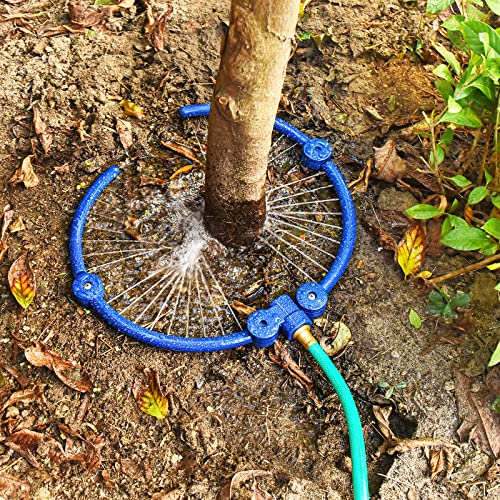
【Specially Designed for Trees and Shrubs】 The Watering Ring is a multi-purpose irrigation ring that attaches to a garden hose to efficiently water young trees shrubs vegetables or flower beds using drip or trickle irrigation.It directs water to the root perimeter of the plant to give them a good start during the first two growing seasons or through periods of drought.

Smart Automatic Watering Control: The Orbit Programmable Digital Hose Watering Timer transforms a faucet into an automatic watering system using a reliable single outlet hose timer

Effortless Watering Automation: The Orbit Mechanical Water Timer helps manage lawn and garden irrigation with a reliable mechanical water timer design and hose faucet timer control
Watering Requirements
Water fruit trees immediately after planting. This initial watering helps settle the soil around the roots. For the first few weeks, water deeply every few days, ensuring the soil remains moist but not soggy. Once established, shift to a weekly watering schedule, providing about 1 to 2 inches of water weekly during dry spells. Monitor soil moisture regularly. Signs of underwatering include wilting leaves and dry soil. If you expect heavy rain, adjust your schedule to avoid overwatering.
Fertilization Tips
Start fertilizing fruit trees about six weeks after planting. Use a balanced fertilizer designed for trees, applying it according to package instructions. Focus on the root zone by spreading fertilizer evenly around the base, avoiding direct contact with the trunk. Fertilize again in early spring as new growth appears. Always test the soil before adding any amendments. If soil tests suggest nutrient deficiencies, adjust your fertilization strategy to address specific needs.
Conclusion
Planting fruit trees in Seattle can be a rewarding experience when you choose the right time and varieties. By paying attention to your local climate and microclimates you can set your trees up for success.
Whether you opt for spring or fall planting each season brings unique advantages. Remember to prepare your soil properly and provide the care your trees need as they grow. With a little patience and dedication you’ll soon enjoy the fruits of your labor right in your own backyard. Happy planting!
Frequently Asked Questions
What are the best times to plant fruit trees in Seattle?
The best times to plant fruit trees in Seattle are in spring (early March to late April) for root development and in fall (mid-September to mid-October). Spring planting supports varieties like ‘Gravenstein’ and ‘Honeycrisp’ apples, while fall planting is ideal for ‘Bartlett’ and ‘Bosc’ pears.
Which fruit tree varieties do well in Seattle’s climate zones?
Seattle’s climate zones, mainly USDA Hardiness Zones 8a and 8b, support various fruit trees. Recommended varieties include ‘Gravenstein’ and ‘Honeycrisp’ apples, ‘Bing’ and ‘Stella’ cherries, and ‘Bartlett’ and ‘Bosc’ pears, all thriving with adequate sunlight.
How should I prepare the soil for planting fruit trees?
To prepare soil for fruit trees, conduct a soil test to check nutrient levels and pH, aiming for a pH between 6.0 and 6.8. Incorporate organic matter based on test results and ensure good drainage to prevent root rot, creating a wide planting hole for root expansion.
What care do fruit trees need after planting?
After planting, water your fruit trees deeply to promote strong root development. Once established, shift to a weekly watering schedule. Monitor for signs of underwatering or overwatering, and start fertilizing with a balanced fertilizer six weeks post-planting for optimal growth.
How can microclimates affect fruit tree growth in Seattle?
Microclimates in Seattle, influenced by elevation and proximity to water, can create localized weather variations. Observing your specific planting site helps determine which fruit tree varieties are best suited to those microclimate conditions, improving their chances of thriving and producing fruit.
