

Wondering when to trim your fruit trees for the best results? You’re not alone. Many gardeners face the challenge of timing their pruning just right to encourage healthy growth and bountiful harvests.
Imagine standing in your backyard, looking at your fruit trees, unsure if now is the right moment to grab those shears. This article will help you understand the best times to prune, whether you’re aiming for a luscious apple tree or a vibrant peach. By following some simple guidelines, you’ll set your trees up for success and enjoy the fruits of your labor.
Key Takeaways
- Optimal Timing: Trim fruit trees during their dormant winter season or active summer period depending on the species, such as winter for apple trees and summer for peach trees, to enhance growth and fruit quality.
- Promote Tree Health: Regular pruning improves air circulation, light penetration, and encourages new growth, ultimately leading to a robust and productive tree.
- Effective Techniques: Utilize specific pruning techniques like thinning, heading back, and cleaning to enhance the tree’s structure while removing diseased or crowded branches.
- Proper Tools: Use the right tools for pruning, including bypass pruners for small branches and pole saws for reaching higher limbs, to ensure clean cuts and tree health.
- Monitor Conditions: Consider climate and tree species when planning your pruning strategy, avoiding wet seasons and adjusting timing to suit local environmental conditions.
Importance Of Trimming Fruit Trees
Trimming fruit trees plays a crucial role in their overall health and productivity. Proper pruning enhances air circulation, allowing sunlight to penetrate the canopy. Improved sunlight exposure results in better fruit quality and increased yields.
Benefits of Trimming
- Promotes Growth: Removing dead or crowded branches encourages new growth, leading to a more vigorous tree.
- Enhances Fruit Production: Strategic cuts optimize fruiting wood, increasing the quantity of fruit.
- Prevents Disease: Trimming eliminates diseased or damaged branches, reducing the risk of pests and diseases.
- Shapes the Tree: Regular pruning helps maintain a desirable shape, making harvesting easier.
Pruning Techniques
- Thinning: Remove select branches to improve air flow and light exposure.
- Heading Back: Shorten branches to stimulate growth of lateral shoots, encouraging bushier trees.
- Cleaning: Clear away dead, damaged, or crossing branches, which helps maintain tree health.
Timing Considerations
Pruning timing varies by tree type. For example, dormant season pruning works well for apple trees, while summer pruning can benefit peach trees. Knowing the right timing enhances the effectiveness of your trimming efforts.
By understanding the importance of trimming and implementing these techniques, you maximize your fruit trees’ potential, ensuring a robust and fruitful harvest.
Best Times To Trim Fruit Trees
Knowing when to trim fruit trees helps improve their health and productivity. Focus on two primary times: winter and summer.
Recommended Products

★ 1. What you get: Professional convenient grafting tool set including a dual-use grafting pruner tool contain 2 extra replaceable blades, a wrench and a screwdriver, along with 36pcs wide rubber bands, 150 thick rubber bands and 1 grafting tape, packed in a black wallet to meet all your needs


1:EXTENDABLE REACH FOR LADDER-FREE SAFETY – Acting as both a reliable tree pruner and a fruit picker pole, this tool effortlessly extends from 3.28 to 5.25 FT to reach high branches up to 10 FT from the ground. The innovative rotating and locking head allows for precise angles without unstable ladders or risky stretching, ensuring maximum safety.
Winter Trimming
Winter is the ideal time for trimming many fruit trees, especially apples. During dormancy, trees conserve energy. This period, typically between late November and early March, allows for effective pruning without the stress of active growing.
- Focus on Structure: Remove dead, damaged, or crossing branches to enhance air circulation.
- Encourage Growth: Thin out crowded areas to promote balanced growth and light penetration.
- Inspect Health: Look for signs of disease or pest damage that may need addressing before the growing season.
Example: Pruning apple trees in winter can lead to a stronger structure, ultimately resulting in better fruit production in the summer.
Summer Trimming
Summer trimming is beneficial for certain fruit trees, such as peaches. It typically occurs between June and August, after the tree has grown its leaves but before fruit harvest. This method helps control the size and shape of the tree.
- Promote Sunlight: Remove excessive growth to ensure sunlight reaches all parts of the tree.
- Direct Energy: Cut back overly vigorous shoots, allowing the tree to focus its energy on fruit production.
- Address Pests: Monitor for pest infestations while pruning, giving you an early opportunity to manage issues.
Example: Trimming peach trees in the summer can lead to larger, sweeter fruits since the tree can allocate resources more effectively.
Factors Affecting Trimming Timing
Several factors influence when to trim fruit trees. Understanding these elements helps you make the most effective pruning decisions.
Recommended Products
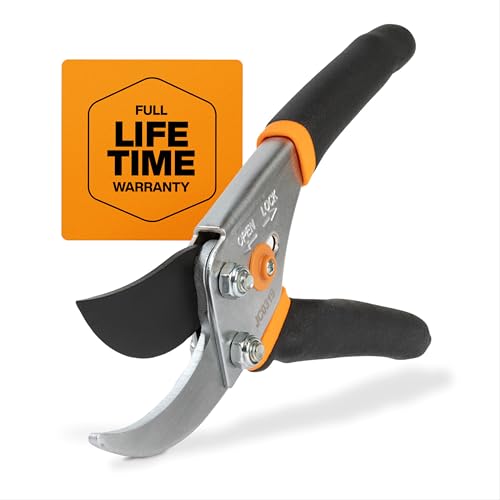
CLEAN CUTS FOR LIVE GROWTH: Bypass blade design is ideal for pruning delicate flower stems and green growth, helping reduce crushing and plant damage while cutting stems and small branches up to 5/8” in diameter

Reduce Hand Strain: These micro tip snips are made to reduces hand fatigue which makes them great for those with arthritis, carpal tunnel, hand or wrist issues; Comfortable “grip” handles will make it easy to work for long-time use without making you feel hand pain

LONG-LASTING SHARPNESS: Japanese SK5 bypass blade with titanium coating is tested through 5,000 cuts to maintain a sharp edge and deliver clean, consistent cuts on live stems and branches
Tree Species
Different fruit tree species have unique growth patterns and trimming needs. For example, apple trees benefit from winter pruning, while peach trees thrive with summer pruning.
- Apple Trees: Trim during the dormant season for optimal health. This timing encourages growth in the spring.
- Peach Trees: Summer pruning promotes sunlight exposure, enhancing fruit quality and quantity.
- Cherry Trees: Pruning in late winter helps reduce potential disease risks while ensuring healthier trees.
Climate Conditions
Climate plays a vital role in determining the best time to prune.
- Cold Climates: In regions with harsh winters, wait until late February to early March. This timing prevents damage to the trees and allows you to avoid freeze injuries.
- Mild Climates: In warmer areas, prune in late winter or early spring as trees start to wake from dormancy. This approach encourages rapid recovery.
- Rainy Seasons: Avoid pruning during wet periods. Excess moisture can promote disease and slow healing.
By considering the specific tree species and local climate, you can choose the right time to trim your fruit trees, leading to a healthier and more productive harvest.
Techniques For Trimming Fruit Trees
Trimming fruit trees involves specific techniques that promote better growth and fruit production. Understanding these methods enhances your pruning effectiveness.
Recommended Products

PROFESSIONAL GARDENING GRAFTING TOOLS: Including 2 in 1 grafting pruning tools, 3 replaceable blades, a grafting knife, a screwdriver, a wrench, 2 grafting films, 160 rubber bands, 40 wide rubber bands, and 50 colorful tag cards

UPGRAFE PROFESSIONAL GARDENING GRAFTING TOOLS: Professional grafting set, including 2 in 1 grafting pruning tools, 3 replaceable blades, a grafting knife, a pruning shears, a screwdriver, a wrench, 3 grafting films, and 45 colorful tag cards

【Surgical-Precision Grafting Tools】 Crafted with Japanese SK5 High-Carbon Steel blades (HRC 58-60 hardness) and ergonomic ABS handles, our 2-in-1 pruner delivers clean cuts up to 1/2" diameter branches. Dual-edge Ω/U/V blades prevent stem crushing, boosting grafting success rates by 40%* (*lab test data).
Proper Tools
Using the right tools ensures precise cuts and minimizes stress on your trees. Key tools include:
- Bypass Pruners: Ideal for small branches. The sharp, curved blades create clean cuts.
- Loppers: Effective for reaching higher branches, capable of cutting thicker limbs.
- Hand Saw: Necessary for larger branches that are too big for loppers. A sharp, quality saw makes a significant difference.
- Pole Saw: Suitable for trimming high branches without a ladder. Opt for a lightweight model for easy handling.
- Safety Gear: Don’t forget gloves, safety glasses, and a hard hat when working in tall trees.
Select tools based on the branch size and your comfort level. Always keep tools clean and sharp for the best results.
Best Practices
Implementing best practices while trimming ensures your trees remain healthy and productive. Follow these steps:
- Know When to Trim: Trim during the dormant season for apple trees and in summer for peach trees to encourage proper growth patterns.
- Make Clean Cuts: Cut at a 45-degree angle, just above a bud or branch joint. This helps prevent moisture build-up and encourages quick healing.
- Remove Weak Branches: Focus on thinning out crowded or crossing branches. This opens up the canopy for better light penetration and air circulation.
- Shape the Tree: Maintain an open center to enhance sunlight access. Aim for a balanced shape to avoid stress on branches.
- Inspect for Pests or Diseases: While trimming, check for any signs of infestation or disease. Addressing these issues promptly maintains tree health.
Regularly assessing and applying these techniques brings significant benefits, ensuring fruitful and resilient trees.
Conclusion
Timing your fruit tree trimming can make all the difference in your garden’s success. By knowing when to prune and which techniques to use, you can ensure your trees stay healthy and productive. Remember that winter is perfect for apple trees while summer is the best for peaches.
Keep an eye on your climate and specific tree needs to make the best decisions. With a little care and attention, you’ll enjoy bountiful harvests and vibrant trees. So grab your tools and get ready to nurture your fruit trees into thriving producers. Happy gardening!
Frequently Asked Questions
When is the best time to prune fruit trees?
Pruning timing varies by species. For apple trees, winter pruning between late November and early March is ideal. Peach trees benefit from summer pruning, typically done from June to August. Pruning during the right season helps enhance growth and fruit production.
What are the benefits of pruning fruit trees?
Pruning fruit trees improves air circulation, sunlight exposure, and overall health. It removes dead or crowded branches, enhances fruit production, prevents diseases, and helps shape the tree for easier harvesting, resulting in a better yield.
What pruning techniques should I use?
Key pruning techniques include thinning, heading back, and cleaning. Thinning removes excess branches for better light, heading back reduces branch length for shape, and cleaning eliminates unhealthy or damaged branches, promoting tree health.
Why is timing important for pruning?
Timing is crucial because different fruit tree species have unique needs. Pruning during the correct season minimizes stress, maximizes growth potential, and prevents freeze injuries or disease, ensuring healthier trees and better harvests.
How do climate conditions affect pruning?
Climate impacts pruning timing. In cold climates, prune later (February to March) to avoid freeze injuries, while milder climates can prune in late winter or early spring. Avoid pruning during rainy seasons to prevent disease and slow healing.
What tools should I use for pruning?
Essential tools include bypass pruners, loppers, hand saws, and pole saws. Using the right tools ensures clean cuts, minimizes stress on trees, and promotes faster healing, ultimately leading to healthier fruit trees.
What are common mistakes to avoid when pruning?
Avoid pruning when trees are actively growing, as it may stress them. Additionally, don’t remove too many branches at once; this can shock the tree. Always use clean, sharp tools and make cuts at the proper angle to avoid damage.
