

Have you ever dreamed of harvesting your own juicy, sun-ripened grapes from a backyard vineyard? Picture this: bountiful clusters of plump grapes dangling effortlessly from a sturdy trellis, ready to be savored. If you’re eager to turn this vision into reality and cultivate your very own grapevine oasis, you’ve come to the right place.
Imagine the satisfaction of nurturing your grapevines on a well-designed trellis system, maximizing space and sunlight for optimal growth. In this article, we’ll guide you through the essential steps and techniques needed to successfully grow grapes on a trellis. From selecting the right varieties to proper pruning and maintenance tips, we’ve got you covered.
By following our practical advice and expert tips, you’ll soon be on your way to enjoying a plentiful harvest of sweet grapes straight from your garden. Get ready to embark on an exciting journey towards becoming a successful grape grower with our comprehensive guide ahead.
Key Takeaways
- Growing grapes on a trellis offers benefits such as improved air circulation, better sunlight exposure, and easier harvesting.
- When choosing a trellis for grapevines, consider factors like grape variety, space availability, climate conditions, and maintenance ease.
- Types of trellises include Vertical Shoot Positioning (VSP), High Cordon Trellis, Pergola Trellis, and Arbor Trellis, each offering unique advantages.
- Proper soil preparation with testing, amending soil quality, ensuring drainage, and weed control is essential before planting grape vines.
- Training systems like VSP and pruning techniques such as spur pruning and thinning out are crucial for maintaining vine health and maximizing fruit yield.
- Be aware of common challenges in growing grapes on a trellis including pest management (regular monitoring, natural predators) and disease control (pruning practices, fungicide applications).
Benefits of Growing Grapes on a Trellis
When you grow grapes on a trellis, you unlock several advantages that contribute to the success of your vineyard. Let’s explore these benefits in detail:
Improved Air Circulation
By training your grapevines on a trellis, you ensure that there is adequate airflow around the plants. This improved air circulation reduces the risk of fungal diseases that thrive in damp conditions. With better ventilation, your grapevines are healthier and less prone to issues, allowing them to flourish and produce quality fruit.
Better Sunlight Exposure
Placing grapevines on a trellis allows for optimal sunlight exposure. The vines can be arranged and pruned to maximize their access to sunlight, essential for photosynthesis and fruit development. With ample sunshine reaching all parts of the plant, your grapes will ripen evenly, resulting in sweeter and more flavorful harvests.
Easier Harvesting
One significant advantage of growing grapes on a trellis is the convenience it offers during harvesting season. The organized structure of the trellis system makes it easier for you to access the grape clusters without trampling through dense foliage or damaging delicate vines. This accessibility not only simplifies the harvesting process but also ensures that you can gather your ripe grapes efficiently.
Embracing these benefits by cultivating your grapevines on a well-designed trellis system sets the stage for a successful and rewarding experience as a grape grower.
Choosing the Right Trellis for Grapes
When selecting a trellis for your grapevines, several factors need to be taken into account. Here’s what you should consider:
Recommended Products

Plant-Friendly Coating & Weather-Ready Durability: Our metal raspberry trellis for climbing plants outdoor features a protective plastic coating. The robust metal core is UV-resistant, rust-proof, and weatherproof, ensuring these tall trellises for raspberries withstand seasons of outdoor use without corrosion

Fiberglass Material Raspberry Cross Stake System with 2 Cross-bars, Height Adjustable
Fiberglass Material Raspberry Cross Stake System with 2 Adjustable Cross-bars
Factors to Consider
- Grape Variety: Different grape varieties have varying growth habits and vigor. Ensure the trellis design aligns with the specific needs of the grapes you intend to grow.
- Space Availability: Assess the available space in your vineyard or backyard. Choose a trellis system that fits within your space constraints while allowing adequate airflow around the vines.
- Climate Conditions: Consider your local climate when choosing a trellis. Opt for designs that provide sufficient sunlight exposure and protection from strong winds or inclement weather.
- Maintenance Ease: Select a trellis structure that facilitates easy maintenance tasks such as pruning, training, and harvesting without causing damage to the vines.
Types of Trellises
There are various types of trellises commonly used for growing grapes:
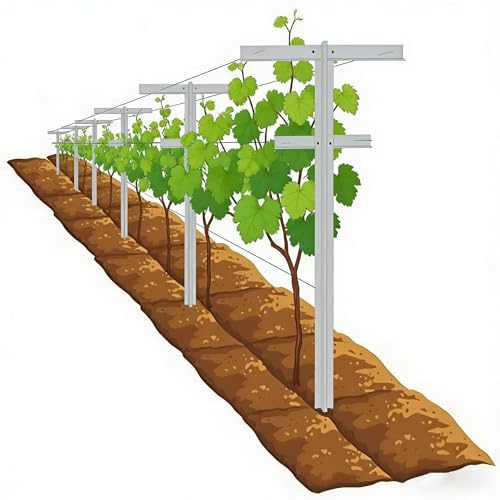
- Vertical Shoot Positioning (VSP): This type of trellis system involves training grapevines upward along vertical wires, promoting efficient canopy management and sunlight exposure.
- High Cordon Trellis: In this system, grapevines are trained along a high wire positioned above head height, allowing for good air circulation and ease of vineyard operations underneath.
- Pergola Trellis: Ideal for backyard vineyards, pergola trellises create a shaded sitting area with grapevines growing overhead, blending functionality with aesthetic appeal.
- Arbor Trellis: Arbor structures offer both support for grapevine growth and serve as decorative elements in garden settings, adding beauty while providing practical benefits.
By carefully considering these factors and understanding the various types of trellises available, you can choose the right one to ensure healthy grape growth and a successful harvest in your vineyard or garden.
Preparing the Soil and Planting Grape Vines
When it comes to growing grapes on a trellis, preparing the soil correctly is crucial for the health and productivity of your grapevines. Here’s how you can get started:
Recommended Products

Accurate Soil pH Testing: Dewildetradingco Soil pH Test Strips offer measurements of soil pH levels (pH 3.5-9). As an essential tool for every gardener and grower, these test strips help determine the optimal pH for various plants, such as outdoor plants, indoor plants, gardens, grass lawns, fruit trees, flowers, vegetables, and forest shrubs.

How to Accurately Test Garden's Soil pH? Many growers do not able to use the correct tools and methods to obtain accurate soil ph values; NewTest soil ph test kit includes upgraded soil ph test strips, measuring cylinders, and instructions for professional testing methods; it allows even beginners to easily and accurately obtain soil ph values

KNOW BEFORE YOU GROW | Grow the healthiest, sustainable lawn and garden with the most accurate and easy to use professional soil test kit on the market
Soil Preparation
- Test Your Soil: Before planting grapevines, test your soil to determine its pH level and nutrient content. Grapes thrive in well-draining soil with a pH level between 5.5 and 7.
- Amend the Soil: Based on the soil test results, amend the soil with organic matter like compost or well-rotted manure to improve its fertility and structure.
- Ensure Drainage: Good drainage is essential for grapevines as they don’t like wet feet. If your soil doesn’t drain well naturally, consider raised beds or adding sand to enhance drainage.
- Weed Control: Clear the area of weeds before planting to reduce competition for nutrients and water. Mulching around the vines can also help suppress weeds.
Planting Techniques
Now that your soil is ready, it’s time to plant your grapevines using these techniques:
- Select Healthy Plants: Choose healthy grapevine plants from a reputable nursery or supplier. Look for plants with strong roots and no signs of disease.
- Choose the Right Location: Plant your grapevines in a sunny spot with good air circulation to reduce the risk of diseases like mildew. Ensure there’s enough space between vines for growth and maintenance access.
- Planting Depth: When planting, ensure that the graft union (where the vine was grafted onto rootstock) is above ground level to prevent rotting.
- Support Systems: Install trellises or support systems at planting time to provide structure for the vines as they grow.
By following these steps for preparing the soil and planting grapevines correctly, you’ll set a solid foundation for healthy growth and bountiful harvests in your vineyard or garden.
Training and Pruning Grape Vines
When it comes to training and pruning grape vines, there are specific techniques you can follow to ensure healthy growth and optimal fruit production. Here’s a guide to help you understand the key aspects of training systems and pruning techniques for your grapevines.
Training Systems
Training systems play a crucial role in shaping the growth of grape vines, optimizing sunlight exposure, airflow, and fruit quality. Here are some common training systems used for grape cultivation:
- Vertical Shoot Positioning (VSP): In this system, grape vines are trained vertically along a trellis or wire, allowing for efficient canopy management and sunlight exposure.
- High Cordon: This method involves training the vine along a high wire or cordon, creating a horizontal canopy that facilitates easy access for pruning and harvesting.
- Pergola: Pergola trellises create a roof-like structure where grape vines grow overhead, providing shade while allowing grapes to hang freely below.
- Arbor Trellises: Arbor trellises offer an arched framework for grapevine growth, adding aesthetic appeal to gardens while supporting vine structure.
Each training system has its advantages depending on factors like space availability, climate conditions, and desired aesthetics. Choose a system that suits your needs best to ensure successful vine development.
Pruning Techniques
Pruning is essential for maintaining vine health, controlling growth, and maximizing fruit yield. Here are some fundamental pruning techniques to consider:
- Spur Pruning: This technique involves cutting back lateral branches to short spurs with two to three buds each year, promoting new shoot growth for fruit production.
- Cane Pruning: With cane pruning, select one-year-old canes as primary branches and remove older wood annually to encourage fresh growth.
- Thinning Out: Thinning out excess shoots helps improve air circulation within the canopy, reducing disease risk and promoting even ripening of grapes.
Regular pruning during dormancy ensures that your grapevines remain productive by focusing energy on producing quality fruit rather than excessive foliage.
Common Challenges in Growing Grapes on a Trellis
When growing grapes on a trellis, you may encounter common challenges that can affect the health and productivity of your grapevines. Here are some key issues to be aware of:
Recommended Products

SYSTEMIC PLANT DISEASE CONTROL: Disease Control for Roses, Flowers, and Shrubs is a systemic formula that cures and prevents listed diseases for roses, flowers, shrubs, or even houseplants (treated outside)

Wall trellis kit

Fiberglass Material Raspberry Cross Stake System with Adjustable Arms
Pest Management
Pests can pose a significant threat to your grapevines, potentially damaging leaves, fruits, and overall vine health. Common pests that target grapevines include aphids, spider mites, and grape berry moths. To manage pests effectively:
- Regular Monitoring: Check your vines frequently for signs of pest infestation.
- Natural Predators: Encourage beneficial insects like ladybugs that feed on harmful pests.
- Organic Sprays: Consider using organic insecticidal soaps or neem oil to control pests without harming the environment.
Disease Control
Grapevines are susceptible to various diseases that can impact fruit quality and yield if left unchecked. Diseases such as powdery mildew, downy mildew, and botrytis can spread rapidly in vineyard settings. To prevent and manage diseases effectively:
- Pruning Practices: Ensure proper air circulation around vines by pruning them correctly.
- Fungicide Applications: Apply fungicides at the appropriate times to protect against common fungal diseases.
- Sanitation Measures: Remove and destroy any infected plant material to prevent disease spread.
By staying vigilant with pest management practices and implementing robust disease control strategies, you can help safeguard your grape crop against potential threats and ensure healthy growth throughout the growing season.
Conclusion
Growing grapes on trellises offers an array of benefits for your vineyard. By selecting the right trellis system and implementing proper care techniques, you can overcome common challenges like pest management and disease control. Monitoring for pests, utilizing natural remedies, and following pruning and sanitation practices are key to ensuring a thriving grape crop. Remember, each trellis type has its advantages depending on your specific needs and conditions. With the right knowledge and dedication, you can nurture healthy grapevines that yield bountiful fruit harvests. Embrace the art of grape growing on trellises, enjoy the process, and savor the fruits of your labor in every delicious grape you harvest from your vineyard!
Frequently Asked Questions
What are the benefits of nurturing grapevines on trellis systems?
Nurturing grapevines on trellis systems offers better airflow and sunlight exposure, leading to improved grape quality, easier maintenance, and efficient space utilization.
What are some common types of trellis systems for grapevines?
Common types include Vertical Shoot Positioning, High Cordon, Pergola, and Arbor trellises, each offering unique advantages based on vineyard goals and conditions.
What challenges may arise when growing grapes on a trellis?
Challenges include pest infestations and diseases that can impact grape yield and quality if not managed promptly and effectively.
How can growers address pest issues when growing grapes on a trellis?
Growers can monitor for pests regularly, introduce natural predators or use organic sprays to control pests without harming the environment or crop.
What measures can be taken to prevent diseases in grapevines on a trellis?
Implementing proper pruning techniques, applying fungicides as needed, and maintaining good sanitation practices can help prevent disease outbreaks in grapevines.
