

Are you dreaming of a backyard filled with fresh, juicy fruit? Knowing when to plant fruit trees in North Carolina can make all the difference between a thriving orchard and a disappointing garden. With the state’s unique climate and growing conditions, timing is key to ensuring your trees flourish.
Imagine biting into a ripe peach or plucking an apple right off the branch. This article will guide you through the best planting times for various fruit trees in NC, helping you set the stage for a fruitful harvest. You’ll learn about seasonal considerations and tips to maximize your success, so you can enjoy the fruits of your labor for years to come.
Key Takeaways
- Timing is Crucial: Optimal planting times for fruit trees in North Carolina are early spring (late March to early April) and fall (late September to mid-November), depending on the tree variety.
- Climate Considerations: Understand North Carolina’s humid subtropical climate, which influences tree growth; average temperatures during planting are ideally between 50°F to 70°F in spring.
- Tree Varieties: Popular fruit trees for NC include apple (Gala, Honeycrisp), peach (Elberta, Contender), and berry bushes (blueberries, blackberries), each with specific planting needs.
- Soil Preparation: Prior to planting, ensure soil is well-prepared, including testing pH levels (ideally 6.0 to 6.8), amending with compost, and ensuring good drainage.
- Regular Watering and Care: Newly planted trees require consistent watering and proper fertilization, with deep watering once or twice a week and balanced fertilizer in early spring for new growth.
- Establish Strong Roots: Focus on root development during their dormant period for better resilience and healthy fruit production in the following growing season.
Understanding the Climate in NC
North Carolina’s climate significantly affects when to plant fruit trees. You must consider temperature patterns and seasonal changes for optimal growth.
Temperature Patterns
Temperature influences fruit tree health and development. Generally, North Carolina experiences a humid subtropical climate. Average winter temperatures can drop to 30°F (-1°C) in the mountains and rise to 50°F (10°C) in coastal areas.
- Early Spring: Expect temperatures around 50°F (10°C) to 70°F (21°C). Ideal for planting most fruit trees.
- Summer Heat: Temperatures range from 70°F (21°C) to 90°F (32°C). Trees need adequate water during this time.
- Fall: Cooler temperatures create a suitable environment for tree establishment, often ranging from 50°F (10°C) to 75°F (24°C).
By understanding these patterns, you can choose the best times to plant for your specific location.
Seasonal Changes
Seasonal variations play a crucial role in fruit tree cultivation.
- Winter Dormancy: Trees enter dormancy during colder months. This is the best time for planting bare-root trees, usually from late December to early February.
- Spring Awakening: In early spring, trees begin budding and growing. For potted trees, late March to early April works well.
- Summer Growth: Maintain regular watering and protect young trees from harsh sun during mid-summer.
- Fall Preparation: Autumn is key for planting fruit trees like apples and pears, typically from late September to mid-November.
Timing your planting around these seasonal changes maximizes your success.
Best Time to Plant Fruit Trees
Knowing the right time to plant fruit trees in North Carolina optimizes their growth and productivity. You can choose between spring and fall planting based on specific tree needs.
Recommended Products

Light: Thrives in full sun for best fruit production.

4 kinds of the most popular fruits, individually packaged, 50pcs Lemon seeds 50pcs Cherry seeds 50pcs Orange seeds 50pcs Apple seeds Fresh seeds, all fruit seeds are packed in tear and moisture resistant zipper sealed bags for your long term storage.

Used Book in Good Condition
Spring Planting
Spring offers an optimal period for planting most fruit trees in North Carolina. Aim for early spring when temperatures reach 50°F to 70°F. This timing allows trees to establish roots before the summer heat arrives.
- Consideration for Bare-Root Trees: Plant bare-root trees in late March to early April, once the soil warms.
- Ideal Varieties: Common spring-planted varieties include peaches, cherries, and plums.
- Watering Advice: Water regularly to ensure soil moisture as trees adjust.
Fall Planting
Fall planting also serves as a beneficial strategy for certain fruit trees. Aim for late September to early November, taking advantage of cooler temperatures and autumn rains.
- Recommended Tree Types: Apples and pears thrive when planted in fall.
- Root Growth: Trees focus on root development during dormancy, improving resilience for the following spring.
- Mulching Tips: Mulch around the base to retain soil warmth and moisture, protecting against potential freezes.
By understanding these planting times and considerations, you can effectively plan for a fruitful orchard in North Carolina.
Types of Fruit Trees Suitable for NC
North Carolina offers various fruit trees that thrive in its unique climate. Understanding the best options helps you create a fruitful orchard.
Apple Trees
Apple trees perform well in NC’s climate. Opt for varieties like ‘Gala,’ ‘Honeycrisp,’ and ‘Fuji.’ These types adapt to the state’s conditions. Plant them in early spring or late fall. Ensure the soil drains well, and choose a sunny spot. Regular pruning and thinning encourage better fruit production.
Peach Trees
Peach trees do well in the warmer regions of NC. Varieties such as ‘Elberta’ and ‘Contender’ flourish here. Plant them in late March for the best results. They require well-drained soil and full sun exposure. Keep an eye out for pests and diseases. Prune them to maintain shape and promote air circulation, leading to healthier trees and fruit.
Berry Bushes
Berry bushes such as blueberries and blackberries thrive in NC’s climate. Blueberries require acidic soil, while blackberries prefer well-drained spots. Plant these bushes in early spring for optimal growth. Space them adequately to ensure good air circulation. Use mulch to retain moisture and suppress weeds, enhancing berry production. Regular care, like pruning and fertilizing, helps maximize your harvest.
Recommended Planting Techniques
Using proper planting techniques increases the chances of a successful fruit tree orchard. Key focus areas include soil preparation, watering, and fertilization.
Recommended Products
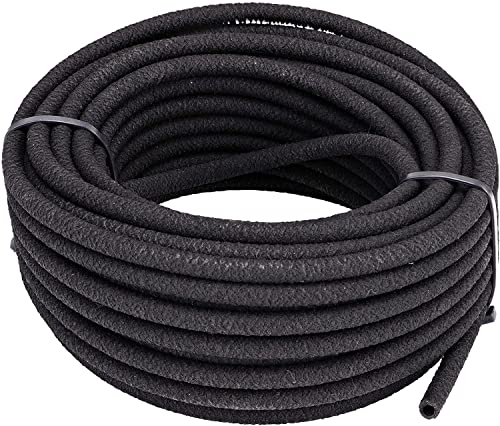
Slowly waters the soil around your plants for complete root zone hydration; Ideal for short runs on flat surfaces, such as vegetable gardens, borders, and around small plants

1/2" Water-Saving & Durable Construction with Upgraded Formula: Our enhanced soaker hose blend delivers ultra-consistent water seepage while maximizing water savings, plus improved tensile strength, durability, and flexibility. It’s easy to handle, resistant to kinks, and built to stand up to long-term use in lawns, yards, landscaping, and tree watering applications.

【Even & Consistent Root Watering】Features micro-pore seepage technology that distributes water evenly along the entire hose, transforming spot watering into uniform line watering directly to plant roots. Unlike traditional drip irrigation systems with clog-prone emitters, this soaker hose creates a continuous moisture band for healthier, deeper-rooted plants
Soil Preparation
Prepare the soil well before planting fruit trees. Test the soil for pH and nutrient levels, aiming for a pH of 6.0 to 6.8 for most fruit trees. Clear any weeds, rocks, and debris from the area.
Follow these steps for optimal preparation:
- Amend Soil: Add compost or aged manure to improve soil structure and fertility.
- Tilling: Turn the soil to a depth of at least 12 inches to promote aeration and drainage.
- Drainage: Ensure the site drains well to prevent waterlogging, which can harm roots.
Properly prepared soil encourages strong root growth and enhances fruit production.
Watering and Fertilization
Establish a consistent watering and fertilization routine after planting. Watering helps trees establish roots, while fertilization provides crucial nutrients for growth.
- Watering:
- Water newly planted trees deeply once or twice a week, depending on rainfall.
- Use a drip irrigation system or soaker hose to deliver moisture directly to the roots.
- Fertilization:
- Fertilize with a balanced fertilizer suitable for fruit trees. Apply in early spring as new growth begins.
- Follow label instructions for amounts; typically, 1-2 pounds of fertilizer per inch of trunk diameter works well.
Monitor soil moisture and adjust watering based on weather conditions. Proper care leads to healthy, productive fruit trees in your North Carolina orchard.
Conclusion
Timing is everything when it comes to planting fruit trees in North Carolina. By understanding the unique climate and seasonal changes you can set your trees up for success. Whether you choose to plant in early spring or late fall each season brings its own advantages.
Remember to consider the specific needs of each fruit tree variety and keep an eye on soil conditions and moisture levels. With a little planning and care you’ll be well on your way to enjoying a bountiful harvest in your very own orchard. Happy planting!
Frequently Asked Questions
When is the best time to plant fruit trees in North Carolina?
The best time to plant most fruit trees in North Carolina is during early spring, typically from late March to early April, when temperatures range from 50°F to 70°F. Fall, from late September to early November, is also suitable for specific varieties like apples and pears.
What types of fruit trees are suitable for North Carolina?
Some suitable fruit trees for North Carolina include apple trees (like ‘Gala’ and ‘Honeycrisp’), peach trees (such as ‘Elberta’ and ‘Contender’), and berry bushes (like blueberries and blackberries). These varieties adapt well to the state’s climate and growing conditions.
Should I plant potted or bare-root trees in spring?
In spring, it’s ideal to plant potted trees. Bare-root trees should typically be planted in early spring when the soil begins to warm, ensuring the best chance for successful growth and establishment.
How important is soil preparation before planting?
Soil preparation is crucial for fruit trees’ success. Test the soil for pH and nutrients, ideally maintaining a pH of 6.0 to 6.8. Amend the soil with compost or aged manure and ensure proper drainage for optimal growth.
How often should I water newly planted fruit trees?
Newly planted fruit trees should receive deep watering once or twice a week, especially during dry spells. Consistent moisture is vital for healthy root development and overall tree health in North Carolina’s climate.
