

Have you ever wondered if summer is the right time to prune your fruit trees? You’re not alone. Many gardeners face this dilemma, unsure whether snipping branches during the warmer months will help or hinder their trees.
Pruning can feel overwhelming, especially when you want to encourage healthy growth and a bountiful harvest. This article will guide you through the ins and outs of summer pruning, helping you understand the best practices and timing for your specific fruit trees. By the end, you’ll feel confident in your ability to care for your trees and maximize their potential.
Key Takeaways
- Pruning Timing: Late summer, especially after harvest, is the ideal time to prune fruit trees to promote healthy growth and fruit development.
- Proper Tools: Always use clean and sharp pruning tools to prevent diseases and ensure clean cuts for quicker recovery.
- Focus on Thinning: Concentrate on removing overcrowded and weak branches to improve air circulation and enhance fruit quality.
- Avoid Heavy Cuts: Limit pruning to no more than 25% of the tree’s foliage at once to minimize stress and vulnerability to pests.
- Monitor Tree Health: Look for signs such as crowded branches and water sprouts to determine when pruning is necessary for maintaining tree vigor.
- Beware of Risks: Pruning in summer can expose trees to diseases and additional stress, necessitating careful and considered techniques to ensure overall tree health.
Can I Prune My Fruit Trees In Summer?
Yes, you can prune your fruit trees in summer, but timing and technique matter. Summer pruning focuses on shaping trees and removing unwanted growth, which can promote healthier growth and improve fruit production.
Best Practices for Summer Pruning
- Choose the Right Time: Prune during late summer, preferably after the harvest. This timing allows trees to focus energy on fruit development during the growing season. For some types of trees, like peach or plum, late summer works best.
- Use Clean, Sharp Tools: Ensure your pruning shears and saws are clean and sharp. Clean tools prevent the spread of diseases, while sharp blades ensure clean cuts, aiding recovery.
- Focus on Removing Suckers: Suckers grow from the base or along the main trunk. Removing them directs energy into the tree’s productive branches.
- Thin Out Crowded Branches: Cut back overcrowded branches to improve airflow and sunlight penetration. This technique reduces disease risk and enhances fruit quality.
- Avoid Heavy Pruning: Keep cuts light. Heavy pruning can stress trees, making them vulnerable to pests and diseases. Aim to remove no more than 25% of the tree’s foliage at once.
Types of Fruit Trees and Summer Pruning Tips
| Fruit Tree Type | Pruning Focus | Additional Notes |
|---|---|---|
| Apple | Remove water sprouts | Focus on maintaining shape and allowing sunlight. |
| Peach | Control size | Cut back vigorous branches to prevent overcrowding. |
| Cherry | Thin for airflow | Remove small, weak branches to maintain strength. |
| Citrus | Shape the canopy | Prune lightly to encourage bushier growth. |
- Is summer pruning harmful?
If done correctly, summer pruning promotes health, but improper techniques can invite stress. - What should I do after pruning?
Apply proper care with regular watering and consider using a balanced fertilizer to support recovery. - Can I prune during a drought?
Avoid pruning during drought conditions. Focus on tree health first and prune when the environment is more favorable.
Follow these guidelines for summer pruning to enhance the vitality and productivity of your fruit trees.
Benefits Of Summer Pruning
Summer pruning offers several advantages for fruit tree care, especially when performed correctly. This practice helps maintain tree health and encourages robust fruit production.
Improved Air Circulation
Improved air circulation is a primary benefit of summer pruning. When you thin out crowded branches, you allow air to flow freely through the tree’s canopy. This airflow reduces humidity, minimizing the risk of fungal diseases. For instance, trees like peaches and plums benefit significantly from this increased ventilation, as it keeps them healthier and more productive.
Enhanced Fruit Quality
Enhanced fruit quality results from effective summer pruning. By removing excess growth, you direct the tree’s energy toward fewer, healthier fruit. This practice often leads to larger and sweeter fruits. For example, summer-pruned apple trees typically yield crisp, flavorful apples. Thinning out fruit during the summer also reduces competition among developing fruits, allowing each one to grow without strain.
Timing The Pruning
Timing plays a crucial role in summer pruning. Knowing when to prune ensures healthy growth and improves your fruit yield.
Recommended Products

Durable & Long-Lasting: Crafted from high-quality materials, these fruit tree branch pullers to withstand the rigors of outdoor use season after season. Resistant to rust, weathering, and wear, they provide consistent performance, becoming your go-to tools for maintaining your orchard year after year.
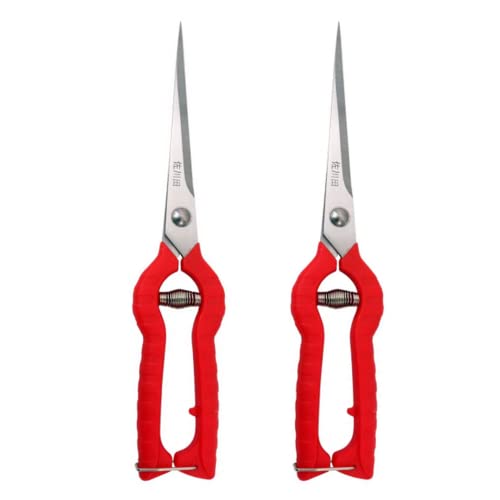
Total length : 245 mm blade length : 96 mm handle length : 122 mm closed handle width : 45 mm

Early Summer vs Late Summer
Pruning in early summer targets the tree before it enters its peak growth phase. This method often encourages robust foliage growth. However, late summer pruning, ideally after harvest, shifts the tree’s energy toward producing high-quality fruit. Late summer pruning lessens stress on the tree and minimizes the risk of excessive sap loss.
Signs Your Trees Need Pruning
Look for specific indicators that your fruit trees may require pruning.
- Crowded Branches: If branches overlap or crisscross, prune to enhance air circulation.
- Water Sprouts: Remove vigorous vertical shoots as they divert energy from fruit production.
- Dead or Diseased Wood: Cut away any dead or infected branches promptly to prevent spreading issues.
- Weak Growth: If branches show minimal growth or produce fewer fruits, thinning them can redirect energy to healthier areas.
By monitoring these signs, you’ll identify the right moments to keep your trees vigorous and fruitful.
Techniques For Summer Pruning
Summer pruning enhances the health and productivity of your fruit trees. Two main techniques are useful during this time: thinning and heading cuts.
Recommended Products
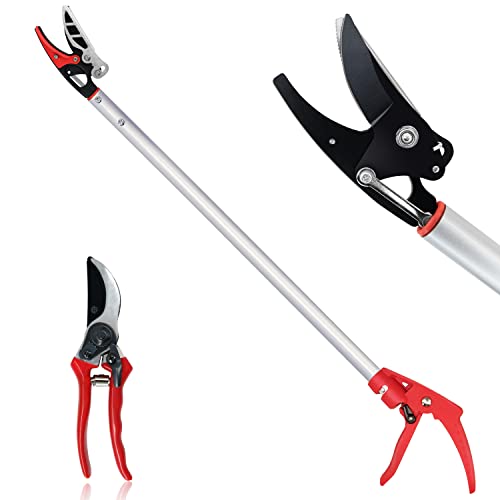
Long Handle Design: 32" handle length of the cut and hold pruners reduces back pain and stress, eliminating the need to bend over for trimming; It can also easily stretches to higher branches or thorns.


SUPER LIGHTWEIGHT CUT AND HOLD PRUNERS SET: Our Long Reach Pruner weighs 0.79lbs, appropriate length 32 inch is suitable for relaxed cutting. When you deal with twiggy young tree branches, leaves, fruit spur or fence, one hand is enough. There has a minor hand pruner in this set can solve your lower pruning, a bonus garden glove can protect your hand.
Thinning
Thinning involves selectively removing branches, which helps improve air circulation and light penetration. This technique:
- Focuses on congested areas. Remove crowded branches to reduce competition for nutrients and sunlight.
- Targets weak or unhealthy growth. Assess each branch’s vigor and eliminate those that are not thriving.
- Encourages growth in desirable branches. By thinning, you allow the tree’s energy to nourish fewer, stronger shoots.
For example, when thinning peach trees, you might remove unnecessary branches to encourage larger, juicier fruits.
Heading Cuts
Heading cuts involve cutting back a branch to a bud or a smaller branch. This technique:
- Stimulates bushier growth. By making heading cuts, you promote the development of lateral shoots, resulting in a fuller tree.
- Targets specific problem areas. Use this method to control tree height or shape, particularly in young fruit trees that require training.
- Enhances sun exposure to fruit. This technique ensures that the central parts of the tree get adequate sunlight, improving fruit ripening.
When dealing with apple trees, heading cuts can effectively manage height while enhancing fruit quality.
By applying these techniques correctly, you enhance your tree’s health and improve its overall fruit production.
Potential Risks Of Pruning In Summer
Pruning fruit trees in summer presents potential risks that every gardener should consider. Understanding these risks can help you make informed decisions about when and how to prune.
Recommended Products

PROFESSIONAL GARDENING GRAFTING TOOLS: Including 2 in 1 grafting pruning tools, 3 replaceable blades, a grafting knife, a screwdriver, a wrench, 2 grafting films, 160 rubber bands, 40 wide rubber bands, and 50 colorful tag cards

【Surgical-Precision Grafting Tools】 Crafted with Japanese SK5 High-Carbon Steel blades (HRC 58-60 hardness) and ergonomic ABS handles, our 2-in-1 pruner delivers clean cuts up to 1/2" diameter branches. Dual-edge Ω/U/V blades prevent stem crushing, boosting grafting success rates by 40%* (*lab test data).

✂Multifunctional -2 in 1 Garden Grafting Tools-Professional grafting set allows you to pruning and grafting at the same time, saving more time and effort than traditional grafting methods, easy to use and more efficient. It allows you to trim away excess leaves and twigs and prepare the plants to be grafted. At the same time, you can make a precise cut into the grafting stock with the special grafting blade.
Exposure To Diseases
Pruning during summer can expose trees to diseases, especially if proper care isn’t taken. Open wounds from cuts can invite pathogens, particularly during warm, humid conditions. For example, stone fruits like peaches are prone to diseases such as peach leaf curl, which can be exacerbated by improper pruning techniques. To minimize disease risk, always use clean, sterilized tools. This prevents the transfer of diseases between trees. Additionally, avoid pruning your trees during wet weather, as this increases the likelihood of fungal infections taking hold.
Stress On The Tree
Summer pruning can stress trees and hinder their growth. Cutting back branches removes a portion of the tree’s foliage, which is vital for photosynthesis. Trees already stressed by heat or drought can face even more challenges when pruned. For instance, young or newly transplanted trees may struggle to recover if pruned in peak summer heat. To alleviate stress, aim for light pruning rather than heavy cuts. Focus on removing only a few branches at a time and always keep the tree’s overall health in mind. Pruning later in summer or right after harvest can reduce the stress impact, allowing trees to refocus energy on recovery and fruit development.
Conclusion
Summer pruning can be a great way to keep your fruit trees healthy and productive. By choosing the right time and techniques you can enhance air circulation and fruit quality while minimizing stress on the tree. Remember to keep an eye on those signs that indicate when pruning is needed and always use clean tools to avoid introducing diseases.
With proper care and attention your trees can thrive and reward you with a bountiful harvest. So don’t hesitate to give summer pruning a try and watch your fruit trees flourish!
Frequently Asked Questions
Is summer a good time to prune fruit trees?
Yes, summer can be a good time to prune fruit trees. Late summer, after the harvest, is particularly beneficial for promoting healthier growth and improving fruit production.
What are the best practices for summer pruning?
Use clean, sharp tools, remove suckers, thin crowded branches, and avoid heavy pruning. Focus on branches that block light or air circulation to maintain tree health.
What types of fruit trees can be pruned in summer?
Fruit trees like apples, peaches, cherries, and citrus can be pruned in summer. Tailor your approach to each type for the best results.
What are the benefits of summer pruning?
Summer pruning improves air circulation, reduces fungal disease risks, enhances fruit quality, and directs energy toward larger, healthier fruits.
What is the difference between early and late summer pruning?
Early summer pruning encourages robust foliage growth, while late summer pruning focuses on shifting energy to fruit production after harvest.
How do I know when to prune my fruit trees?
Signs include crowded branches, water sprouts, dead or diseased wood, and weak growth. Regular monitoring helps maintain tree vigor and productivity.
What techniques should I use for summer pruning?
Use thinning cuts to improve air circulation and light penetration, and heading cuts to promote bushier growth. Both techniques enhance overall fruit production.
Are there any risks associated with summer pruning?
Yes, summer pruning can expose trees to diseases and stress. Use sterilized tools to minimize pathogen risks and avoid heavy pruning, especially during drought or heat.
What post-pruning care should I consider?
After pruning, ensure proper watering and avoid fertilizing immediately. Monitor the tree for stress signs to care for it effectively in the following weeks.
