

Have you ever wondered why your apple tree keeps producing fruit when you’d rather it didn’t? Maybe it’s taking up too much space or you’re simply looking to reduce the mess in your yard. Whatever the reason, you’re not alone in facing this challenge.
Key Takeaways
- Understand Apple Tree Biology: Familiarize yourself with the life cycle and growth stages of apple trees to better manage fruit production.
- Identify Influencing Factors: Recognize key aspects such as tree variety, pollination, climate, nutrient levels, and pruning practices that affect fruit yield.
- Evaluate Your Reasons: Determine your specific motivations for stopping fruit production, whether due to space constraints or aesthetic preferences.
- Utilize Pruning Techniques: Implement effective pruning methods, such as summer pruning and thinning cuts, to redirect the tree’s energy away from fruit development.
- Consider Chemical Treatments: Explore options like growth regulators and harvesting agents, while adhering to local regulations, to suppress fruit set.
- Prioritize Tree Health: Maintain regular monitoring and care of your apple tree to promote overall health, which can help reduce unwanted fruiting.
Understanding Apple Trees
Apple trees are popular among homeowners for their beauty and fruit. However, understanding their biology and growth habits is crucial for managing fruit production.
Life Cycle of an Apple Tree
Apple trees typically go through distinct stages in their life cycle. They start as seeds, which germinate under suitable conditions. The seedling stage lasts about one to two years. After this, the tree enters the juvenile phase, lasting 2 to 4 years. During this time, it focuses on root and leaf growth.
As the tree matures, it reaches the bearing phase, typically around 4 to 6 years old. It starts producing flowers and fruit. This phase can last many years, depending on the variety and care received. Finally, older trees may enter a decline stage, where fruit production decreases.
Factors Influencing Fruit Production
Several factors influence whether an apple tree produces fruit. Key factors include:
- Tree Variety: Some varieties bear fruit more abundantly than others. Choosing a low-fruit variety helps manage production.
- Pollination: Apple trees often need pollen from another tree to produce fruit. Lack of nearby pollinators can reduce fruit set.
- Climate and Weather: Extreme weather conditions, such as frost or drought, affect flowering and fruit development.
- Nutrient Levels: Adequate fertilization supports healthy growth. However, excessive nitrogen can lead to lush foliage and minimal fruit.
- Pruning Practices: Proper pruning encourages healthy growth. Excessive or incorrect pruning can limit fruiting.
By understanding these aspects, you can effectively influence your apple tree’s fruiting behavior.
Reasons to Stop Fruit Production
Stopping your apple tree from producing fruit can serve various beneficial purposes. Understanding your reasons helps you choose the right approach.
Recommended Products


UPGRAFE PROFESSIONAL GARDENING GRAFTING TOOLS: Professional grafting set, including 2 in 1 grafting pruning tools, 3 replaceable blades, a grafting knife, a pruning shears, a screwdriver, a wrench, 3 grafting films, and 45 colorful tag cards

𝐆𝐞𝐧𝐭𝐥𝐞 𝐅𝐫𝐮𝐢𝐭 𝐇𝐚𝐫𝐯𝐞𝐬𝐭𝐢𝐧𝐠: Home-X fruit picking basket features uniquely designed finger-like prongs that gently grasp and pull apples, peaches, and more from branches without causing bruising or damage to the delicate fruit.
Space Limitations
Space can become an issue when fruit trees grow larger than expected. You might lack room for fallen apples, which can attract pests or create a messy yard. If your yard is small or filled with other plants, limiting fruit production helps maintain the balance. Consider thinning out branches or using certain pruning methods to discourage fruiting while still allowing for a healthy tree structure.
Aesthetic Preferences
Some prefer a tidy garden. If you value a clean look without the clutter of fallen fruit, you may want to prevent fruit production. An apple tree in full bloom offers beauty, yet those same blooms can turn into unwanted fruit. To achieve a visually appealing landscape, regular pruning can keep the tree’s shape uniform while reducing the chance of fruiting.
Methods to Stop an Apple Tree from Producing Fruit
You can implement several effective methods to stop an apple tree from producing fruit. Understanding the right approaches can lead to healthier trees and a clutter-free yard.
Recommended Products

STOPS FRUIT – This plant growth regulator prevents unwanted nuisance fruit or nut formation on numerous trees listed on the label, including crabapple, flowering pear, flowering plum, maple, chestnut, olive, sweet gum (liquidambar), sour orange and more.

STOPS FRUIT – This plant growth regulator prevents unwanted nuisance fruit or nut formation on numerous trees listed on the label, including crabapple, flowering pear, flowering plum, maple, chestnut, olive, sweet gum (liquidambar), sour orange and more.
KEY FEATURE: Systemic, foliarly absorbed Type 2 PGR that promotes lateral growth in turf while limiting top growth and suppressing seedheads of Poa and white clover
Pruning Techniques
Pruning remains a primary method for controlling fruit production. Use the following techniques:
- Summer Pruning: Focus on pruning in summer when trees are actively growing. Remove young shoots and excess branches to limit energy directed towards fruit development.
- Thinning Cuts: Thin out crowded areas by cutting back branches. Work on inner limbs to improve airflow and light penetration, reducing the urge to bear fruit.
- Heading Cuts: Cut back the tips of branches to control height and shape. This method also discourages fruiting by directing nutrients away from the fruiting zones.
- Timing: Always prune at the right time. Late winter to early spring works best for structural pruning, while summer pruning prevents fruit formation before it starts.
Chemical Treatments
Chemical treatments can effectively stop an apple tree from producing fruit. Here are some options:
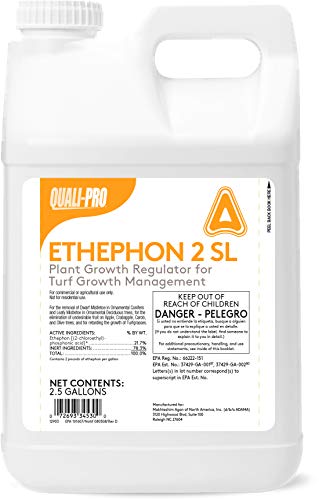
- Growth Regulators: Apply growth regulators like ethephon. These suppress fruit set by interrupting the hormonal balance in the tree. Ensure to follow dosage instructions carefully.
- Harvesting Agents: Use harvesting agents early in the season to interrupt the fruiting process. These products block spur development and help prevent fruit production.
- Preventative Sprays: Consider applying sprays containing specific compounds that deter fruit set. This can include solutions targeting flowering processes to stop pollination.
- Local Regulations: Check local agricultural guidelines regarding chemical use. Always confirm that treatments meet local regulations and support tree health.
Implementing these methods helps manage your apple tree’s fruit production effectively. Choose the right methods that fit your tree’s needs and your garden’s aesthetic.
Best Practices for Tree Care
Proper tree care helps you manage fruit production effectively. By focusing on specific practices, you can achieve a balance that suits your yard’s needs.
Timing and Frequency
Timing and frequency of your pruning sessions greatly impact fruit production. Aim to prune apple trees during the dormant season, typically late winter or early spring. This period encourages healthy growth without stressing the tree. Prune annually to maintain control over fruiting. Consider thinning cuts in summer; this method reduces fruit set by diverting energy to fewer branches. Regular maintenance keeps your apple tree healthy and minimizes unwanted fruit.
Monitoring Tree Health
Monitoring tree health is crucial in preventing excessive fruiting. Keep an eye on leaf color, branch development, and overall growth patterns. Signs of stress, such as wilting leaves or blackened bark, indicate potential issues that could increase fruit production. Addressing these problems quickly fosters a healthier tree that requires less fruiting stress. Use mulching and consistent watering to enhance tree vitality. A well-cared-for apple tree is less likely to generate fruit in abundance.
Conclusion
Managing your apple tree’s fruit production can really transform your yard into a more enjoyable space. By using the right pruning techniques and understanding your tree’s needs you can effectively reduce unwanted fruit while keeping your tree healthy.
Don’t forget to monitor your tree’s overall health and adjust your care practices as needed. With a little effort and attention you’ll create a beautiful garden that reflects your preferences without the hassle of fallen fruit. Enjoy your gardening journey and the satisfaction of a well-maintained apple tree.
Frequently Asked Questions
Why do apple trees produce fruit when I don’t want them to?
Apple trees produce fruit as part of their natural life cycle. Factors such as tree variety, pollination, climate, and care practices affect fruiting. If left unmanaged, they will naturally bear fruit, leading to potential mess and space issues in your yard.
How can I stop my apple tree from producing fruit?
To stop your apple tree from producing fruit, consider pruning techniques. Methods like summer pruning, thinning cuts, and heading cuts can redirect the tree’s energy and resources away from fruit production. Be sure to prune during the dormant season for the best results.
What are the benefits of limiting fruit production?
Limiting fruit production can help manage space in smaller yards, reduce the mess from fallen fruit, and prevent pests attracted to decaying apples. A tidier garden can enhance visual appeal and minimize maintenance efforts, allowing for a more pleasant outdoor space.
When is the best time to prune my apple tree?
The best time to prune apple trees is during the dormant season, which typically falls in late winter or early spring. This timing helps minimize stress on the tree while promoting healthier growth and more effective management of fruit production.
Are there chemical treatments to stop apple trees from producing fruit?
Yes, chemical treatments like growth regulators and harvesting agents can be used to suppress fruit production. These chemicals alter the tree’s hormonal balance, but it’s essential to check local regulations regarding their use to ensure compliance and protect overall tree health.
