
Close Menu
    Fruit Tree Hub
    • Home
    • Apple Trees
    • Lemon Trees
    • Mango Trees
    • Orange Trees
    • More Trees
      • Best Fruit Trees
      • Apricot Trees
      • Cherry Trees
      • Fig Trees
      • Lime Trees
      • Mulberry Trees
      • Peach Trees
      • Pear Trees
      • Plum Trees
      • Pomegranate Trees
    • Tips and Advice
      • Tools
    • About Us
      • Contact
      • Privacy Policy
    Fruit Tree Hub
    Home»Fruit Trees»Walnut Trees»The Best Pruning Techniques for Walnut Trees
    Walnut Trees

    The Best Pruning Techniques for Walnut Trees

    Lucy SmithBy Lucy SmithFebruary 1, 20245 Mins Read
    Share Facebook Twitter Pinterest WhatsApp Email
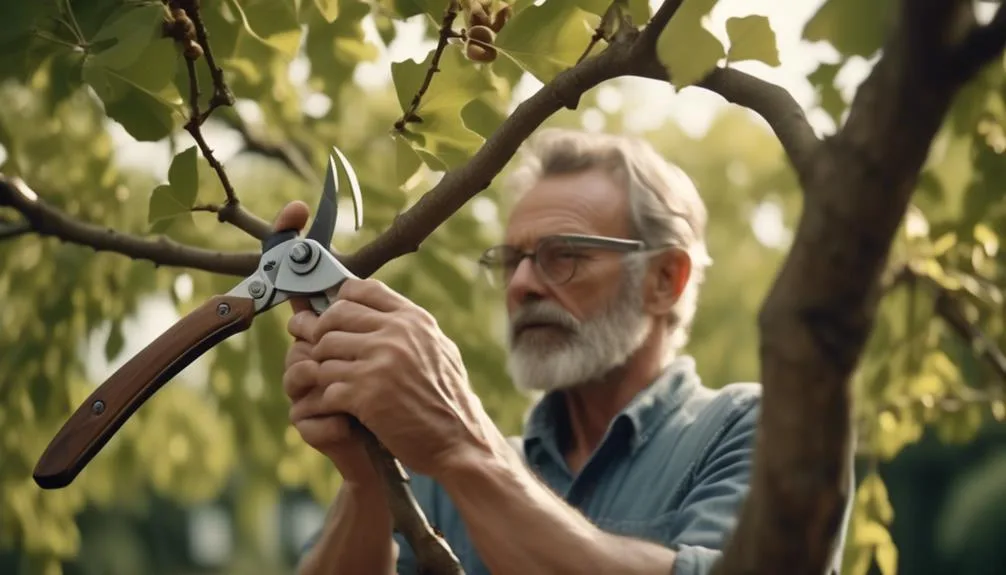
    optimal pruning methods for walnut trees
    Share
    Facebook Twitter LinkedIn Pinterest Telegram Email

    Properly pruning walnut trees is crucial for their health and productivity. The way you prune these majestic trees can make a big difference in how they grow and produce fruit.

    Contents show
    1 Key Takeaways
    2 Timing of Pruning
    3 Pruning Tools and Equipment
    4 Selective Branch Pruning
    5 Crown Thinning Techniques
    6 Disease Prevention Through Pruning
    7 Conclusion

    Knowing the best practices for walnut tree pruning is important for the overall health and yield of your orchard. Whether you're an experienced arborist or new to tree care, mastering the art of walnut tree pruning is a valuable skill for your trees' well-being.

    Key Takeaways

    • Late winter or early spring is the best time to prune walnut trees to minimize stress and reduce the risk of disease or pest infestations.
    • Pruning shears, loppers, and a pruning saw are essential tools for effectively pruning walnut trees.
    • Selective branch pruning should focus on removing damaged, diseased, or crossing branches while maintaining a balanced framework for optimal sunlight exposure and air circulation.
    • Crown thinning promotes better air circulation, reduces the risk of disease and pest infestation, and allows each branch to receive adequate sunlight and nutrients.

    Timing of Pruning

    When pruning walnut trees, it's crucial to consider the timing of the pruning to ensure optimal tree health and productivity. The best season to prune walnut trees is during late winter or early spring when the tree is dormant. This timing helps minimize stress on the tree and reduces the risk of disease or pest infestations.

    Additionally, pruning during this period allows the tree to heal more quickly and efficiently. Another important factor to consider is the optimal age for pruning walnut trees. Ideally, young walnut trees should be pruned to establish a strong framework of branches, while mature trees benefit from regular maintenance pruning to remove dead or diseased wood, improve air circulation, and maintain overall tree structure.

    MUST READ
    Can Walnut Trees Be Trained for Espalier

    Understanding the best season and optimal age for pruning walnut trees is essential for promoting tree health and maximizing productivity.

    Pruning Tools and Equipment

    Considering the optimal timing and age for pruning walnut trees, selecting the right pruning tools and equipment is critical to ensure effective and precise tree maintenance. When it comes to pruning safety and proper technique, the following tools and equipment are essential:

    • Pruning Shears: These are ideal for small branches and twigs. Look for sharp, bypass pruning shears to make clean cuts without causing unnecessary damage to the tree.
    • Loppers: For branches with a diameter of up to 2 inches, loppers provide the extra reach and leverage needed to make clean cuts.
    • Pruning Saw: When dealing with larger branches, a pruning saw with sharp teeth and a comfortable handle is crucial for precision and efficiency.

    Remember to always prioritize safety by wearing gloves, safety glasses, and ensuring all tools are well-maintained and sharp.

    Recommended Products

    Corona Tools 13-Inch RazorTOOTH Pruning Saw | Tree Saw Designed for Single-Hand Use | Curved Blade Hand Saw | Cuts Branches up to 7" in Diameter | RS 7120
    Corona Tools 13-Inch RazorTOOTH Pruning Saw | Tree Saw Designed for Single-Hand Use | Curved Blade Hand Saw | Cuts Branches up to 7" in Diameter | RS 7120

    Razortooth saw technology removes more material in each pass

    VIEW LATEST PRICE

    As an affiliate, we earn on qualifying purchases.

    Fiskars 8-12 Ft Extendable 2-in-1 Tree Pruner & Pole Saw with Rotating Head
    Fiskars 8-12 Ft Extendable 2-in-1 Tree Pruner & Pole Saw with Rotating Head

    IDEAL BRANCH TRIMMER: Tree pruner that extends from 7.9 to 12 feet; Lightweight aluminum pole weighing less than five pounds to help minimize fatigue; Ideal for cutting high branches, or making low cuts without bending or kneeling

    MUST READ
    Why Do Walnut Trees Produce Nuts Biennially
    VIEW LATEST PRICE

    As an affiliate, we earn on qualifying purchases.

    GARTOL Cut & Hold Pole Pruner, 4.2 FT Lightweight Fruit Picker with 180° Rotating Handle, SK5 Steel Blade Cuts up to 1/2 Inch, Long Reach Garden Tree Trimmer & Branch Cutter for Shrubs, Bushes
    GARTOL Cut & Hold Pole Pruner, 4.2 FT Lightweight Fruit Picker with 180° Rotating Handle, SK5 Steel Blade Cuts up to 1/2 Inch, Long Reach Garden Tree Trimmer & Branch Cutter for Shrubs, Bushes

    [Cut & Hold Pole Pruner for Tree Trimming] This long reach cut and hold pruner makes it easy to grip and remove branches, flowers, or fruit without dropping them. Perfect as a pole fruit picker for harvesting lemons, oranges, apples, or persimmons, and for trimming shrubs and bushes without climbing a ladder.

    VIEW LATEST PRICE

    As an affiliate, we earn on qualifying purchases.

    Selective Branch Pruning

    To effectively perform selective branch pruning on walnut trees, it's crucial to identify and remove any damaged, diseased, or crossing branches to promote tree health and productivity. When assessing the branch structure, focus on maintaining a balanced framework that allows for optimal sunlight exposure and air circulation throughout the tree.

    Start by evaluating the main scaffold branches and removing any that are weak or growing at narrow angles. This will help prevent future structural issues and promote overall tree health. Additionally, be on the lookout for any branches that are rubbing against each other, as these can cause wounds and create entry points for diseases.

    Crown Thinning Techniques

    For optimal tree health and productivity, it's essential to employ crown thinning techniques to selectively remove interior branches in the upper canopy. Crown thinning is a crucial aspect of walnut tree care, as it promotes tree health, enhances aesthetics, and improves overall productivity. Here are some key points to consider when employing crown thinning techniques:

    • Tree Health: Crown thinning promotes better air circulation, reducing the risk of disease and pest infestation, ultimately contributing to the overall health of the tree.
    • Proper Spacing: By selectively removing branches, you can ensure proper spacing between branches, preventing overcrowding and allowing each branch to receive adequate sunlight and nutrients.
    • Light Penetration: Thinning the crown allows more sunlight to penetrate the canopy, promoting photosynthesis and healthy growth throughout the tree.
    MUST READ
    Can Walnut Trees Be Grown Indoors

    Disease Prevention Through Pruning

    To prevent diseases in walnut trees through pruning, it's crucial to adhere to proper techniques and timing for removing infected or damaged branches. Implementing preventative measures is essential to combat fungal infections and ensure the optimal health of your walnut trees.

    Proper pruning promotes nutrient circulation, as it redirects vital resources to healthier parts of the tree, enhancing its ability to ward off diseases. When pruning to prevent diseases, focus on removing any dead, diseased, or dying branches. These are prime targets for fungal infections and can compromise the overall health of the tree.

    Conclusion

    Incorporating these pruning techniques during the dormant season will promote healthy growth and longevity for your walnut trees.

    By using sharp, clean tools and selectively removing unwanted branches while preserving the tree's natural shape, you can enhance air circulation and light penetration.

    This not only helps prevent diseases but also ensures the thriving of your walnut trees for years to come.

    Happy pruning, and may your walnut trees flourish with vitality and abundance.

    Share. Facebook Twitter Pinterest LinkedIn Tumblr Email
    lucy smith
    Lucy Smith
    • Website

    Lucy Smith is a highly experienced horticulturist with a passion for fruit tree cultivation. She holds a degree in Horticulture from the University of California, Davis, and has worked in various roles in the industry. With over 10 years of experience, Lucy is dedicated to using eco-friendly methods for sustainable gardening practices.

    Related Posts

    Why Do Walnut Trees Produce Bitter Walnuts

    February 4, 2024

    Can Walnut Trees Adapt to Climate Change

    February 4, 2024

    Creating a Wildlife Habitat With Walnut Trees

    February 4, 2024

    Where Are Walnut Trees Considered Invasive

    February 4, 2024

    Is Walnut Tree Pollen Allergenic

    February 4, 2024

    Can Walnut Trees Be Used in Traditional Remedies

    February 4, 2024
    Leave A Reply Cancel Reply

    Affiliate Disclosure

    As an Amazon Associate I earn from qualifying purchases.

    Recommended Reading

    Can You Buy Mature Fruit Trees for Instant Harvest and Easy Gardening Success

    Do Weeping Cherry Trees Have Fruit and What You Need to Know About Their Care

    What Fruit Does an Oak Tree Produce and Why Acorns Matter for Wildlife and Ecosystems

    Growing Grapefruit Trees from Seed: A Complete Guide to Cultivating Fresh Fruits at Home

    What Type of Fruit Tree Is This: Simple Tips for Easy Identification and Care

    Grapefruit Trees in Baton Rouge, LA: Southern Growth Guide

    How Much Water Does a Tangerine Tree Need? Essential Tips for Healthy Growth

    Papaya Trees in North Carolina: Piedmont Regional Advice

    Apple Trees in St. Petersburg, FL: Gulf Coast Sun Success

    Ultimate Guide: How to Grow Cantaloupe Hydroponically with Expert Tips

    Fruit Tree Hub

    Fruit Tree Hub is a website dedicated to providing you everything you need to grow fruit trees successfully at in your own yard.

    Contact us at: [email protected]

    - AFFILIATE DISCLOSURE: As an Amazon Associate I earn from qualifying purchases.

    Latest Posts

    21 Colorful Halloween Crochet Motifs Featuring Pumpkins Bats and Black Cats

    23 Smart Halloween Crochet Ideas to Sell as Keychains and Coasters

    22 Fun Halloween Crochet Ideas Built Around Treat Bags and Hats

    23 Adorable Halloween Amigurumi Ideas Featuring Ghosts and Black Cats

    22 Compact Halloween Crochet Decorations for Shelves and Small Spaces

    19 Practical Halloween Crochet Decorations Designed for Tabletop Displays

    24 Cozy Halloween Crochet Decor Ideas Built Around Mantel Garlands

    19 Playful Kawaii Halloween Crochet Ideas Featuring Smiling Spooky Characters

    Categories
    • Almond Trees
    • Apple Trees
    • Apricot Trees
    • Best Fruit Trees
    • Blackberry
    • Cantaloupe
    • Cherry Trees
    • Crochet Ideas
    • Crochet Ideas for Beginners
    • Cucamelon
    • Easy Crochet Ideas
    • Easy Knitting Projects
    • Fall Crochet Ideas
    • Fig Trees
    • Grapefruit Trees
    • Grapes
    • Guava Trees
    • Halloween Crochet Ideas
    • Honeydew
    • Jujube Trees
    • Kiwi
    • Knitting For Beginners
    • Knitting Ideas
    • Knitting Inspiration
    • Lemon Trees
    • Lime Trees
    • Loquat Trees
    • Mango Trees
    • Mulberry Trees
    • Nectarine Trees
    • Olive Trees
    • Orange Trees
    • Papaya Trees
    • Peach Trees
    • Pear Trees
    • Persimmon Trees
    • Planting
    • Plum Trees
    • Pomegranate Trees
    • Quince Trees
    • Raspberry
    • Reviews
    • Small Crochet Ideas
    • Star Fruit Trees
    • Summer Crochet Ideas
    • Tamarind Trees
    • Tangerine Trees
    • Tips and Advice
    • Tools
    • Uncategorized
    • Walnut Trees
    © 2026 Fruit Tree Hub
    • Home
    • About Us
    • Contact
    • Privacy Policy
    • Terms and Conditions
    • Disclaimer
    • Editorial Policy
    • Affiliate Disclosure

    Type above and press Enter to search. Press Esc to cancel.