

Have you ever thought about growing your own fruit trees in Michigan? With its unique climate and soil conditions, Michigan offers a fantastic opportunity for home gardeners to cultivate delicious fruits right in their backyards.
Key Takeaways
- Understanding Climate and Hardiness Zones: Michigan’s diverse climate, spanning hardiness zones 4 to 6, influences the types of fruit trees you can successfully grow. Selecting trees suitable for your specific zone is crucial.
- Popular Fruit Trees: Common fruit trees like apples (Honeycrisp, Fuji), cherries (Bing, North Star), and pears (Bartlett, Bosc) thrive in Michigan, requiring well-drained soil and full sun for optimal growth and yield.
- Lesser-Known Varieties: Consider planting less common fruit trees such as plums (Methley, Santa Rosa) and peaches (Red Haven, Elberta) to diversify your garden and enjoy unique fruit flavors.
- Seasonal Care: Proper seasonal management, including protective measures against late frosts in spring and appropriate pruning in autumn, is essential for healthy fruit tree cultivation in Michigan.
- Soil Preparation and Pest Management: Prepare well-drained, fertile soil and implement pest management techniques such as promoting beneficial insects and using organic sprays to ensure robust fruit tree health.
Understanding Michigan’s Climate
Michigan offers a diverse climate that supports various fruit trees. The combination of temperature variations, soil types, and precipitation patterns influences your choices in fruit gardening.
Hardiness Zones in Michigan
Michigan spans several hardiness zones, primarily zones 5 and 6, with some areas reaching zone 4. Zone 5 features average minimum winter temperatures between -10°F and -20°F, allowing for a wide range of fruit trees. Zone 6, with temperatures between 0°F and -10°F, provides the perfect environment for more sensitive varieties like peaches and apricots. When selecting fruit trees, pay attention to their hardiness zone to ensure successful growth.
Seasonal Considerations
Seasons in Michigan affect fruit trees significantly. Spring brings warmth, making it crucial for tree blooming and fruit set. Choose trees that bloom late to avoid frost damage, such as certain apple varieties. Summer heat encourages fruit ripening, while regular watering supports healthy growth. Autumn brings cooler temperatures and a need for proper pruning, helping your trees prepare for winter. In winter, protect trees from extreme cold by using mulch and wrapping trunks to prevent damage from temperature fluctuations. Keeping these seasonal considerations in mind enhances your gardening success.
Popular Fruit Trees in Michigan
Michigan’s climate supports a variety of fruit trees. Gardeners can enjoy the fruits of their labor with careful selection and management.
Recommended Products

🍎 3 Live Apple Tree Saplings: Receive three healthy young apple tree saplings ready to plant and grow in your garden, backyard orchard, or container. Plants ship dormant (not leaves or fruit) in spring.

Product Quantity: 180+ premium bonsai fruit seeds across 5 varieties; Individual packs contain 40+ apple, 40+ lemon, 40+ orange, 20+ blueberry, and 40+ cherry seeds; Perfect for starting a diverse miniature orchard
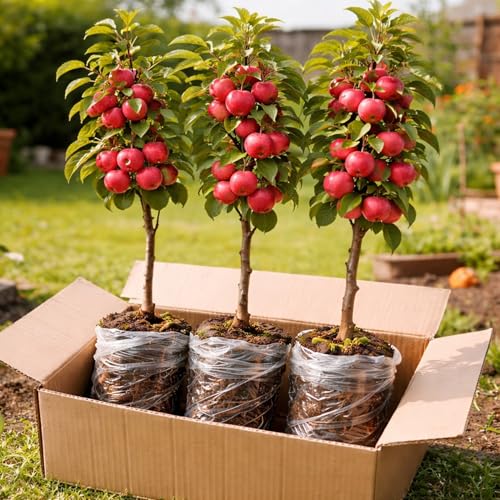
🍎 3 Live Crabapple Tree Saplings: Receive three healthy young apple tree saplings ready to plant and grow in your garden, backyard orchard, or container. Plants ship dormant (not leaves or fruit) in spring.
Apple Trees
Apple trees thrive in Michigan’s hardiness zones. Choose apple varieties like Honeycrisp, Fuji, and Gala for flavorful options. Plant in well-drained soil with full sun exposure. Prune annually to enhance air circulation and fruit production. Harvest apples in late summer to early fall for the best flavor.
Cherry Trees
Cherry trees, both sweet and sour, grow well in Michigan. Consider planting varieties such as Bing and North Star. These trees prefer well-drained, sandy loam soil and full sun. Protect blossoms from late spring frost using protective covers. Harvest cherries in mid to late summer for optimal sweetness.
Pear Trees
Pear trees are also suitable for Michigan gardens, with varieties like Bartlett and Bosc performing excellently. Plant in fertile, well-drained soil that receives full sunlight. Pollination requirements differ by variety, so consider planting multiple trees for best yields. Harvest pears in late summer to early fall, when they show a slight color change and yield to gentle pressure.
Lesser-Known Fruit Trees
Discovering lesser-known fruit trees can enhance your Michigan garden. These trees offer unique flavors and experiences, supporting biodiversity in your yard.
Recommended Products

No ship to CA, Comes with a live green June plum plant, approximately 2 to 3 feet tall
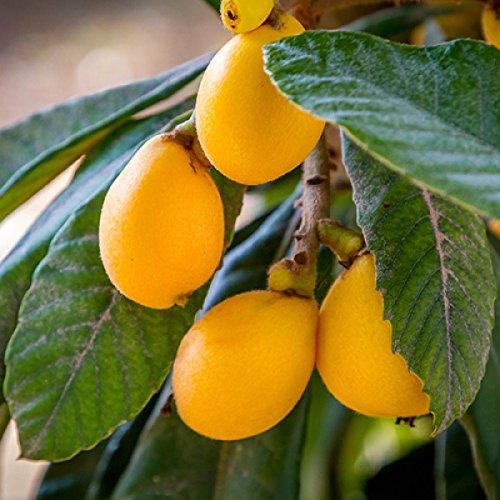
Specifications: Japanese Loquat, Height Growth Average 8-20 Feet, Pot Size 3.5 x 2.5 Inch, Dormant, Perennial

9EzTropical - June Plum Tropial Fruit Trees - 1 Plant - 1 to 2 Tall - Ship in 6" Pot
Plum Trees
Plum trees thrive in Michigan’s climate, especially varieties like ‘Methley’ and ‘Santa Rosa.’ These trees prefer full sun and well-drained soil. Plant them in the spring, spacing them 15 to 20 feet apart for optimal growth.
Plum trees require regular pruning to maintain shape and promote air circulation. Harvest typically occurs in late summer, around July, when fruits turn a deep color. Trees may need cross-pollination, so consider planting more than one variety for better yields.
Peach Trees
Peach trees add sweetness to your garden with varieties like ‘Red Haven’ and ‘Elberta.’ These trees enjoy full sun and well-drained soil, similar to plum trees. Plant them in early spring, spacing at least 15 to 20 feet apart.
Regular pruning helps manage growth and improve fruit quality. Peaches often ripen in mid-summer, usually from late July to early August. Protection from late frosts is crucial, as blossoms can be vulnerable. Employing row covers or planting in protected areas can mitigate frost damage.
Tips for Growing Fruit Trees in Michigan
Growing fruit trees in Michigan requires specific strategies to ensure robust and healthy plants. Here are essential tips to help you succeed.
Recommended Products

Accurate Soil pH Testing: Dewildetradingco Soil pH Test Strips offer measurements of soil pH levels (pH 3.5-9). As an essential tool for every gardener and grower, these test strips help determine the optimal pH for various plants, such as outdoor plants, indoor plants, gardens, grass lawns, fruit trees, flowers, vegetables, and forest shrubs.

【4 in 1 function】This is a 4-in-1 multifunctional soil tester.Our soil tester fastly to measure soil moisture, pH, temperature and sunlight to help you take better care of flowers and plants.You can know when you need to water your soil by measuring moisture and pH & Temperature value of the soil and sunlight level of plants with it.
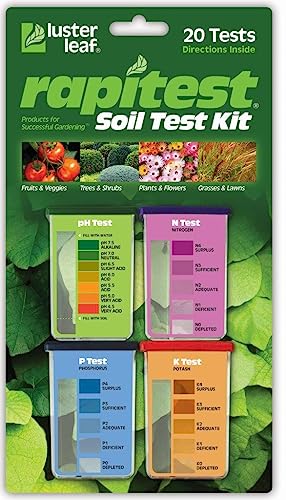
Quick, at home results for Soil pH, Nitrogen, Phosphorous and Potash Innovative and inexpensive soil test kit features an easy-to-use capsule system and patented color comparators
Soil Preparation
Prepare your soil before planting fruit trees. Test your soil’s pH, aiming for a range of 6.0 to 7.0 for optimal growth. Amend the soil with organic matter like compost to improve drainage and fertility.
Use well-drained soil. Heavy clay can suffocate roots. If your soil has poor drainage, consider raised beds to promote airflow and prevent root rot.
Add mulch around your trees. Mulch retains moisture, regulates temperature, and suppresses weeds. Use organic materials like wood chips or straw, keeping it a few inches away from the trunk to prevent rot.
Pest Management
Implement proactive pest management techniques. Regularly inspect your trees for signs of pests or diseases. Early detection improves treatment effectiveness.
Consider promoting beneficial insects. Ladybugs and lacewings can help control pest populations without using chemicals. Planting a variety of flowers can attract these helpful insects.
Use appropriate sprays when needed. For example, neem oil is effective against aphids and spider mites. Always follow label instructions to minimize harm to beneficial insects.
Rotate crops when planting annuals near your trees. Rotating crops can prevent specific pests and diseases from becoming established in your garden. It also improves soil health by varying nutrient demands.
By following these tips for soil preparation and pest management, you enhance your chances of successfully growing fruit trees in Michigan.
Conclusion
Growing fruit trees in Michigan is a rewarding experience that can bring fresh flavors right to your backyard. With the right choices and care you can enjoy a bountiful harvest of apples cherries pears and even some unique varieties like plums and peaches.
By understanding your local climate and soil conditions you’ll set yourself up for success. Remember to consider seasonal changes and give your trees the attention they need. So grab your gardening gloves and start planning your fruit tree garden. You’ll be amazed at the delicious fruits you can grow in Michigan. Happy gardening!
Frequently Asked Questions
What are the benefits of growing fruit trees in Michigan?
Growing fruit trees in Michigan allows gardeners to take advantage of the state’s diverse climate and soil conditions. This region supports a variety of fruit trees, including apples, cherries, and pears, providing fresh, homegrown fruits while enhancing local biodiversity and beautifying the landscape.
Which fruit trees are best suited for Michigan?
Popular fruit trees for Michigan include apple (Honeycrisp, Fuji, Gala), cherry (Bing, North Star), and pear (Bartlett, Bosc). Lesser-known options like plum (‘Methley’, ‘Santa Rosa’) and peach (‘Red Haven’, ‘Elberta’) also thrive, making them great choices for home gardens.
What is Michigan’s hardiness zone for fruit trees?
Michigan primarily falls within hardiness zones 5 and 6. These zones allow for a wide range of fruit trees, including more sensitive varieties like peaches and apricots, making it essential to choose suitable trees based on local climate conditions.
How should I care for fruit trees throughout the seasons?
Proper care involves seasonal actions like assessing spring warmth, ensuring summer heat and sunlight, conducting autumn pruning, and providing winter protection. These practices help maintain tree health and improve fruit production, ensuring a successful harvest.
When should I harvest fruit from my trees?
Harvest times vary by fruit type. For apples, it’s typically late summer to early fall. Cherries are harvested in mid-summer, while pears are ready in late summer to early fall. Timing is crucial for optimal flavor and quality.
How can I improve my soil for fruit trees?
To enhance soil quality, test the pH aiming for a range of 6.0 to 7.0. Amend with organic matter to boost fertility and drainage. Additionally, using well-drained soil and applying mulch helps retain moisture and suppress weeds.
What pest management strategies should I use for fruit trees?
Implement regular inspections for pests and encourage beneficial insects to manage pest populations organically. Use appropriate sprays as needed, and practice crop rotation to prevent pest buildup and maintain soil health for thriving fruit trees.
