

Are you dreaming of a backyard filled with fresh fruit? Knowing when to plant fruit trees in Houston can make all the difference in your gardening success. With the right timing, you can enjoy bountiful harvests and vibrant trees that thrive in the Texas climate.
Key Takeaways
- Best Planting Times: For optimal growth, plant fruit trees in Houston during cooler months—October to December in fall and late February to April in spring.
- Suitable Tree Varieties: Choose fruit trees that thrive in Houston’s humid subtropical climate, such as citrus, low-chill peaches, and pomegranates.
- Understand Frost Dates: Monitor local frost dates, typically mid-March for Houston, to avoid damaging new shoots after planting.
- Soil Preparation: Ensure well-draining soil with a pH of 6.0-7.0, incorporating organic matter to support healthy root development.
- Maintenance is Key: Regularly water and fertilize your fruit trees, especially during the first few weeks and throughout the growing season, to promote vigorous growth and fruit production.
- Consider Microclimates: Pay attention to microclimates in your gardening area, as temperature variations can impact growth rates and tree health.
Understanding Climate Zones in Houston
Houston’s climate is classified as humid subtropical. This classification influences the best times to plant fruit trees. Understanding the climate zones helps you choose the right trees for your garden.
Hardiness Zones
Houston falls within USDA Hardiness Zones 9a and 9b. This means winter temperatures rarely dip below 20°F. Your fruit trees need to withstand occasional frost, making hardiness an important factor.
Recommended Trees
Select fruit trees that thrive in this region. Examples include:
- Citrus Trees: Oranges, lemons, and limes flourish in Houston’s warmth.
- Peach Trees: Choose low-chill varieties that require fewer chilling hours.
- Pomegranate Trees: These adapt well to the Texas climate and need little maintenance.
Planting Schedule
Timing is crucial when planting fruit trees. Generally, plant during the cooler months, which offers several benefits:
- Fall Planting: October to December allows roots to establish before spring growth.
- Spring Planting: Late February to April is ideal for trees that require warmer soil.
Frost Dates
Be aware of local frost dates. The last expected frost usually occurs by mid-March. Monitor forecasts and consider this when deciding on planting times.
Microclimates
Consider microclimates in your yard. Areas near buildings or fences may have different temperatures than open areas. This can affect growth rates, so observe your space before planting.
Soil Preparation
Ensure soil is well-draining and rich in organic matter. Test your soil pH; most fruit trees prefer slightly acidic to neutral levels (pH 6.0-7.0). Amend as needed to create a healthy environment for your trees.
By understanding Houston’s climate zones, you can make informed decisions about planting fruit trees that thrive in your garden.
Best Time to Plant Fruit Trees in Houston
Timing plays a crucial role in the success of your fruit trees in Houston. Understanding the best seasons helps ensure vigorous growth and fruitful harvests.
Spring Planting
Spring offers an excellent window for planting fruit trees, especially from late February to April. As soil temperatures warm, trees establish roots efficiently. Focus on choosing varieties suited for this season, such as citrus, low-chill peaches, and figs. When planting, consider the following:
- Soil Temperature: Ensure soil temperature reaches at least 60°F for optimal root growth.
- Frost Dates: Check local frost dates to avoid late frosts damaging new shoots.
- Moisture Level: Keep the soil consistently moist but not soggy to promote healthy growth.
Fall Planting
Fall planting, particularly from October to December, is another effective strategy. This timing allows trees to establish roots in cooler weather, setting them up for robust growth in spring. Here are key points for fall planting:
- Root Establishment: Trees focus on root development during the cooler months, leading to stronger growth in spring.
- Avoiding Heat Stress: Fall planting eliminates the stress of summer heat, promoting a healthier start.
- Preparation: Prepare the planting site with organic matter to enhance soil quality before planting.
Both spring and fall planting seasons present unique advantages. By selecting the appropriate time for your fruit trees, you’ll pave the way for abundant growth and fruitful yield in your Houston garden.
Factors to Consider Before Planting
Before planting fruit trees in Houston, consider several factors that influence growth and productivity. Proper attention to these elements ensures healthy trees and fruitful harvests.
Recommended Products

The Sam Houston Peach Tree produces fragrant pink blossoms in early spring, followed by juicy, sweet yellow-fleshed peaches with a red blush, perfect for fresh eating, baking, or preserving.
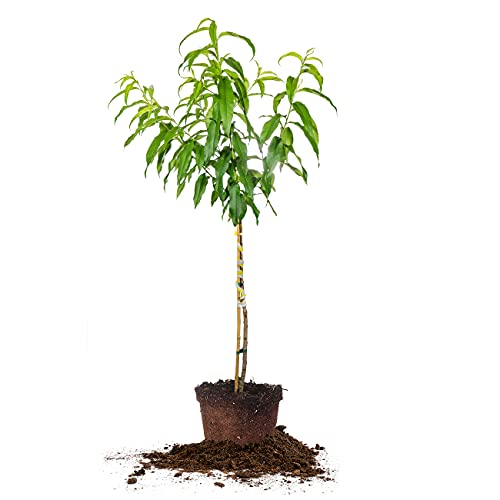
for growers looking for a warm weather loving fruit cultivar the flordaKing peach tree is the perfect choice. this fruit tree produces sweet peaches and tolerates warm humid environments

Do not plant in a container, only in the ground. All pictures are of fully grown plants. Sizes shipped are in the title and description. Deciduous plants do not have leaves in the winter.
Soil Preparation
Soil preparation significantly affects tree health. Start by testing your soil pH. Ideal pH ranges from 6.0 to 6.8 for most fruit trees. You’ll need to amend your soil as necessary. Incorporate organic matter like compost to improve drainage and nutrient content.
Loosen the soil at least 12 inches deep. This encourages root growth. Ensure that the planting area is free of weeds and debris. Such preparation creates a supportive environment for young trees.
Tree Variety Selection
Choosing the right tree variety plays a crucial role in your success. Research local varieties suited for Houston’s climate. Popular options include:
- Citrus Trees: Varieties like Meyer lemon and navel orange thrive in warm conditions.
- Low-Chill Peach Trees: Varieties such as Fla-12 and Tropic Beauty require less chill hours and flourish in the region.
- Pomegranate Trees: Known for drought tolerance, they perform well even in less favorable soil.
Select disease-resistant varieties to minimize maintenance. Consider the mature size of the trees to ensure they fit your space. Consulting with a local nursery helps you find healthy, region-specific options.
Maintenance After Planting
Maintaining your fruit trees after planting is crucial for their longevity and productivity. Proper care ensures that your trees thrive in Houston’s climate.
Watering Requirements
Water your newly planted fruit trees consistently for optimal growth.
- Initial Weeks: Water deeply one to two times per week. This promotes strong root development.
- Soil Check: Always check the soil moisture; it should be moist but not waterlogged.
- Seasonal Adjustments: Increase watering frequency during hot summer months. Trees may require water every three to four days during peak heat.
Fertilization Tips
Fertilizing your fruit trees supports healthy growth and fruit production.
- Timing: Start fertilizing in early spring, just before new growth begins.
- Type of Fertilizer: Use a balanced fertilizer with equal parts nitrogen, phosphorus, and potassium or one designed specifically for fruit trees.
- Application Method: Spread the fertilizer evenly around the base, keeping it a few inches away from the trunk to avoid burning the roots. Water thoroughly after application.
- Frequency: Fertilize again in late summer to boost fruit development, but avoid over-fertilizing, which can cause excessive leaf growth with fewer fruits.
By following these guidelines, your fruit trees in Houston will have the best chance to thrive and produce bountiful harvests.
Conclusion
Timing is everything when it comes to planting fruit trees in Houston. By choosing the right season and preparing your soil properly you set the stage for healthy growth and fruitful harvests. Remember to consider local conditions like frost dates and microclimates in your yard to give your trees the best chance to thrive.
With the right varieties and a little care your garden can become a vibrant source of fresh fruit. So whether you plant in the fall or spring take pride in nurturing your trees and enjoy the rewards they bring. Happy gardening!
Frequently Asked Questions
When is the best time to plant fruit trees in Houston?
The ideal times for planting fruit trees in Houston are in the fall (October to December) for root establishment and in the spring (late February to April) when the soil is warmer. Each season offers unique benefits for tree growth.
What types of fruit trees grow well in Houston?
In Houston, citrus trees (like Meyer lemons and navel oranges), low-chill peach trees (such as Fla-12 and Tropic Beauty), and pomegranate trees thrive best due to the local climate conditions.
How should I prepare the soil before planting fruit trees?
Before planting, test the soil pH, ideally between 6.0 and 6.8. Amend the soil with organic matter for better drainage and nutrients, and ensure to loosen the soil and remove any weeds.
How often should I water newly planted fruit trees?
Newly planted fruit trees should be deep watered one to two times per week initially. Adjust the frequency during hot summer months to prevent stress and promote healthy growth.
What maintenance is needed after planting fruit trees?
Maintenance includes deep watering regularly, fertilizing with a balanced fertilizer in early spring and late summer, and monitoring for pests and diseases to ensure healthy tree growth and productivity.
