

Are you dreaming of a backyard filled with fresh, juicy fruit? Planting fruit trees can turn that dream into reality, but timing is everything. In Connecticut’s unique climate, knowing when to plant can make all the difference between a thriving tree and a struggling one.
Imagine biting into an apple straight from your own tree or enjoying ripe peaches in summer. This article will guide you through the best times to plant various fruit trees in Connecticut, ensuring you get the most out of your gardening efforts. With the right timing, you’ll be on your way to creating a fruitful oasis right at home.
Key Takeaways
- Ideal Planting Seasons: Spring (mid-April to early May) and fall (late September to early November) are the best times to plant fruit trees in Connecticut for optimal growth.
- Understanding Hardiness Zones: Connecticut primarily falls within USDA Hardiness Zones 6a to 7b, which influences the types of fruit trees that will thrive in the region.
- Soil and Sunlight Preparation: Ensure soil is well-drained with a pH between 6.0 and 7.0, and select a location that receives at least 6-8 hours of sunlight daily for optimal growth.
- Tree Varieties: Popular fruit trees for Connecticut include apples (e.g., Honeycrisp), pears (e.g., Bartlett), and cherries (e.g., Bing), each with specific planting and care requirements.
- Routine Care: Regular watering, soil amendments, and seasonal pruning are essential to maintain healthy fruit trees and maximize yield.
- Seasonal Weather Impact: Be aware of Connecticut’s seasonal changes, as they affect fruit tree growth and care requirements throughout the year.
Understanding Connecticut’s Climate
Connecticut’s climate significantly influences the growth and success of fruit trees. Knowing hardiness zones and seasonal weather patterns helps you make informed planting decisions.
Hardiness Zones in Connecticut
Connecticut falls primarily within USDA Hardiness Zones 6a to 7b. These zones indicate the average minimum temperatures:
- Zone 6a: Minimum temperatures range from -10°F to -5°F.
- Zone 6b: Minimum temperatures range from -5°F to 0°F.
- Zone 7a: Minimum temperatures range from 0°F to 5°F.
- Zone 7b: Minimum temperatures range from 5°F to 10°F.
Selecting fruit trees suited for these zones, like apple, pear, and cherry trees, ensures better survival and yield.
Seasonal Weather Patterns
Connecticut experiences distinct seasonal changes that impact fruit tree growth:
- Spring: Temperatures rise, with average highs around 60°F to 70°F. This is a prime planting time, usually from mid-April to early May.
- Summer: Heat and humidity can increase, with average temperatures reaching 80°F to 90°F. Maintain soil moisture during dry spells, supporting healthy growth.
- Fall: Cooler temperatures set in, ranging from 50°F to 70°F. Late September to October is ideal for planting new trees, allowing roots to establish before winter.
- Winter: Temperatures can drop below freezing. Proper winter protection for your trees, such as mulch, safeguards against severe cold.
Being mindful of these patterns enables successful fruit tree cultivation, enriching your garden for years to come.
Best Times to Plant Fruit Trees
Timing plays a crucial role in planting fruit trees. In Connecticut, spring and fall offer the most favorable conditions for successful growth. Here’s a breakdown of each season.
Spring Planting
Spring presents an ideal opportunity for planting fruit trees. The soil warms up, and the risk of frost decreases. Recommended planting times include late March to early May.
Selecting Your Trees: Choose varieties like apple or pear. These trees thrive in your zone and benefit from the spring’s increased moisture.
Preparation Steps:
- Check Soil Conditions: Ensure the soil is well-drained and moist.
- Dig a Hole: Create a hole twice the width of the root ball but no deeper than its height.
- Planting: Place the tree in the hole, ensuring the root crown sits at soil level.
- Watering: Water the tree well to eliminate air pockets and support root establishment.
Fall Planting
Fall also provides an excellent time for planting fruit trees, specifically from late September to early November. The cooler temperatures reduce stress on the trees, and they benefit from the rain.
Selecting Your Trees: Consider planting trees like cherry or plum for robust growth in the fall.
Preparation Steps:
- Test for Frost: Make sure to plant before the ground freezes, allowing roots to establish.
- Dig a Hole: Follow the same instructions as for spring planting.
- Soil Amendments: If necessary, mix compost with soil for better nutrients.
- Watering: Provide adequate watering to keep the roots hydrated during the colder months.
Following these guidelines ensures a fruitful harvest in your Connecticut garden.
Types of Fruit Trees Suitable for Connecticut
Connecticut offers a range of fruit trees that thrive in its climate. Choosing the right types ensures successful growth and a bountiful harvest.
Recommended Products

FORMULATED FOR CITRUS AND FRUIT TREES: Use these citrus fertilizer spikes on apple, orange, lemon, lime, and avocado trees; this formula is also great for feeding palm trees
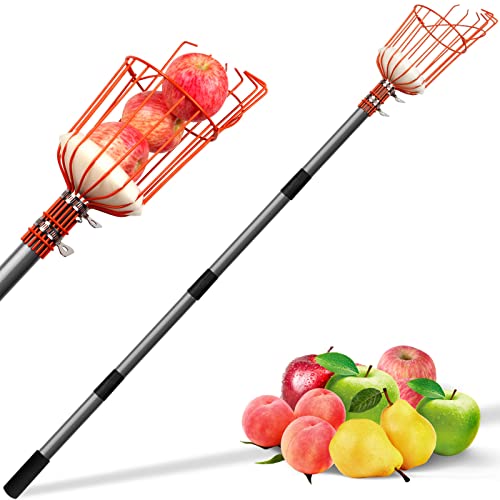
【Gentle Harvesting& Less Bruising】:This fruit picker basket features a cushioned foam pad that gently absorbs impact when fruits drop, helping reduce bruising and damage. The large-capacity metal basket is suitable for fruits ranging from 1-5.5 inches in diameter. Such as apples, mangoes, cherries, and other fruits, it ensures cleaner and safer picking with less waste.

Apples
Apples are among the most popular fruit trees in Connecticut. Varieties like Honeycrisp, McIntosh, and Cortland flourish well.
- Optimal Planting Time: Early spring or fall, from late March to early May or late September to mid-October.
- Sunlight Requirements: Full sun, at least 6-8 hours a day.
- Soil Conditions: Well-drained, loamy soil is ideal. Test your soil pH; it should range from 6.0 to 7.0.
- Care Tips: Water regularly and mulch to retain moisture. Prune during winter to promote healthy growth.
Pears
Pears also grow well in Connecticut’s climate, especially varieties like Bartlett and Bosc.
- Optimal Planting Time: Plant in early spring or fall, similar to apples.
- Sunlight Requirements: Choose a location with full sun for best results.
- Soil Conditions: Pears prefer well-drained, sandy or loamy soil. Aim for a pH level between 6.0 and 7.5.
- Care Tips: Ensure consistent watering during dry spells. Thin fruit as necessary to prevent overcrowding.
Cherries
Cherries are a delightful choice for your garden, with varieties such as Bing and Montmorency prospering in Connecticut.
- Optimal Planting Time: Plant cherries in early spring or fall, from mid-April to early May or late September to late October.
- Sunlight Requirements: Full sun exposure is crucial; aim for 6-8 hours daily.
- Soil Conditions: They thrive in well-drained, fertile soil with a pH range of 6.0 to 7.0.
- Care Tips: Monitor moisture levels closely, as cherries dislike soggy soil. Prune during late winter to encourage growth and fruit production.
Following these guidelines ensures healthy growth and fruitful trees in your Connecticut backyard.
Preparing the Planting Site
Preparing the planting site is crucial for ensuring the success of your fruit trees in Connecticut. Focus on soil quality and sunlight exposure to create the best conditions for healthy growth.
Recommended Products

Accurate Soil pH Testing: Dewildetradingco Soil pH Test Strips offer measurements of soil pH levels (pH 3.5-9). As an essential tool for every gardener and grower, these test strips help determine the optimal pH for various plants, such as outdoor plants, indoor plants, gardens, grass lawns, fruit trees, flowers, vegetables, and forest shrubs.

Kindly NOTE: This soil tester can not be applied to test pH value of any other liquid. If the soil is too dry the indicator will not move, and water it before testing.

KNOW BEFORE YOU GROW | Grow the healthiest, sustainable lawn and garden with the most accurate and easy to use professional soil test kit on the market
Soil Preparation
Start by testing your soil’s pH level. Ideally, aim for a pH between 6.0 and 7.0 for most fruit trees. Amend the soil with organic matter, such as compost or aged manure, to enhance fertility and drainage. Remove any weeds, rocks, or debris from the planting area. Dig a hole that’s twice as wide as the root ball of your tree and just as deep. This allows roots to spread out easily. After planting, fill the hole with the native soil mixed with compost to provide nutrients while ensuring good drainage.
Sunlight Requirements
Choose a planting location that receives at least 6 to 8 hours of direct sunlight each day. South-facing areas often provide optimal light exposure. Avoid places with heavy shade, such as near large trees or buildings. If your yard has varied sunlight patterns, you may opt for fruit tree varieties that can tolerate partial shade. Position taller trees away from smaller ones to prevent them from overshadowing. Prioritize sunlight, as it directly affects fruit quality and overall tree health.
Conclusion
Planting fruit trees in Connecticut can be a rewarding experience. By choosing the right time and preparing your site properly you’ll set the stage for healthy growth and a bountiful harvest. Remember to pay attention to your local climate and select varieties that thrive in your area.
Whether you decide to plant in spring or fall make sure to give your trees the care they need throughout the seasons. With a little patience and effort you’ll soon be enjoying the fruits of your labor right from your own backyard. Happy planting!
Frequently Asked Questions
What are the benefits of planting fruit trees in Connecticut?
Planting fruit trees in Connecticut offers several benefits including fresh produce, improved air quality, and enhanced property value. They provide shade and habitat for local wildlife. Additionally, growing your own fruit ensures better quality and flavor compared to store-bought options.
When is the best time to plant fruit trees in Connecticut?
The best times to plant fruit trees in Connecticut are during spring (late March to early May) and fall (late September to early November). These seasons provide optimal conditions for root establishment before winter and summer months.
What types of fruit trees can I plant in Connecticut?
In Connecticut, suitable fruit trees include apples, pears, and cherries. Popular varieties include Honeycrisp and McIntosh for apples, Bartlett and Bosc for pears, and Bing and Montmorency for cherries, which thrive in the state’s climate.
How do I prepare the soil for planting fruit trees?
To prepare soil for planting fruit trees, test the pH (ideally between 6.0 and 7.0) and amend with organic matter as needed. Ensure proper drainage and enhance soil quality to promote healthy root growth, which is crucial for tree establishment.
How much sunlight do fruit trees need?
Fruit trees require at least 6 to 8 hours of direct sunlight daily. Choosing a planting location with ample sunlight is vital for fruit production and healthy growth, so avoid heavy shade and position taller trees away from shorter ones.
What care do fruit trees need after planting?
After planting, fruit trees require regular watering, especially during dry spells. Proper soil management, mulching, and annual pruning are essential for healthy growth. Monitor for pests and diseases to keep trees thriving and productive.
