

Have you ever wondered what nectarine trees look like? Picture this: you’re strolling through an orchard, surrounded by lush greenery, and suddenly, you spot a tree laden with vibrant, juicy nectarines. But what sets these trees apart from others? In this article, we’ll explore the distinctive characteristics of nectarine trees and help you identify them with ease.
Understanding the appearance of nectarine trees can enhance your gardening experience and appreciation for these delicious fruits. By the end of this article, you’ll be able to recognize nectarine trees effortlessly, whether you’re planning to grow them in your backyard or simply want to admire their beauty in orchards. Let’s take a closer look at the unique features that make nectarine trees stand out in any landscape.
Key Takeaways
- Nectarine trees have distinct characteristics like long, slender leaves, smooth bark, pink blossoms, and colorful fruits.
- These trees have a rounded shape with dense foliage and can vary in height from 10 to 20 feet.
- Understanding seasonal changes in nectarine trees is essential for proper care and maintenance.
- Nectarine fruits are smooth-skinned, juicy, nutrient-rich, and come in vibrant colors like yellow, orange, and red.
- Nectarines are versatile fruits that can be enjoyed fresh, dried, in desserts, or preserved.
- Key care tips for nectarine trees include providing ample sunlight, proper watering, regular pruning, fertilization, pest management, winter protection, and seasonal maintenance.
Characteristics of Nectarine Trees
When it comes to identifying nectarine trees, there are specific characteristics that set them apart. Here’s what you need to know:
Recommended Products
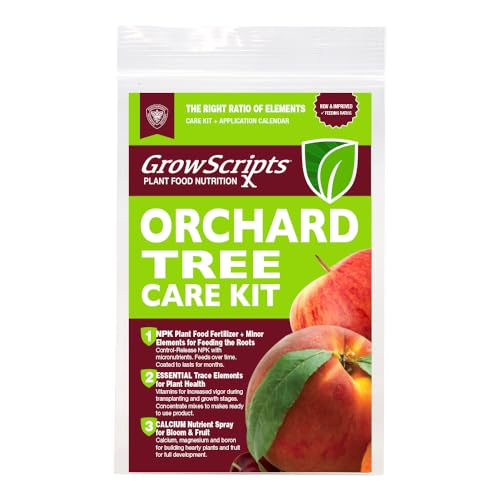
Control-Release Fertilizer: Our fertilizer nourishes apple, peach, and cherry trees over 5 to 6 months with each application. This slow release ensures steady nutrient supply for optimal absorption, promoting healthy growth and vibrant tree vitality.
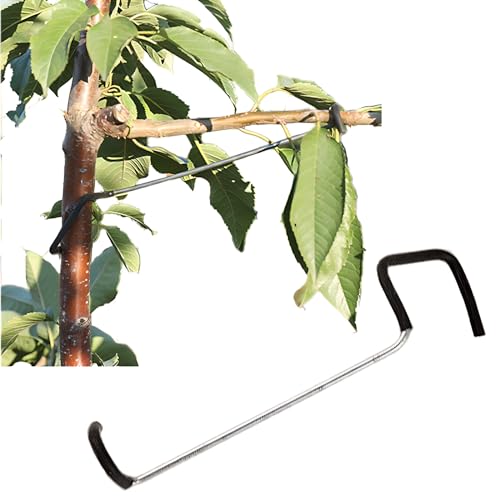
【Not Easy to Damage the Bark】The black part of the branch spreader consists of galvanized iron wire wrapped with the inside of a hose to ensure that the bark does not fray easily. The branch spreader can be reused after removal.

Tree Branch Modelling Too: 15 Pcs 3.94in fruit tree branch puller suitible for 0.4in branch, can pull lower the drooping angle of the tree branch. for orchards with apple trees spaced 1-2 meters and tree age 1-3 years, with a pruning angle of 110-135 degrees.
Leaf Structure
Nectarine trees have long, slender leaves with a pointed tip. The leaves are typically bright green and have a serrated edge, resembling an elongated oval shape.
Bark Appearance
The bark of nectarine trees is smooth and shiny when young, often in shades of reddish-brown. As the tree matures, the bark becomes darker and develops a rougher texture.
Blossoms
During the spring, nectarine trees produce stunning pink blossoms that adorn the branches. These delicate flowers have a distinct fragrance and attract pollinators crucial for fruit development.
Fruit Shape and Color
One of the most recognizable features of nectarine trees is, of course, the fruit itself. Nectarines are smooth-skinned fruits with a wide range of colors, including shades of red, orange, yellow, or even white. The fruit is typically round or slightly oblong, with a single central groove running down one side.
Growth Habit
Nectarine trees have a rounded shape with dense foliage that provides ample shade. They can grow to varying heights, depending on the cultivar and growing conditions, but typically reach between 10 to 20 feet tall.
Seasonal Changes
Throughout the year, nectarine trees undergo distinct seasonal changes. In winter, the tree is bare with no leaves or fruit, while spring brings lush greenery and blossoms. Summer sees the development of fruit, and fall showcases vibrant foliage colors before the leaves drop.
Pruning Needs
To maintain the health and structure of your nectarine tree, regular pruning is essential. Prune during the dormant season to remove dead or diseased branches, improve airflow, and shape the tree for optimal fruit production.
Understanding these characteristics will help you easily identify nectarine trees and appreciate their beauty and fruit-bearing potential in your garden or orchard.
Nectarine Tree Fruit
When it comes to nectarine tree fruit, you can expect delicious and visually appealing results. Here’s what you need to know:
Distinctive Appearance: Nectarine fruits are smooth-skinned and resemble peaches, but with a notable difference – they have a fuzz-free skin, making them easier to bite into.
Vibrant Colors: These fruits come in a range of colors, including shades of yellow, orange, and red. The hues intensify as the fruit ripens, offering a beautiful sight amidst the green leaves of the tree.
Juicy and Sweet: Nectarines are known for their juicy flesh, bursting with sweet flavor. The succulent taste makes them a favorite for fresh eating or as additions to various dishes.
Nutrient-Rich: Apart from being delicious, nectarines are packed with nutrients such as vitamins A and C, fiber, and antioxidants, making them a healthy choice for your diet.
Variety in Sizes: Nectarine fruits come in various sizes, from small to relatively large, each offering the same delightful taste in different proportions.
Seasonal Delicacies: Depending on the variety, nectarines are typically harvested in summer when they reach their peak ripeness, offering a refreshing treat during the warmer months.
Culinary Versatility: These fruits can be enjoyed in numerous ways, whether sliced in salads, blended into smoothies, or even grilled for a unique twist in flavor.
Perfect for Desserts: Nectarines are often used in desserts like pies, tarts, and cobblers, adding a burst of sweetness that complements other ingredients perfectly.
Ideal for Preserving: You can also preserve nectarines by canning or making jams and preserves to enjoy their goodness even beyond the harvest season.
Fresh or Dried: Nectarines can be enjoyed fresh or dried, giving you options to relish their taste throughout the year.
Recommended Products

Non-GMO Seeds: These nectarine tree seeds are completely natural and non-genetically modified, ensuring you grow authentic, wholesome fruit trees that produce delicious nectarines with traditional flavor and nutritional value for your family to enjoy

Let our professionally formulated plant food help your fruit tree grow healthy, strong AND abundantly producing

We cannot ship this live plant to CA, AZ, AK, or HI. Any orders placed from these states will be canceled and refunded immediately.
Nectarine Tree Care
Maintaining nectarine trees ensures optimal growth and fruitful harvests. Follow these essential care tips to nurture your nectarine tree:
Recommended Products

Feed the soil not the plants - stimulate microbial activity in your soil and boost probability of success with all types of plants… like composting but faster

Made for Lemon & Citrus Trees – Formulated to support healthy growth in lemon and citrus plants.

Package contains 6 pounds organic soil acidifier grains and is produced to avoid wasteful runoff, mess, hazards and smells
Sunlight Requirements
Provide your nectarine tree with full sunlight. Select a planting location that receives at least 6-8 hours of direct sunlight daily. Insufficient sunlight can hinder fruit production.
Watering Schedule
Water your nectarine tree deeply but infrequently. Aim to keep the soil consistently moist but not waterlogged. Adjust the frequency based on the weather conditions; water more during hot, dry periods.
Pruning Practices
Regularly prune your nectarine tree to promote healthy growth and improve fruit quality. Remove dead or diseased branches, as well as any crossing branches that may obstruct airflow and sunlight.
Fertilization Routine
Apply a balanced fertilizer in the early spring before the tree starts to bloom. Follow the manufacturer’s instructions for the correct dosage. Over-fertilization can harm the tree, so avoid excessive use.
Pest and Disease Management
Monitor your nectarine tree for common pests like aphids, scale insects, or fungal diseases. Treat any infestations promptly using appropriate methods, such as neem oil or insecticidal soap.
Winter Care
Protect your nectarine tree during the winter months, especially in colder climates. Consider wrapping the trunk with a protective cover and mulching around the base to insulate the roots.
Harvesting Techniques
Harvest nectarines when they reach full maturity and are slightly soft to the touch. Gently twist the fruit from the tree to avoid damaging the branches. Store harvested nectarines in a cool, dry place or enjoy them fresh off the tree.
Seasonal Maintenance
Adapt your care routine according to the changing seasons. Prune in late winter or early spring, fertilize in early spring, monitor for pests in the growing season, and prepare the tree for dormancy in the fall.
Conclusion
By following these practical nectarine tree care tips, you’ll ensure your tree thrives and yields delicious fruits season after season. Proper care and attention will reward you with a bountiful harvest and healthy, vibrant nectarine trees in your garden.
Conclusion
You’re now equipped with the knowledge to identify nectarine trees and nurture them for optimal growth. By understanding their characteristics and following the care tips provided, you can enjoy a bountiful harvest of delectable fruits while maintaining the health and beauty of your garden. Remember to provide the right conditions, from sunlight to nutrients, and to address any pests or diseases promptly. With proper care and attention, your nectarine trees will reward you with an abundance of juicy, flavorful nectarines. Happy gardening!
Frequently Asked Questions
How can I identify a nectarine tree?
Nectarine trees can be identified by their smooth skin fruit without fuzz, oval-shaped leaves with pointed tips, and pink blooms in spring.
What care tips are crucial for nectarine tree maintenance?
Maintain adequate sunlight exposure, follow a consistent watering schedule, perform regular pruning to shape the tree and promote growth, use appropriate fertilizers, manage pests and diseases, ensure winter protection, harvest when ripe, and perform seasonal maintenance.
How often should I water my nectarine tree?
Water newly planted nectarine trees deeply twice a week during the growing season, reducing frequency to once a week for established trees. Adjust based on weather conditions and soil moisture levels.
When is the best time to prune nectarine trees?
Prune nectarine trees during late winter or early spring while the tree is still dormant. Avoid pruning once buds begin to swell to prevent sap bleeding.
