

Wondering when the perfect time is to plant those delicious black raspberries in your garden? Picture this: it’s a sunny day, and you’re envisioning baskets full of juicy berries right from your backyard. But, you’re unsure about the ideal planting season. That’s where we come in to guide you through the process.
In this article, we’ll walk you through the best timing for planting black raspberries so that you can enjoy a bountiful harvest. From tips on soil preparation to selecting the right location, we’ve got you covered every step of the way. Get ready to elevate your gardening game and savor the sweet rewards of growing your own black raspberries.
Key Takeaways
- Plant black raspberries in early spring for optimal growth before the hot summer months.
- Select a location with full sunlight and well-drained soil for successful cultivation.
- Test soil pH and nutrient levels before planting, aiming for slightly acidic soil (pH 5.5-6.5).
- Provide proper spacing between plants (2-3 feet apart) and adequate depth when planting.
- Water consistently (1-2 inches per week) and monitor moisture levels to prevent waterlogging.
- Prune black raspberry bushes annually, thin canes, fertilize in spring, and implement natural pest control methods for healthy growth.
Understanding the Right Time to Plant Black Raspberries
When it comes to planting black raspberries, timing is crucial for a successful harvest. Here are some key factors to consider:
Climate Considerations
In general, black raspberries thrive in moderate climates with well-drained soil and full sunlight. They prefer areas with mild winters and moderate summers. If you live in a region with harsh winters or scorching summers, consider providing additional protection or shade for your black raspberry plants.
Seasonal Timing
The best time to plant black raspberries is in early spring, once the soil is workable but before new growth appears. This typically falls between March and May, depending on your specific location and climate. Planting during this period allows the roots to establish before the hot summer months.
By considering the climate of your area and planting during the optimal seasonal timing, you can set your black raspberry plants up for success and enjoy a plentiful harvest in the future.
Preparing for Planting
When preparing to plant black raspberries, you must focus on selecting the right location and properly preparing the soil. Here are essential steps to ensure successful growth:
Recommended Products
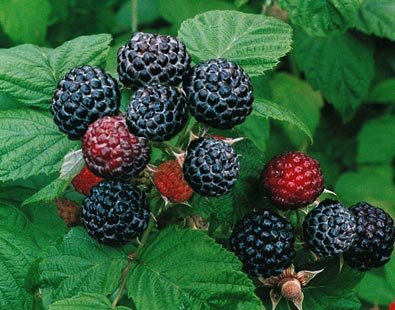
Sweet - Thornless - High Yielding

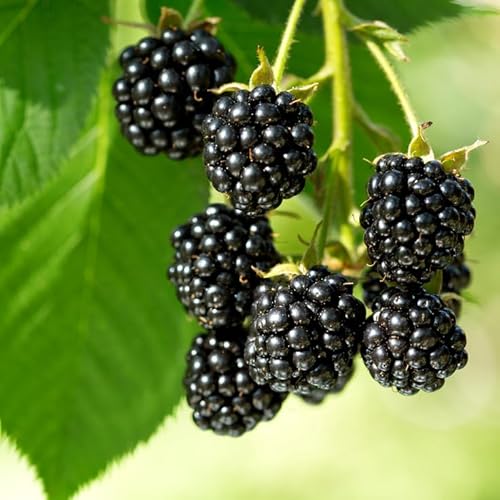
Fragrant Flowers: Bloom blossoms that provide precious nectar for pollinators like bees, creating your own romantic orchard with heavy fruit and rich flavor
Selecting the Right Location
Choose a location that receives full sunlight and has well-drained soil. Black raspberries thrive in areas with mild winters and moderate summers. Ensure the site has good air circulation to prevent diseases.
Soil Preparation
Before planting, test your soil to determine its pH level and nutrient content. Black raspberries prefer slightly acidic soil with a pH of 5.5-6.5. Incorporate organic matter like compost or aged manure into the soil to improve its structure and fertility.
By following these steps, you can create an optimal environment for planting black raspberries and increase your chances of a healthy harvest in the future.
Planting Techniques for Black Raspberries
When planting black raspberries, proper techniques are essential to ensure their successful growth and a bountiful harvest. Here are some key aspects to consider:
Recommended Products

Rich raspberry flavor

Everbearing Variety: Enjoy two harvests of sweet, delicious red raspberries each year with this Heritage variety that produces fruit in both summer and fall, providing you with an extended harvest season for fresh berries throughout the growing months

Plant Type & Variety: Heritage Everbearing Red Raspberry, a hardy perennial producing large, sweet-tart berries in summer and fall.
Plant Spacing and Depth
To allow your black raspberry plants to thrive, it’s crucial to provide adequate spacing between them. When planting, space the bushes about 2-3 feet apart in rows that are 8-10 feet apart. This spacing allows for good air circulation, which helps prevent diseases and promotes healthy growth.
Digging the right depth is also important. When planting black raspberries, dig a hole deep enough to accommodate the roots without bending or crowding them. Typically, a hole about 4-6 inches deep is sufficient for most varieties of black raspberries.
Watering and Initial Care
Proper watering is vital during the initial stages of plant establishment. After planting your black raspberry bushes, give them a thorough watering to help settle the soil around the roots. Throughout the growing season, ensure that the plants receive about 1-2 inches of water per week, either through rainfall or supplemental irrigation.
During dry spells or hot weather, pay close attention to soil moisture levels. Black raspberries prefer consistently moist but not waterlogged soil. Mulching around the plants can help retain moisture and regulate soil temperature.
By following these planting techniques for black raspberries and providing appropriate care, you can set your plants up for success and enjoy a fruitful harvest in due time.
Caring for Black Raspberries Post-Planting
After planting your black raspberries, it’s crucial to care for them properly to ensure healthy growth and a bountiful harvest. Here are essential tips on pruning techniques, fertilization, and pest management:
Recommended Products

【WIDELY USED】: Our pruning shears set include 3 different blades for a variety of general pruning work. Great for trimming flowers, plants, bonsai, hydroponics, herbs, light branches and so on. Garden shears are ideal for pruning needs and perfect gift for gardening friends.

★ 1. What you get: Professional convenient grafting tool set including a dual-use grafting pruner tool contain 2 extra replaceable blades, a wrench and a screwdriver, along with 36pcs wide rubber bands, 150 thick rubber bands and 1 grafting tape, packed in a black wallet to meet all your needs
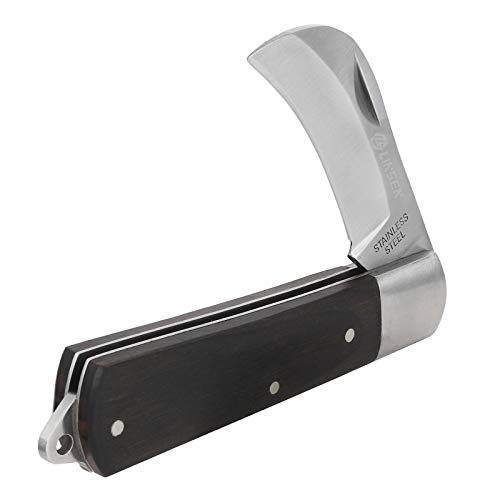
✓MULTIFUNCTIONAL: The Linsen-outdoor Black Man Big Large Size Garden Folding Knife with Curve Blade. Comfortable Black Wooden handle
Pruning Techniques
To maintain the health of your black raspberry bushes, you should prune them regularly. Pruning helps promote new growth, improve air circulation, and enhance fruit production. Here’s how to effectively prune your black raspberries:
- Annual Pruning: Trim dead or damaged canes in late winter or early spring before new growth begins.
- Thinning Canes: Remove excess canes to allow sunlight penetration and airflow within the bush.
- Summer Pruning: During the growing season, trim any diseased or weak canes promptly to prevent the spread of infections.
By following these pruning practices, you’ll encourage vigorous growth and increase the overall productivity of your black raspberry plants.
Fertilization and Pest Management
Proper fertilization is key to supporting the growth and development of black raspberries. Additionally, effective pest management strategies are essential to protect your plants from harmful insects and diseases. Consider the following tips:
- Fertilizing Schedule: Apply a balanced fertilizer in early spring as new growth emerges and again after harvesting fruits.
- Organic Options: Utilize organic fertilizers like compost or well-decomposed manure for sustainable plant nutrition.
- Pest Identification: Regularly inspect your plants for signs of pests such as aphids or spider mites.
- Natural Pest Control: Implement natural predators like ladybugs or lacewings to combat common raspberry pests without harsh chemicals.
By providing adequate nutrients through proper fertilization and staying vigilant with pest management efforts, you’ll help safeguard your black raspberry bushes against potential threats while promoting robust growth.
Remember that caring for your black raspberries post-planting is crucial for their long-term health and productivity. By incorporating these pruning techniques, fertilizing appropriately, and managing pests effectively, you’ll set the stage for a thriving berry patch that yields delicious fruits season after season.
Conclusion
You now have a solid understanding of when to plant black raspberries and the essential steps for successful growth. By focusing on soil preparation, location selection, and proper care, you can set your black raspberry bushes up for thriving growth. Remember to consider factors like climate and spacing to ensure optimal conditions. Post-planting care is crucial, with pruning techniques, fertilization schedules, and pest management strategies playing key roles in maintaining the health and productivity of your berry patch. By following these guidelines, you’ll be on your way to enjoying bountiful harvests of delicious black raspberries year after year. Happy planting!
Frequently Asked Questions
When is the best time to plant black raspberries?
Plant black raspberries in early spring or late fall for optimal growth.
How should I prepare the soil before planting black raspberries?
Ensure well-draining soil with a pH of 5.5-6.5 by adding compost or aged manure.
What factors should I consider when selecting a location for planting black raspberries?
Choose a sunny spot with good air circulation and protection from strong winds.
How far apart should I space my black raspberry plants?
Space plants 2-3 feet apart in rows that are 8-10 feet apart to allow room for growth.
What pruning methods should I use to enhance growth and fruit production?
Prune dead canes in late winter and thin out new canes to encourage airflow and light penetration.
What fertilization schedule is recommended for black raspberry bushes?
Fertilize in early spring with a balanced fertilizer, following package instructions.
Are there organic options available for fertilizing black raspberry bushes?
Yes, organic options like compost, aged manure, or organic berry fertilizers are suitable alternatives.
How can I manage pests on my black raspberry bushes effectively?
Use natural predators like ladybugs or neem oil spray to control common pests like aphids or spider mites.
