

Are your fruit trees looking a bit lackluster? You’re not alone. Many gardeners in North Carolina struggle with knowing the right time to fertilize their trees for optimal growth and fruit production. Timing can make all the difference between a bountiful harvest and a disappointing yield.
Key Takeaways
- Ideal Fertilization Timing: Fertilize fruit trees in early spring (March to early April) and again in mid-summer to promote healthy growth and fruit maturation.
- Nutritional Needs: Recognize the importance of primary nutrients (nitrogen, phosphorus, potassium), secondary nutrients (calcium, magnesium, sulfur), and micronutrients (iron, zinc) for optimal fruit tree health.
- Soil Testing: Conduct soil tests in late winter or early spring to assess nutrient levels and pH, helping adjust fertilization plans effectively.
- Fertilizer Types: Choose between organic (compost, manure) and synthetic (ammonium nitrate) fertilizers based on the specific needs of your fruit trees in North Carolina.
- Granular vs. Liquid Fertilizers: Utilize granular slow-release fertilizers for sustained nourishment and liquid fertilizers for immediate nutrient boosts as needed during the growing season.
- Fall Fertilization: Apply a balanced fertilizer in late October to early November to prepare trees for winter and enhance root development and nutrient storage.
Understanding Fruit Tree Nutritional Needs
Understanding the nutritional needs of fruit trees is essential for their growth and productivity. Fruit trees require various nutrients at specific times in their development.
Primary Nutrients
- Nitrogen: Promotes vigorous growth and leaf development. Apply nitrogen in early spring to support new growth.
- Phosphorus: Supports root development and flowering. Use phosphorus before blooming to encourage robust blossoms.
- Potassium: Enhances fruit quality and resistance to diseases. Apply potassium during the growing season to improve fruit size and flavor.
Secondary Nutrients
- Calcium: Strengthens cell walls and prevents blossom end rot in some fruits. Incorporate calcium in the soil before planting.
- Magnesium: Aids in photosynthesis and nutrient uptake. Add magnesium as needed, especially for trees showing yellowing leaves.
- Sulfur: Necessary for protein synthesis. You can apply sulfur in the spring if soil tests indicate deficiency.
Micronutrients
- Iron: Vital for chlorophyll production. Apply iron chelates in spring if trees display chlorosis.
- Zinc: Important for growth and leaf development. Use zinc sulfate when you notice leaf curling or stunted growth.
Soil Testing
Conducting a soil test provides insight into nutrient levels. Tests identify deficiencies and guide fertilization decisions.
- Collect soil samples in late winter or early spring.
- Send samples to a local extension office or a lab for analysis.
- Follow recommendations based on test results to adjust your fertilization plan.
Fertilizer Types
- Granular Fertilizers: Slow-release options suitable for ongoing nourishment. Apply them around the tree’s base according to package instructions.
- Liquid Fertilizers: Instant results for nutrient deficiencies. Dilute and apply during the growing season for quick absorption.
- Fertilize trees in early spring before new growth begins.
- Apply a second dose in mid-summer to support fruit maturation.
- Avoid fertilizing late in the season to prevent new growth before winter.
By understanding the nutritional needs of your fruit trees, you set the stage for healthy growth and bountiful harvests.
Best Timeframes for Fertilization
Understanding when to fertilize fruit trees enhances their growth and fruit production. In North Carolina, the timing can significantly impact the success of your harvest.
Recommended Products

Produce abundant and vibrant fruit and blooms! This product works by strengthening your plant's roots to increase nutrient uptake… enabling it to bloom and produce like you've never seen!

Let our professionally formulated plant food help your fruit tree grow healthy, strong AND abundantly producing

Bloom Booster Built for Peak Season: Yardi Fruit & Bloom delivers a targeted NPK 2-15-15 formula with micronutrients to drive abundant flowering and stronger yields. Higher phosphorus and potassium maximize bloom production and fruit set at the most critical stage of the growing season.
Spring Fertilization Schedule
Fertilize fruit trees in early spring, ideally between March and early April. This period coincides with the onset of new growth. Use a nitrogen-rich fertilizer to promote healthy foliage. Here’s a quick timeline:
- Early March: Apply the first round of fertilizer. This promotes robust growth as trees emerge from dormancy.
- Mid-April: If your trees show signs of growth, consider a second application. Adjust based on the tree’s health and soil test results.
Fall Fertilization Schedule
Fall fertilization occurs in late October to early November, preparing trees for winter dormancy. Focus on phosphorus and potassium, which strengthen root systems and improve cold hardiness. Follow this timeline:
- Late October: Apply a balanced fertilizer with lower nitrogen levels. This supports root development and nutrient storage.
- Early November: If necessary, test soil and adjust fertilizer based on specific nutrient needs.
By adhering to these schedules, you ensure your fruit trees receive the necessary nutrients for growth and production year-round.
Types of Fertilizers Suitable for North Carolina
Selecting the right type of fertilizer is essential for nourishing fruit trees in North Carolina. Here’s a closer look at the options available.
Recommended Products
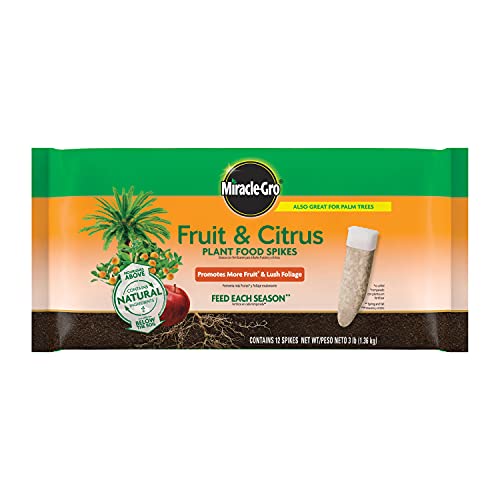
FORMULATED FOR CITRUS AND FRUIT TREES: Use these citrus fertilizer spikes on apple, orange, lemon, lime, and avocado trees; this formula is also great for feeding palm trees

CITRUS PLANT FOOD: This avacado, mango and citrus fruit tree fertilizer feeds plants for up to 3 months and nourishes above and below the soil
Organic vs. Synthetic Fertilizers
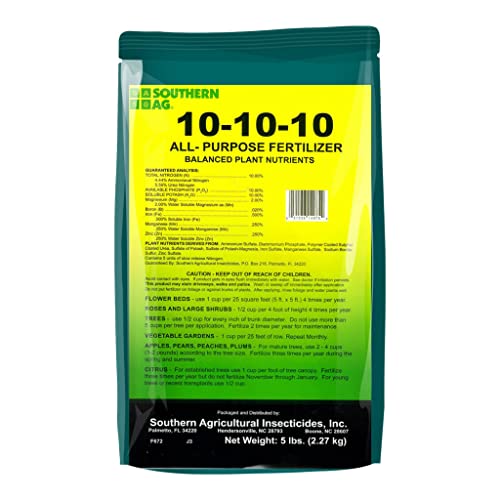
- Organic Fertilizers: Organic fertilizers, such as compost, manure, and bone meal, provide a slow release of nutrients. They improve soil structure and promote beneficial microbial activity. You may consider products like fish emulsion or seaweed extract, which are rich in micronutrients.
- Synthetic Fertilizers: Synthetic fertilizers contain concentrated nutrients that offer a quick nutrient boost. They usually come as granules or liquids, making application easy. Common options include ammonium nitrate and potassium sulfate. Such fertilizers can enhance growth but require careful management of application rates.
- Granular Slow-Release Options: Granular slow-release fertilizers release nutrients over an extended period. You might opt for products with a coating that controls the release rate, providing a steady supply of nutrients. This minimizes the risk of over-fertilization.
- Timing Applications: Applying slow-release fertilizers in early spring supports new growth and helps maintain nutrient levels throughout the growing season. For example, a product with a 3-4 month release cycle works well for fruit trees needing consistent nutrients.
- Advantages: These fertilizers reduce the need for frequent applications. They help ensure that your trees receive the nutrients they require without risking nutrient leaching or runoff.
By understanding these types of fertilizers, you can choose the best options to foster healthy fruit trees in North Carolina.
Soil Testing and Its Importance
Soil testing plays a vital role in successful fruit tree care in North Carolina. It helps you determine the nutrient levels and pH of your soil, crucial information for optimizing fertilization.
Recommended Products

Quick, at home results for Soil pH, Nitrogen, Phosphorous and Potash Innovative and inexpensive soil test kit features an easy-to-use capsule system and patented color comparators

Quick, at home results for Soil pH, Nitrogen, Phosphrous and Potash
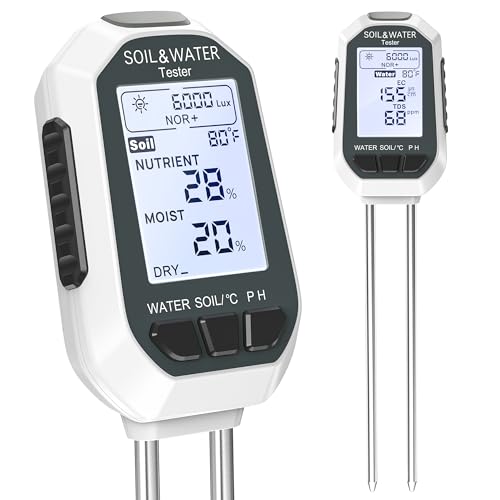
【7-in-1 Features】This is a 7-in-1 multi-function soil tester. Our soil tester quickly measures soil moisture, pH, temperature and light intensity, and its fertility function helps you take better care of your plants. With this device you can measure the soil moisture, pH, temperature and light intensity for your plants and with the EC and TDS functions you will know when it is time to water the soil.
Understanding Nutrient Levels
You can identify specific nutrient deficiencies through soil testing. These tests reveal the availability of essential nutrients like nitrogen, phosphorus, and potassium. For instance, if your test shows low nitrogen, applying a nitrogen-rich fertilizer early in the spring becomes crucial for promoting healthy foliage growth.
pH Balance
Testing also measures soil pH, which affects nutrient absorption. Most fruit trees thrive in slightly acidic to neutral pH (between 6.0 and 7.0). If your soil’s pH level is outside this range, adjusting it with lime or sulfur can enhance nutrient availability.
Timing for Testing
Perform soil tests in winter or early spring before fertilization. This timing allows you to assess nutrient levels and make informed fertilization decisions before growth begins.
How to Test Your Soil
- Collect Samples: Gather soil from multiple spots around your fruit trees at a depth of 6 to 8 inches.
- Mix Samples: Combine samples in a clean container for an accurate representation of your soil’s health.
- Send to Lab: Send the mixed sample to a local agricultural extension office or a soil testing laboratory for analysis.
- Review Results: Analyze the report to understand nutrient levels, pH, and any recommended amendments.
Additional Resources
Use your local agricultural extension service for assistance and resources related to soil testing. They often provide soil testing kits and guidance on interpreting results.
By understanding your soil’s specific needs, you can make informed decisions that support your fruit trees’ health and productivity.
Conclusion
Fertilizing your fruit trees at the right time makes all the difference in their health and productivity. By sticking to the recommended schedules for early spring and fall applications you’ll give your trees the nutrients they need to thrive.
Don’t forget the importance of soil testing to tailor your fertilization approach. It helps you understand what your trees really need and ensures they get the best care possible.
With a little planning and attention to detail you can enjoy a bountiful harvest and vibrant growth year after year. Happy gardening!
Frequently Asked Questions
When should I fertilize my fruit trees in North Carolina?
Fertilization for fruit trees in North Carolina is generally recommended in early spring (March to early April) for nitrogen-rich fertilizers, promoting new growth. A fall fertilization schedule (late October to early November) focusing on phosphorus and potassium is also advised, preparing trees for winter dormancy.
Why is soil testing important for fruit trees?
Soil testing is crucial as it determines nutrient levels and pH, helping optimize fertilization. Identifying nutrient deficiencies allows gardeners to make informed decisions, leading to healthier trees and better fruit production. The best time for soil testing is during winter or early spring.
What nutrients do fruit trees need?
Fruit trees require primary nutrients (nitrogen, phosphorus, potassium), secondary nutrients (calcium, magnesium, sulfur), and micronutrients (iron, manganese, zinc). Each nutrient plays a specific role in tree health and fruit production, so understanding these needs is essential for effective fertilization.
What types of fertilizers are suitable for my fruit trees?
Both organic (like compost and bone meal) and synthetic fertilizers can be used for fruit trees. Organic fertilizers provide slow-release nutrients and improve soil structure, while synthetic options deliver quick nutrient boosts but require careful management. Slow-release granular fertilizers are also effective for steady nutrient supply.
How often should I fertilize my fruit trees?
Fertilizing fruit trees typically occurs once in early spring and again in fall. Depending on soil nutrient levels and tree health, some may benefit from additional applications during the growing season, especially if using slow-release fertilizers.
Can I use synthetic fertilizers on my fruit trees?
Yes, synthetic fertilizers can be used, but they should be applied carefully to avoid over-fertilization. It’s important to follow the recommended rates and timing to ensure tree health and minimize environmental impact.
How can I support my fruit trees’ growth?
To support growth, fertilize at the right times, conduct soil tests regularly, and choose suitable fertilizers based on tree needs. Additionally, proper irrigation and pest management practices contribute to overall tree health and productivity.
