

Do you want to keep your fruit trees healthy and productive? Winter is the perfect time to give them some much-needed attention. As the leaves fall and the trees go dormant, you can take advantage of this quiet season to trim and shape them for better growth in the spring.
Key Takeaways
- Winter Trimming Benefits: Trimming fruit trees in winter promotes healthy growth, enhances airflow, shapes tree structure, increases yield, prevents winter damage, enables easier pest control, and customizes fruit production.
- Essential Tools: Use hand pruners, loppers, pruning saws, pole pruners, garden scissors, and safety gear like gloves, safety glasses, hard hats, and non-slip shoes for effective and safe trimming.
- Trimming Steps: Assess tree health by checking branches and foliage, choose the right time for trimming during dormancy, make clean cuts using sharp tools, follow the 1/3 rule for branch removal, and frequently step back to evaluate your work.
- Avoid Common Mistakes: Prevent over-pruning by limiting cuts to 20-30% of branches, and maintain the natural tree structure to ensure balanced growth and optimal airflow.
- Optimal Timing: Trim when the tree is fully dormant, typically late winter to early spring, choosing dry days for optimal conditions and varying based on tree type.
Importance Of Trimming Fruit Trees In Winter
Trimming fruit trees in winter holds several benefits that directly influence their health and productivity.
Promotes Healthy Growth
Trimming during dormancy stimulates strong growth in the spring. Removing dead or diseased branches allows the tree to focus its energy on producing new growth and fruit.
Enhances Airflow and Sunlight Penetration
Proper trimming opens up the canopy, allowing better airflow and sunlight to reach the inner branches. This setup reduces the risk of fungal diseases and encourages even ripening of fruit.
Shapes the Tree Structure
Maintaining a well-structured tree facilitates easier maintenance. A balanced shape supports fruit production and minimizes the risk of branch breakage under the weight of fruit or snow.
Increases Yield
Trimming can boost fruit yield by optimizing the tree’s energy use. By removing excess branches, you enhance the quality and quantity of fruit produced.
Prevents Winter Damage
Addressing weak or crossed branches in winter prevents potential damage. When heavy snowfall occurs, properly trimmed trees stand a better chance of surviving storms without significant harm.
Enables Easier Pest Control
Trimming helps you inspect for pests and diseases. A clear view of the tree’s structure makes scouting for issues easier.
Customizes Fruit Production
Trimming techniques can target specific varieties or even individual trees. Whether aiming for larger fruits or increased quantity, knowing when and how to trim keeps you in control of your harvest.
By prioritizing winter trimming, you actively contribute to your fruit trees’ future health and output.
Tools Needed For Trimming
Having the right tools makes the trimming process efficient and safe. Gathering the necessary equipment before you start boosts your confidence and ensures quick progress.
Recommended Products

1:EXTENDABLE REACH FOR LADDER-FREE SAFETY – Acting as both a reliable tree pruner and a fruit picker pole, this tool effortlessly extends from 3.28 to 5.25 FT to reach high branches up to 10 FT from the ground. The innovative rotating and locking head allows for precise angles without unstable ladders or risky stretching, ensuring maximum safety.


Essential Trimming Tools
- Hand Pruners: Hand pruners, or secateurs, work well for cutting small branches up to ¾ inch thick. They’re essential for precision cuts and detail work.
- Loppers: Loppers handle branches ranging from ¾ inch to 2 inches in diameter. They provide extra leverage, making it easier to reach higher branches.
- Pruning Saw: A pruning saw is ideal for cutting larger branches over 2 inches. It allows for smooth cuts and minimizes damage to the tree.
- Pole Pruner: A pole pruner extends your reach, making it suitable for high branches without needing a ladder. This tool often combines a saw and pruner on a long handle.
- Garden Scissors: Garden scissors work perfectly for delicate trimming near fruit clusters. They offer precision for tidying up your trees.
- Gloves: Sturdy gardening gloves protect your hands from cuts and abrasions. Choose gloves that offer both comfort and grip.
- Safety Glasses: Safety glasses guard your eyes from falling debris when trimming overhead. Prioritize clear, impact-resistant lenses.
- Hard Hat: A hard hat offers additional protection when cutting large branches from above. Consider this especially if your trees are taller.
- Non-Slip Shoes: Wear non-slip shoes to maintain stability on uneven ground while working. This reduces the chances of slips and falls.
Equipping yourself with these tools and safety gear sets the stage for a successful fruit tree trimming session during winter.
Steps To Trim Fruit Trees
Trimming fruit trees in winter involves several key steps to ensure healthy growth. Follow these to maintain and enhance the health of your trees.
Recommended Products
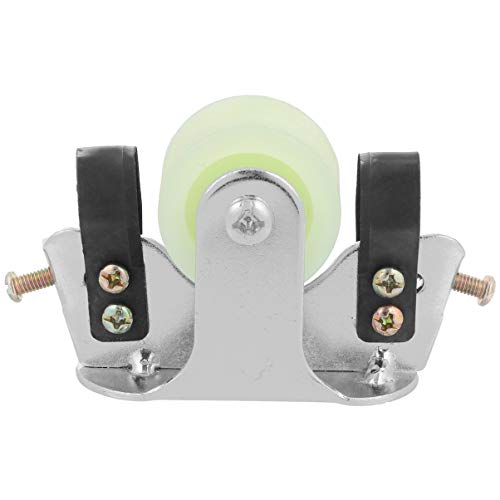
Core Girdling Action: This Girdling Cutter for Fruit Tree removes a ring of bark to help redirect nutrients upward after the wound heals, supporting flower bud formation and fruit set while giving growers a practical Peeling Pruning Tool for seasonal orchard care
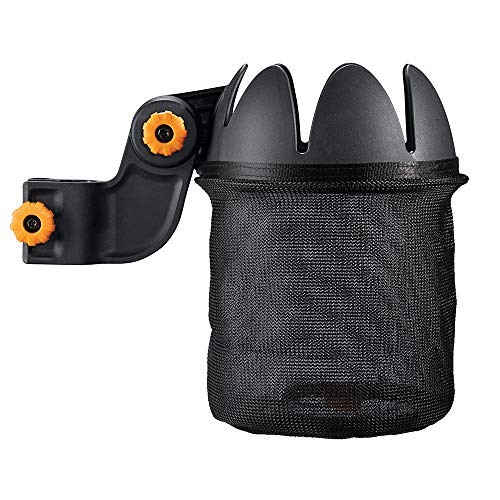
Fiskars Fruit Picker Basket harvests fruit from tall trees without bruising or scratching

Durable & Long-Lasting: Crafted from high-quality materials, these fruit tree branch pullers to withstand the rigors of outdoor use season after season. Resistant to rust, weathering, and wear, they provide consistent performance, becoming your go-to tools for maintaining your orchard year after year.
Assessing The Tree’s Health
- Examine Branches: Check for dead, diseased, or damaged branches. Remove any that show signs of decay or insect infestation.
- Inspect Foliage: Look for signs of stress, such as yellowing leaves or stunted growth. This helps identify potential issues needing attention.
- Check Structure: Observe the overall shape of the tree. Look for narrow angles between branches, which can cause weak spots. Aim for an open center to promote airflow.
Identifying The Right Time
- Schedule After Dormancy: Trim when the tree is fully dormant, typically between late winter and early spring. This minimizes stress and encourages healthy regrowth.
- Monitor Weather Conditions: Choose a dry day when temperatures are consistently above freezing. Wet conditions can promote disease spread.
- Consider Tree Type: Different fruit trees may have varying dormancy periods. Familiarize yourself with the specific timing for your tree species.
- Make Clean Cuts: Use sharp tools to ensure clean cuts, which help prevent disease entry. Cut branches at a slight angle.
- Focus On Thickness: Remove thicker branches first. Prioritize the growth that crosses over or rubs against other branches.
- Use the 1/3 Rule: Avoid cutting more than one-third of the tree’s total branches in a single session. This rule promotes balanced regrowth.
- Step Back Frequently: Regularly evaluate your work from a distance. This helps maintain the tree’s natural shape and promotes even trimming.
By following these steps, you’ll significantly improve the health and productivity of your fruit trees.
Common Mistakes To Avoid
Avoiding common mistakes during winter trimming helps ensure fruit trees remain healthy and productive. Focus on these key areas to enhance your tree-trimming success.
Recommended Products

2-IN-1 Tree Pruner with Saw and Pruning Shears: This manual pole saw combines pruning shears for smaller branches and a durable tree saw for thicker limbs, allowing homeowners to handle different tree trimming tasks with one versatile tool.

Versatile Cutting Applications: Suitable for precision pruning of branches, tall hedges, and dense bushes, as well as delicate tasks like pruning flowers and harvesting fruit

You Will Receive: 15 Pcs 3.94in fruit tree branch puller suitible for 0.4in branch, 5 tree limb spreaders about 10 inches long, and a protable carrying Bag.
Over-Pruning
Over-pruning is a frequent mistake that can weaken your fruit trees. Removing too many branches restricts growth and may hinder fruit production. Aim to trim only about 20-30% of the tree’s overall branches each season. Focus on dead, damaged, or crossing branches first. If you’re unsure how much to prune, consult a horticulturist or an experienced gardener for guidance.
Neglecting Tree Structure
Neglecting the natural structure of your fruit tree can lead to an unbalanced shape and poor growth. Always consider the tree’s natural form while trimming. Remove branches that obstruct the central leader or create overcrowding, but avoid cutting away main limbs unless absolutely necessary. Evaluate the overall shape frequently as you work. This approach helps maintain a healthy structure, which supports better airflow and sunlight distribution.
Conclusion
Taking the time to trim your fruit trees in winter can make a world of difference. By ensuring proper care during this dormant season you’re setting the stage for a productive spring. With the right tools and techniques you can promote healthy growth and enhance your tree’s structure.
Remember to keep safety in mind while you work and avoid common mistakes like over-pruning. Each cut you make should support your goals for fruit production and tree health. Embrace the winter months as an opportunity to invest in your garden and watch your fruit trees flourish in the seasons to come. Happy trimming!
Frequently Asked Questions
Why is winter care important for fruit trees?
Winter care for fruit trees is vital because it’s the time when trees enter dormancy. This allows for trimming and shaping, which promotes healthy growth, improves airflow, and reduces disease risks. Proper care during winter sets the stage for better productivity in the spring.
When is the best time to trim fruit trees?
The best time to trim fruit trees is typically between late winter and early spring, after they have entered dormancy. This timing allows for easier assessment of the tree’s health and minimizes stress during the growth season.
What tools are needed for trimming fruit trees?
Essential tools for trimming fruit trees include hand pruners for small branches, loppers for medium-sized branches, a pruning saw for larger cuts, a pole pruner for high branches, and garden scissors for delicate trimming. Safety gear is also crucial for protection.
What are the common mistakes to avoid when trimming?
Common mistakes to avoid include over-pruning, which weakens trees by removing too many branches, and neglecting the tree’s natural structure. It’s vital to trim only 20-30% of branches each season and maintain the tree’s form.
How can trimming improve fruit yield?
Trimming improves fruit yield by optimizing the tree’s energy use, removing dead or diseased branches, and allowing better sunlight and airflow. A well-structured tree can manage energy better, leading to higher fruit production during the growing season.
What safety gear should I use when trimming fruit trees?
When trimming fruit trees, wear sturdy gloves, safety glasses, a hard hat, and non-slip shoes. This safety gear protects you from injuries while handling tools and working with branches. Prioritizing safety ensures a successful and worry-free trimming session.
