

Ever wondered how long it takes for those bare-root raspberries to flourish in your garden? Picture this: you excitedly plant those slender roots, eager to enjoy the sweet rewards of homegrown raspberries. But then the waiting game begins. How soon can you expect to see those first delicious fruits?
In this article, we’ll guide you through the timeline of bare-root raspberry growth, from planting to harvest. Discovering when you can start picking those juicy berries might be easier than you think. By understanding the growth stages and requirements of bare-root raspberries, you’ll be better equipped to nurture your plants and reap the benefits sooner rather than later.
Key Takeaways
- Bare-root raspberries are dormant plants sold without soil, making them easier to transport and plant.
- Choosing bare-root raspberries offers advantages like quicker establishment, ease of handling, and cost-effectiveness.
- The growth timeline involves establishing roots in the first year, fruit production starting in the second year, and increased yields beyond the third year.
- Factors affecting growth rates include soil quality, drainage, nutrients, pH levels, sunlight exposure, and temperature.
- Care tips for healthy growth include proper watering, fertilization with balanced fertilizer, pruning for maintenance, and disease management practices.
Understanding Bare-Root Raspberries
When considering bare-root raspberries, it’s essential to understand what they are and the benefits they offer. Let’s delve into the specifics to help you make informed decisions about growing these delicious berries.
Recommended Products

Plant Type & Variety: Heritage Everbearing Red Raspberry, a hardy perennial producing large, sweet-tart berries in summer and fall.

Everbearing Variety: Enjoy two harvests of sweet, delicious red raspberries each year with this Heritage variety that produces fruit in both summer and fall, providing you with an extended harvest season for fresh berries throughout the growing months
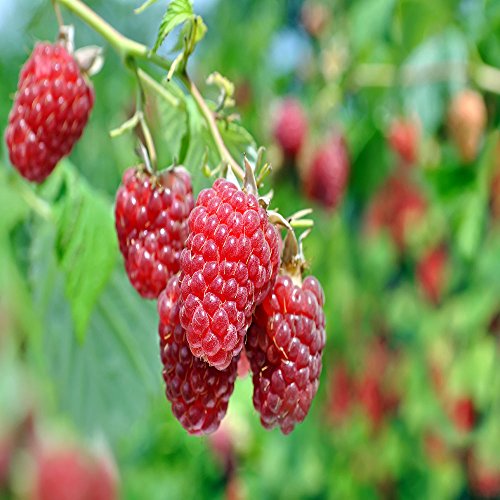
You will receive healthy bare root plants. We always send extra plants. We want to make sure you are completely satisfied.
What Are Bare-Root Plants?
Bare-root plants are dormant plants sold without soil around their roots. They are typically available during the plant’s dormant season, making them easier to transport and handle. When purchasing bare-root raspberries, you’ll receive plants with visible roots but no soil attached, allowing for easier inspection of root health before planting.
Benefits of Choosing Bare-Root Raspberries
Opting for bare-root raspberries comes with several advantages. These plants often establish themselves more quickly than potted ones once planted in suitable soil conditions. Since they are lightweight and easier to handle, you can plant them with ease, even if you’re a beginner gardener. Additionally, bare-root raspberries tend to be more cost-effective than potted plants, making them a budget-friendly option for expanding your raspberry patch.
By understanding the nature of bare-root raspberries and their benefits, you can confidently embark on your journey to grow vibrant raspberry bushes that yield an abundance of flavorful fruits.
Growth Timeline of Bare-Root Raspberries
When you plant bare-root raspberries, it’s essential to understand the growth timeline to anticipate when you’ll start harvesting delicious fruits. Here’s a breakdown of what you can expect as your raspberry bushes progress through different stages.
Planting Season and Preparation
To kickstart the growth journey of your bare-root raspberries, consider planting them in early spring when the soil is workable but not overly wet. Prepare the planting site by ensuring it has well-draining soil and receives ample sunlight throughout the day. Before planting, soak the bare roots in water for a few hours to rehydrate them and promote healthy root development.
Year-by-Year Growth Expectations
In the first year after planting, focus on establishing a strong root system and healthy canes. You may notice some initial growth above ground, but most of the plant’s energy will be directed towards below-ground development.
By the second year, your raspberry bushes should start producing fruit. While the yield might not be abundant yet, this marks the beginning of a fruitful harvest in subsequent years as the plants mature further.
As your bare-root raspberries enter their third year and beyond, you can expect increased fruit production as the bushes reach their full potential. With proper care and maintenance, including regular pruning and adequate nutrients, your raspberry patch will continue to thrive and provide bountiful harvests for years to come.
Factors Affecting Growth Rates
When cultivating bare-root raspberries, various factors influence their growth rates. Understanding these factors can help you optimize the conditions for your raspberry bushes to thrive efficiently.
Recommended Products


Soil Quality and Composition
The soil quality and composition play a crucial role in determining how quickly bare-root raspberries grow.
- Well-Draining Soil: Ensure the soil is well-draining to prevent waterlogging, which can hinder root development.
- Nutrient-Rich Soil: Opt for nutrient-rich soil or amend it with organic matter like compost to provide essential nutrients for healthy growth.
- pH Levels: Check and maintain the pH levels of the soil within the optimal range (around 5.5 to 6.5) to support nutrient uptake by the plants.
Climate and Environmental Conditions
The climate and environmental conditions also significantly impact the growth rates of bare-root raspberries.
- Sunlight Exposure: Raspberries thrive in full sun, so ensure they receive at least 6-8 hours of sunlight daily for optimal growth.
- Temperature: Ideal temperatures for raspberry growth range between 60°F to 75°F (15°C to 24°C). Extreme heat or cold can slow down growth.
By paying attention to these factors and providing suitable growing conditions, you can promote healthy and robust growth in your bare-root raspberry plants.
Care Tips for Healthy Growth
To ensure your bare-root raspberry plants thrive, follow these care tips:
Recommended Products

FOR USE ON: Use Berry-tone organic fertilizer for all berries including blueberries, strawberries, raspberries, and blackberries

Supports Healthy Growth & Strong Roots – This raspberry plant fertilizer promotes deep root development, lush foliage, and overall plant strength.

Promotes Abundant Berry Harvests: True Organic Berry Food supports the growth of juicy, organic fruits on berry plants and other acid-loving plants.
Watering and Fertilization Guidelines
Water your bare-root raspberries regularly, especially during dry spells. Aim to keep the soil consistently moist but not waterlogged. A good practice is to provide about 1-2 inches of water per week, either through rainfall or manual watering.
When it comes to fertilization, apply a balanced fertilizer in early spring before new growth appears. Look for a fertilizer specifically formulated for berries and follow the manufacturer’s instructions on application rates. Avoid over-fertilizing as it can lead to excessive foliage growth at the expense of fruit production.
Pruning and Disease Management
Pruning is essential for maintaining healthy raspberry plants. Start by removing any dead or damaged canes in late winter or early spring before new growth emerges. Thin out crowded areas to improve air circulation and reduce the risk of diseases.
Keep an eye out for common raspberry diseases such as powdery mildew, anthracnose, and cane blight. To prevent these issues, practice good garden hygiene by removing fallen leaves and debris around the plants. Consider applying fungicides according to label instructions if disease symptoms are present.
By following these care tips diligently, you can promote healthy growth and bountiful harvests from your bare-root raspberry bushes.
Conclusion
Now that you have a clear understanding of the growth timeline for bare-root raspberries, you can confidently nurture your plants from planting to harvest. By considering factors like soil quality, composition, and climate, you’ll create optimal conditions for your raspberry bushes to thrive. Remember to provide regular care through watering, fertilization, pruning, and disease management to ensure healthy growth. With patience and dedication to following these guidelines, you’ll soon be enjoying a bountiful harvest of delicious raspberries from your own garden. Happy gardening!
Frequently Asked Questions
Q: What factors influence the growth timeline of bare-root raspberries?
A: The growth timeline of bare-root raspberries is influenced by factors like soil quality, composition, and climate. These factors play a crucial role in determining the growth rate and overall health of raspberry bushes.
Q: How can I optimize conditions for my raspberry bushes?
A: To optimize conditions for your raspberry bushes, ensure you have well-draining soil, adequate sunlight exposure, proper watering practices, regular fertilization, and protection from extreme weather conditions.
Q: What care tips are essential for healthy growth of bare-root raspberries?
A: Essential care tips for healthy growth of bare-root raspberries include regular watering to keep the soil moist but not waterlogged, proper fertilization to provide essential nutrients, timely pruning to promote new growth, and disease management practices to prevent infections.
Q: Why is understanding the growth timeline important for anticipating fruit from raspberry plants?
A: Understanding the growth timeline is crucial for anticipating fruit from raspberry plants because it helps in planning and managing expectations regarding when to expect blooms and harvests. By knowing the stages of growth, you can better prepare for each phase and maximize fruit production.
