

Have you ever wondered when those charming crabapple trees in your yard will finally bear fruit? If you’ve planted one or are thinking about it, knowing when to expect those colorful apples can help you plan for the season.
Key Takeaways
- Understanding Varieties: Different crabapple tree varieties, like Malus domestica and Malus floribunda, vary in fruiting times and purposes, whether for fruit production or ornamental value.
- Growth Conditions Matter: Optimal sunlight (at least six hours daily), well-draining soil with a pH of 6.0 to 7.0, and regular watering are essential for healthy crabapple trees and successful fruiting.
- Pollination is Key: Cross-pollination often enhances fruit production; planting compatible varieties nearby and attracting pollinators like bees can significantly improve yields.
- Fruit Production Timeline: Crabapple trees typically begin producing fruit 3-5 years after planting, with the timing influenced by variety, age, climate, and care.
- Harvesting Priority: Fruits are best harvested when they change color and feel slightly soft, usually from late summer to early fall, using gentle hand-picking techniques and appropriate tools.
- Seasonal Planning: Understanding these aspects helps gardeners anticipate fruiting periods, allowing for better seasonal management and expectations regarding harvests.
Understanding Crabapple Trees
Crabapple trees add beauty to your garden and produce unique fruits. Knowing their characteristics helps you anticipate their fruiting period.
Types of Crabapple Trees
Several varieties of crabapple trees thrive in different conditions. Some common types include:
- Malus domestica: This category includes many cultivated varieties with sweet fruits. They’re often used for jelly and cider.
- Malus floribunda: Known for its stunning flowers and smaller fruit, this type offers ornamental value alongside minimal fruit-bearing.
- Malus sieversii: This variety produces larger apples and is a key ancestor of our modern apples. It’s often used in breeding programs.
Select a variety that aligns with your gardening goals, whether for fruit production or ornamental purposes.
Growth Conditions
Crabapple trees flourish under specific growth conditions. Key factors include:
- Sunlight: Position trees in full sun for at least six hours daily. This exposure enhances flowering and fruit set.
- Soil: Well-draining soil is crucial. Aim for a pH between 6.0 and 7.0. Loamy, sandy, or clay soil types work, as long as drainage is good.
- Water: Regular watering during dry spells encourages healthy growth. Ensure the soil remains moist but not soggy.
- Temperature: These trees thrive in USDA hardiness zones 3-8. Choose a variety suited to your local climate.
Understanding these conditions helps ensure your crabapple trees grow strong and healthy, ultimately leading to fruitful harvests.
Fruit Production Timeline
Crabapple trees typically begin to produce fruit after a few years of growth. The exact timing can vary based on several factors including tree variety and growing conditions. Here’s what you need to know about key aspects of fruit production.
Pollination Process
Pollination plays a crucial role in fruit production for crabapple trees. These trees may require cross-pollination to produce fruit, meaning you need at least two different varieties nearby. Bees and other pollinators facilitate this process, transferring pollen from one flower to another. To enhance fruit set, plant compatible varieties within 50 feet of each other. Observing active bee populations can also indicate successful pollination, leading to fruitful harvests.
Factors Affecting Fruit Production
Several factors impact the fruiting of crabapple trees:
- Variety: Different varieties bear fruit at distinct times. For example, Malus domestica typically produces fruit in mid-summer, while Malus floribunda may yield later in the season.
- Age: Young trees, usually between 3 to 5 years, may not produce fruit consistently. Mature trees generally bear more fruit.
- Climate: Warm temperatures during flowering encourage fruit set. Conversely, late frosts can damage blossoms, reducing fruit production.
- Care: Proper watering, fertilization, and pruning support healthy growth and fruiting. Aim for well-drained soil with adequate nutrients to promote optimal health.
- Sunlight: Crabapple trees thrive in full sun. At least 6 hours of direct sunlight daily enhances flowering and fruiting capabilities.
Understanding these factors helps you anticipate when your crabapple tree will start producing fruit, guiding your seasonal gardening plans.
Ideal Growing Conditions for Fruit
Crabapple trees thrive under specific conditions that support healthy growth and fruit production. Focusing on soil, sunlight, and water needs helps ensure these trees produce colorful apples.
Recommended Products

Kindly NOTE: This soil tester can not be applied to test pH value of any other liquid. If the soil is too dry the indicator will not move, and water it before testing.

Quick, at home results for Soil pH, Nitrogen, Phosphorous and Potash Innovative and inexpensive soil test kit features an easy-to-use capsule system and patented color comparators
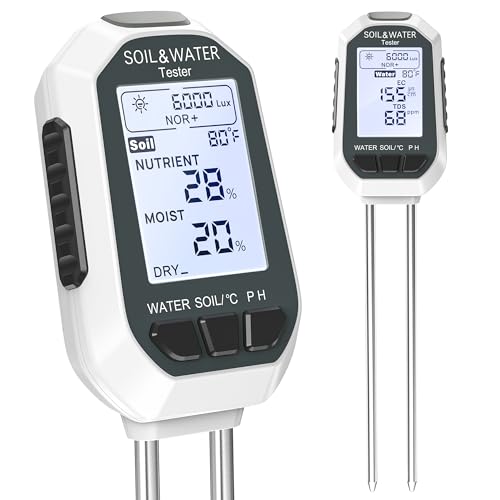
【7-in-1 Features】This is a 7-in-1 multi-function soil tester. Our soil tester quickly measures soil moisture, pH, temperature and light intensity, and its fertility function helps you take better care of your plants. With this device you can measure the soil moisture, pH, temperature and light intensity for your plants and with the EC and TDS functions you will know when it is time to water the soil.
Soil Requirements
Crabapple trees prefer well-drained soil rich in organic matter. Aim for a pH level between 6.0 and 7.0 for optimal growth. Sandy loam or loamy soils work best, as they allow for good drainage while retaining moisture. If your soil is heavy clay, consider amending it with compost to improve drainage and nutrient content. Regular soil testing can provide insights into nutrient levels, helping you adjust accordingly.
Sunlight and Water Needs
Crabapple trees require full sunlight for at least six hours daily. Position them in an area without shade from larger plants or structures. Good sunlight exposure improves flowering and fruiting potential.
Water plays a crucial role in the health of your tree. During the first two years, ensure consistent watering to promote strong root development. After that, crabapple trees typically need about an inch of water per week, either through rain or irrigation. Use mulch around the base to retain moisture and regulate soil temperature.
Harvesting Crabapple Fruits
Harvesting crabapple fruits occurs when they reach the right size and color, typically in late summer to early fall. Timing is essential to enjoy their best flavor and texture.
Recommended Products

▲【Large Fruit Picker Basket with Claw】Our fruit picker rake comes with metal twist on head basket( 9"x5.5"x5.5") for picking avocado, tangerines, apple, persimmon, grapefruit, mango, apple, pear, fig, orange, papaya,mandarins, lemons, jujubes and more fruit in four seasons.

FIRST TWIST-ON BASKET HEAD (POLE SOLD SEPARATELY) – Unlike others, our Fruit Picker twists onto all Eversprout Extension Poles or any pole with Universal/Standard US Threading, or ¾” Acme Threading. The Twist-On Design providing a quick, reliable, and secure attachment that won’t come loose! (Pole not included)
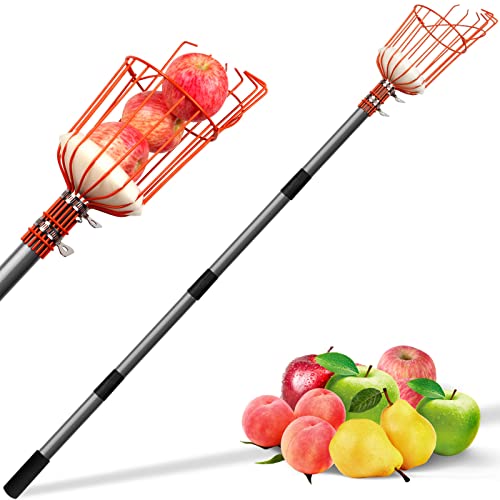
【Gentle Harvesting& Less Bruising】:This fruit picker basket features a cushioned foam pad that gently absorbs impact when fruits drop, helping reduce bruising and damage. The large-capacity metal basket is suitable for fruits ranging from 1-5.5 inches in diameter. Such as apples, mangoes, cherries, and other fruits, it ensures cleaner and safer picking with less waste.
Best Time to Harvest
Crabapple fruits are usually ready for harvest from late August to October, depending on the specific variety and local climate conditions. Look for signs such as a change in color—most varieties shift from green to shades of yellow, red, or purple. A gentle squeeze can also help; ripe fruits feel slightly soft but not mushy.
- Hand-Picking: Use your hands to pick fruits gently from the tree. Twist them slightly to detach, avoiding damage to the branches. Consider wearing gloves to protect your hands from moisture and sap.
- Harvesting Tools: Use a fruit picker with a basket for high branches. This tool extends your reach and prevents you from climbing.
- Gathering Fallen Fruit: Collect fruits that have naturally fallen to the ground. Inspect them carefully as they may spoil faster than those still on the tree.
- Timing Your Harvest: Harvest on dry days, ideally in the morning or late afternoon, to ensure the best quality. Avoid wet days to maintain the integrity of the fruit and reduce spoilage.
With these methods, you can ensure a bountiful and enjoyable crabapple harvest.
Conclusion
Understanding when your crabapple tree will bear fruit can make your gardening experience even more rewarding. With the right care and conditions your tree can thrive and produce beautiful fruit for you to enjoy.
Remember to consider factors like variety and pollination to help ensure a successful harvest. By planning ahead and keeping an eye on your tree’s needs you can look forward to those colorful apples each season. Happy gardening and enjoy the fruits of your labor!
Frequently Asked Questions
When do crabapple trees start producing fruit?
Crabapple trees usually begin to bear fruit after 3 to 5 years of growth. However, the exact timing can vary based on the tree variety and growing conditions.
What are the best growing conditions for crabapple trees?
Crabapple trees thrive in well-drained soil rich in organic matter with a pH level of 6.0 to 7.0. They require at least six hours of direct sunlight daily and consistent watering, particularly during their first two years.
Do crabapple trees need pollination?
Yes, most crabapple trees benefit from cross-pollination to enhance fruit production. Planting compatible varieties nearby can improve your chances of a successful harvest.
When is the best time to harvest crabapple fruits?
The ideal time for harvesting crabapple fruits is from late summer to early fall, typically between late August and October. Look for signs like color changes and texture for optimal harvesting.
How should I harvest crabapple fruits?
Gently hand-pick the fruits, using harvesting tools for branches that are high. Also, collect any fallen fruits and aim to harvest on dry days to maintain fruit quality.
