

Ever looked at your pear tree and wondered why it’s shedding fruit? You’re not alone. Many gardeners face this frustrating issue, and it can leave you scratching your head.
Key Takeaways
- Environmental Factors Matter: Ensure your pear tree is exposed to consistent temperatures, adequate sunlight, and proper watering to prevent stress that leads to fruit drop.
- Vigilance Against Pests and Diseases: Regularly inspect for pests like codling moths and diseases such as pear scab, using preventative measures like traps and fungicides to maintain tree health.
- Nutrient Management is Key: Test soil quality to ensure proper pH and nutrient levels; apply balanced fertilizers in spring to support growth and fruit retention.
- Seasonal Awareness: Be aware of seasonal changes and their impact on fruit drop, particularly during temperature fluctuations, heavy rainfall, and strong winds.
- Proactive Care Techniques: Implement regular watering, mulching, and pruning to create a supportive environment for fruit retention and overall tree health.
- Know When to Seek Help: If issues persist after preventative measures, consult a professional for assistance with pest control, disease diagnosis, or soil management.
Common Reasons For Fruit Drop
Fruit drop in pear trees can stem from various factors. Understanding these reasons helps you find solutions to minimize loss.
Recommended Products

Supports Fruit Production & Growth – Helps promote consistent fruit development, healthy foliage, and overall tree performance.

Let our professionally formulated plant food help your fruit tree grow healthy, strong AND abundantly producing

Let our professionally formulated plant food help your fruit tree grow healthy, strong AND abundantly producing
Environmental Factors
Environmental stress often triggers fruit drop. Consider these aspects:
- Temperature Fluctuations: Rapid temperature changes can lead to stress. Pear trees prefer consistent temperatures.
- Water Supply: Overwatering or underwatering causes problems. Aim for deep watering during dry spells, not soggy roots.
- Sunlight Exposure: Insufficient sunlight impacts fruit development. Ensure your tree receives at least six hours of direct sunlight daily.
Pests and Diseases
Pests and diseases may also contribute to fruit shedding. Watch for these common culprits:
- Codling Moths: These pests can damage fruit, leading to premature drop. Use traps or organic pesticides to control infestations.
- Pear Scab: This fungal disease causes leaf spots and fruit drop. Apply fungicides early in the season for prevention.
- Fire Blight: Bacterial infections can threaten your tree’s health. Prune affected branches promptly to minimize spread.
Stay vigilant and address these issues early to promote healthier fruit growth on your pear tree.
Nutritional Deficiencies
Nutritional deficiencies often contribute to fruit drop in pear trees. Understanding soil quality and the impact of fertilization plays a significant role in maintaining tree health.
Recommended Products

Kindly NOTE: This soil tester can not be applied to test pH value of any other liquid. If the soil is too dry the indicator will not move, and water it before testing.

KNOW BEFORE YOU GROW | Grow the healthiest, sustainable lawn and garden with the most accurate and easy to use professional soil test kit on the market

✅ 1Dial & 1 LCD Screen - Replace/install all 3 batteries each time. Put button to %RH/°F to - Turn On, and put to LIGHT to - Turn Off. Read the LCD results in 3-5 mins. (Not Water Moisture Meter, so, please don't test liquid)
Importance of Soil Quality
Soil quality affects nutrient availability. Compacted or poor-quality soil restricts root growth and nutrient absorption. Test your soil regularly for pH and nutrient levels. Aim for a pH between 6.0 and 7.0 for optimal growth. Improve soil by adding organic matter, like compost, to enhance structure and fertility. Regularly aerating the soil can also promote better root development, leading to healthier fruit production.
Impact of Fertilization
Fertilization influences overall tree vitality. Use balanced fertilizers with equal parts nitrogen, phosphorus, and potassium for best results. In early spring, apply fertilizer based on your tree’s specific needs. Over-fertilization can result in excess leaf growth at the expense of fruit, while under-fertilization may lead to nutrient deficiencies. Signs of deficiencies include yellowing leaves and small, poorly developed fruit. Adjust your fertilization plan according to observed symptoms to support healthy fruit retention.
Seasonal Considerations
Pear trees face various challenges throughout the seasons, which can lead to fruit dropping. Understanding these seasonal impacts helps you address issues more effectively.
Timing of Fruit Drop
Fruit drop often occurs during specific periods in the growing cycle. Early in the season, trees shed excess fruit to allocate resources to the strongest developing fruit. This self-thinning process ensures better quality harvests later. However, if significant dropping occurs after this natural thinning, it may indicate stress due to inadequate nutrients or improper watering. Monitor fruit drop patterns and adjust your care routine accordingly.
Weather Conditions
Weather plays a crucial role in fruit retention on pear trees.
- Temperature Fluctuations: Extreme heat or cold can stress trees, contributing to fruit drop. Aim for consistent watering during unexpected temperature changes.
- Heavy Rainfall: Prolonged wet conditions may lead to root rot or fungal diseases, which can result in fruit loss. Ensure proper drainage around the tree base to prevent water accumulation.
- Wind Damage: High winds can cause physical damage to branches and fruit. Providing windbreaks or locating your tree in a sheltered area can minimize this risk.
Stay attentive to weather forecasts and environmental conditions. This vigilance allows you to take preventive measures for better fruit retention.
Solutions To Prevent Fruit Drop
Implementing effective care techniques ensures healthier fruit retention on your pear tree. Understanding specific needs and responding promptly to issues can greatly improve outcomes.
Recommended Products
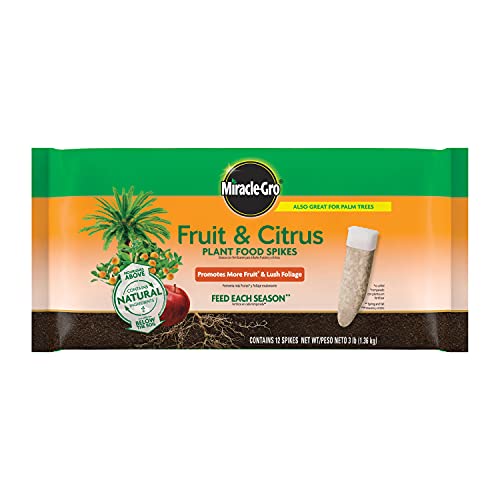
FORMULATED FOR CITRUS AND FRUIT TREES: Use these citrus fertilizer spikes on apple, orange, lemon, lime, and avocado trees; this formula is also great for feeding palm trees

These are ready to plant and should be put in the ground according to the included instructions upon arrival. All pictures are of fully grown plants. Sizes shipped are in the title and description. Deciduous plants do not have leaves in the winter.

Boosts Fruit & Nut Yields: True Fruit & Nut Food encourages productive tree growth, promoting bountiful harvests of fruits and nuts for your family table.
Proper Care Techniques
- Water Consistently: Water your pear tree deeply during dry spells, ensuring the soil remains moist but not waterlogged. Aim for about 1 to 2 inches of water weekly.
- Mulch: Apply a 3-inch layer of organic mulch around the base. This retains soil moisture and regulates temperature.
- Fertilize: Use a balanced fertilizer each spring, tailored to your tree’s nutrient needs. Adjust based on soil tests to prevent nutrient deficiencies.
- Prune Regularly: Prune your tree annually to enhance airflow and light penetration. Focus on removing dead or crossing branches.
- Monitor Pests: Inspect your tree regularly for pests. Use organic insecticides or traps for codling moths and other harmful insects.
- Disease Management: Apply fungicides as necessary, especially during wet conditions, to prevent diseases like pear scab and fire blight.
When To Seek Professional Help
Identify when an expert may be needed. If you notice persistent fruit drop despite your efforts or observe severe signs of disease or pest infestation, contacting a professional can provide critical support.
- Severe Infestation: If pests are overtaking your tree and impacting its health, a pest control specialist can provide targeted treatments.
- Disease Diagnosis: Uncertainty about a disease affecting your tree warrants a consultation with a certified arborist or local extension service.
- Soil Concerns: If soil testing reveals significant deficiencies or contamination that you can’t manage alone, soil experts can recommend specific amendments.
- Tree Health Decline: A certified arborist can assess overall tree health and offer customized care plans tailored to your specific situation.
Acting quickly when issues arise can address problems efficiently and prevent fruit drop from becoming a recurring concern.
Conclusion
Dealing with fruit drop on your pear tree can be frustrating but understanding the reasons behind it can help you take the right steps. By paying attention to environmental factors soil health and potential pests or diseases you can create a more supportive growing environment.
Regular monitoring and timely interventions are key to ensuring your tree thrives and produces healthy fruit. With a little care and attention you can enjoy a bountiful harvest in the seasons to come. Happy gardening!
Frequently Asked Questions
What causes fruit shedding in pear trees?
Fruit shedding in pear trees can be caused by environmental stressors like temperature fluctuations, insufficient sunlight, and water supply issues. Additionally, pests such as codling moths and diseases like pear scab can also contribute to this problem.
How does soil quality affect fruit retention in pear trees?
Poor soil quality can restrict root growth and nutrient absorption, leading to nutritional deficiencies that result in fruit drop. Regular soil testing and adding organic matter can help improve soil fertility and support healthier fruit retention.
When does natural fruit drop occur in pear trees?
Natural fruit drop typically happens early in the growing season when trees shed excess fruit to concentrate resources on the strongest developing ones. This self-thinning process is normal and helps the tree focus on its healthiest fruit.
How can I prevent fruit drop in my pear trees?
Preventing fruit drop involves consistent watering, applying mulch, using balanced fertilizers, regular pruning, and monitoring for pests and diseases. Understanding your tree’s specific needs and responding promptly is key to maintaining healthy fruit growth.
When should I seek professional help for my pear trees?
You should seek professional help if you notice severe pest infestations, signs of disease, poor soil quality, or an overall decline in tree health. Early intervention can prevent further damage and address issues effectively.
