

Loquat trees thrive in Dallas, TX, due to the region’s favorable climate and soil conditions. Proper care and attention to specific growth factors ensure a fruitful harvest of these delicious fruits.
North Texas Loquat Tree Varieties
Loquat trees come in several varieties, each with unique characteristics. Choosing the right variety is crucial for successful growth in North Texas. Common types include the Golden Nugget, known for its sweet, juicy fruit, and the Champagne, which produces larger fruits with a slightly tart flavor.
| Variety | Fruit Size | Flavor Profile | Growth Habit |
|---|---|---|---|
| Golden Nugget | Medium | Sweet | Compact |
| Champagne | Large | Tart | Spreading |
| Big Jim | Large | Sweet | Upright |
Selecting a variety suited to your space and taste preferences will enhance your gardening experience.
Soil pH Testing for Loquat Trees
Understanding the soil pH is crucial for the successful growth of loquat trees in Dallas, TX. This section delves into the importance of soil acidity and alkalinity, providing insights on how to accurately test and adjust pH levels to create an optimal environment for these trees to thrive in North Texas.
Loquat trees prefer well-drained, slightly acidic soil. Testing your soil pH is essential for determining necessary amendments. Aim for a pH between 6.0 and 6.5 for optimal growth.
Steps to Prepare Soil:
Test soil pH using a home testing kit.
Amend soil with sulfur to lower pH or lime to raise it.
Incorporate organic matter like compost to improve drainage.
Proper soil preparation leads to healthier trees and better fruit production.
Loquat Tree Watering Best Practices
Proper watering is essential for the health and growth of loquat trees in Dallas, TX. Given the region’s unique climate and soil conditions, understanding the best practices for watering can significantly enhance tree vitality and fruit production. This section outlines effective strategies to ensure your loquat trees thrive in North Texas.
Watering is a critical factor in the growth of loquat trees. These trees require regular moisture, especially during dry spells. However, overwatering can lead to root rot.
Watering Guidelines:
Newly planted trees need deep watering once a week.
Established trees require watering every 10-14 days during dry periods.
Mulch around the base to retain soil moisture.
Monitoring soil moisture levels ensures that your loquat trees thrive without the risk of disease.
Loquat Tree Fertilization Timing and Tips
Understanding the optimal fertilization timing and techniques for loquat trees is crucial for successful growth in Dallas, TX. This section provides essential tips tailored to the unique climate and soil conditions of North Texas, ensuring that your loquat trees thrive and produce abundant fruit. Discover the best practices to enhance their health and productivity throughout the growing season.
Loquat trees benefit from a balanced fertilizer regimen. Fertilization promotes healthy foliage and fruit production.
Recommended Fertilizer Types:
Slow-release fertilizers provide nutrients over time.
Organic options like fish emulsion or bone meal enhance soil health.
Fertilization Steps:
Apply fertilizer in early spring.
Reapply every 6-8 weeks during the growing season.
Monitor tree health for signs of nutrient deficiency.
A consistent fertilization schedule supports robust growth and fruit yield.
Loquat Tree Pest Control Techniques
Managing pests is crucial for the health of loquat trees in Dallas, TX, where unique environmental conditions can attract various threats. Effective pest control techniques not only protect the trees but also enhance their growth and fruit production. Understanding these methods can help gardeners maintain vibrant and fruitful loquat trees throughout North Texas.
Pests can threaten the health of loquat trees. Identifying and managing these pests is essential for maintaining tree vigor. Common pests include aphids, spider mites, and scale insects.
Pest Control Methods:
Introduce beneficial insects like ladybugs to control aphids.
Use insecticidal soap for spider mite infestations.
Regularly inspect trees for early signs of scale.
Implementing these strategies minimizes pest damage and promotes healthy trees.
Recommended Products
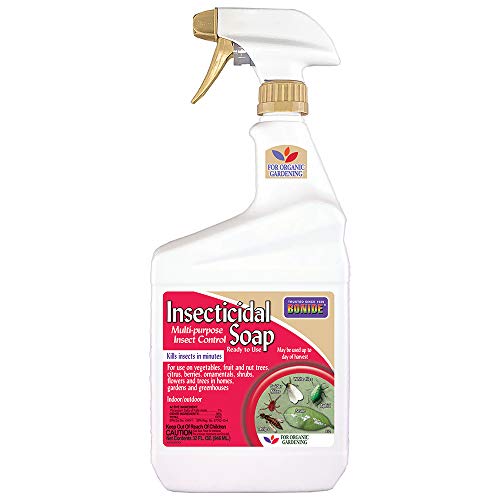
Captain Jack's Insecticidal Super Soap controls species of adelgid, ant, aphid, borer, caterpillar, spider mite, cricket, chinch bug, weevil, fly, thrip, and more

KILLS LISTED FRUIT & CITRUS TREE INSECTS: Controls Asian Citrus Psyllid, Whiteflies, Aphids Thrips, Citrus Leafminers, Leafhoppers, Blackfly, Mealybugs, Scales, Avocado Lacebugs, Oriental Beetles, Flea Beetles, Sharpshooters, and Spittlebugs

Kill borers, miners and more in your lawn and garden with Annual Tree & Shrub Insect Control Concentrate with Systemaxx from Bonide
Optimal Timing for Loquat Harvesting
Understanding the optimal timing for harvesting loquats is crucial for maximizing fruit quality in Dallas, TX. This section delves into the specific seasonal indicators and environmental factors that signal when these trees yield their best fruit, ensuring a successful harvest for North Texas growers.
Harvesting loquats at the right time ensures peak flavor. These fruits ripen in late spring to early summer.
Harvesting Steps:
Check fruit color; ripe loquats are golden-yellow.
Gently twist and pull the fruit from the branch.
Store harvested fruit in a cool, dry place.
Proper harvesting techniques enhance fruit quality and extend storage life.
Local Gardening Support for Loquat Trees
In Dallas, TX, cultivating loquat trees can be a rewarding endeavor, but local gardening support is essential for success. From soil preparation to pest management, resources and expertise tailored to the unique climate of North Texas can help ensure healthy growth and fruitful yields. Understanding these local insights can make a significant difference in your gardening journey.
Local gardening clubs and extension services can provide valuable resources for loquat tree care. Engaging with community experts can enhance your gardening knowledge and success.
Local Resources:
Dallas County Master Gardeners offer workshops and advice.
Local nurseries provide specific varieties and care tips.
Online forums connect you with fellow loquat enthusiasts.
Utilizing these resources can lead to a more fruitful gardening experience.
