

Growing banana trees in Massachusetts is feasible with the right techniques and care. These tropical plants can thrive in New England if gardeners provide adequate warmth, protection, and proper soil conditions.
Best Banana Tree Varieties for Massachusetts
When considering banana trees for Massachusetts, selecting the right variety is crucial for successful growth in the region’s unique climate. Some banana trees thrive better than others, offering resilience against cooler temperatures and shorter growing seasons. This section explores the best banana tree varieties suited for New England, ensuring gardeners can enjoy fruitful yields despite the challenges.
Banana trees come in various species, each with unique characteristics. Selecting the right variety is crucial for success in Massachusetts. The most suitable types include:
Dwarf Cavendish: This variety grows to about 4-5 feet and produces sweet bananas. It is hardy and can survive in containers.
Blue Java: Known as the “ice cream banana,” it has a unique flavor and can tolerate cooler temperatures.
Musa basjoo: This is a cold-hardy variety that can survive winter temperatures down to 0°F, making it ideal for outdoor planting.
| Variety | Height | Cold Tolerance | Flavor |
|---|---|---|---|
| Dwarf Cavendish | 4-5 feet | Moderate | Sweet |
| Blue Java | 10-15 feet | Moderate | Creamy |
| Musa basjoo | 6-10 feet | High | Starchy |
Recommended Products
![Greenwood Nursery: Live Perennial Plants - Musa Basjoo Cold Hardy Banana - [Qty: 2X Pint Pots] - (Click for Other Available Plants/Quantities)](https://m.media-amazon.com/images/I/51cl7jVVE3L._SL500_.jpg)
🌿 [INFO1] - Gives a tropical look to your garden. Grows from the Southern U.S. all the way to the southern part of Canada. A hardy Flowering Banana plant provides a tropical plant or jungle garden feel for pool landscapes, zen gardens and also makes an excellent container plant for porches, decks, patios & sunny areas of the house. The yellow orange flowers will produce small ornamental fruits that are not edible.
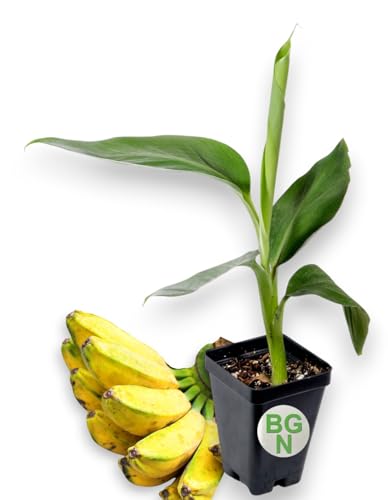
Size and Growth: The California Gold Banana plant is compact yet striking, reaching a mature height of about 5 to 7 feet. This manageable size makes it perfect for smaller spaces, urban gardens, or even as a potted plant on patios and balconies. Despite its smaller stature compared to other banana varieties, it delivers lush, wide leaves that lend a distinctly tropical feel to any setting.

Live Plants for Planting 🌱 – Includes 4 rooted Musa basjoo banana plants, ready to plant in your garden or large pots.
Soil Preparation Techniques for Banana Trees
Successfully growing banana trees in Massachusetts requires careful attention to soil preparation. The unique climate and soil conditions of New England necessitate specific techniques to ensure optimal growth and fruit production. Understanding these methods will help gardeners create a suitable environment for their banana trees to thrive despite the region’s challenges.
Proper soil preparation is essential for healthy banana trees. The ideal soil should be rich in organic matter and well-draining. Follow these steps to prepare your soil:
Test the Soil: Use a soil test kit to determine pH and nutrient levels.
Amend the Soil: Incorporate compost and well-rotted manure to improve fertility.
Ensure Drainage: If planting in a garden bed, create raised beds to enhance drainage.
Recommended Products

Quick, at home results for Soil pH, Nitrogen, Phosphorous and Potash Innovative and inexpensive soil test kit features an easy-to-use capsule system and patented color comparators

Kindly NOTE: This soil tester can not be applied to test pH value of any other liquid. If the soil is too dry the indicator will not move, and water it before testing.

KNOW BEFORE YOU GROW | Grow the healthiest, sustainable lawn and garden with the most accurate and easy to use professional soil test kit on the market
Soil Enhancements for Banana Tree Growth
To successfully cultivate banana trees in Massachusetts, understanding the specific soil enhancements needed for optimal growth is crucial. The unique climate and soil conditions of New England require tailored amendments to support these tropical plants. This section delves into effective strategies for improving soil quality to ensure thriving banana trees in a challenging environment.
The right amendments can significantly impact the growth of banana trees. Consider these options:
Compost: Provides essential nutrients and improves soil structure.
Bone Meal: Adds phosphorus, promoting root development and flowering.
Potassium Sulfate: Enhances fruit quality and overall plant health.
Planting Strategies for Massachusetts Banana Trees
Successfully growing banana trees in Massachusetts requires careful planning and specific planting strategies tailored to the region’s climate. Understanding the unique challenges posed by New England’s weather will help ensure that these tropical plants thrive, allowing gardeners to enjoy the fruits of their labor. This section outlines effective methods to plant and nurture banana trees in this northern environment.
Timing and technique are critical for planting banana trees in Massachusetts. Follow these guidelines for successful planting:
Choose the Right Time: Plant in late spring after the last frost.
Select a Sunny Location: Ensure the planting site receives full sun for at least 6-8 hours daily.
Space Appropriately: Allow 6-8 feet between each tree to promote airflow and growth.
Container and Ground Planting Benefits
Growing banana trees in Massachusetts presents unique challenges, but both container and ground planting offer distinct advantages. Container planting allows for mobility and protection from harsh weather, while ground planting can lead to stronger root systems and greater fruit yield. Understanding these benefits is essential for successful cultivation in New England’s climate.
Deciding between container and ground planting affects growth potential. Here are the benefits of each method:
Container Planting:
Easier to protect from cold weather.
Allows for mobility to optimize sunlight exposure.
Ground Planting:
Provides more space for root expansion.
Generally leads to larger plants and higher yields.
Seasonal Maintenance Tips for Banana Trees
Caring for banana trees in Massachusetts requires a keen understanding of seasonal changes and specific maintenance practices. As temperatures fluctuate and the growing season progresses, implementing the right strategies can ensure these tropical plants thrive in New England’s unique climate. The following tips will help you navigate the seasonal challenges and promote healthy growth for your banana trees.
Maintaining banana trees through the seasons is vital for their success in Massachusetts. Key care practices include:
Watering: Keep the soil consistently moist but not waterlogged. Use mulch to retain moisture.
Fertilizing: Apply a balanced fertilizer every 4-6 weeks during the growing season.
Winter Protection: For outdoor plants, wrap the base with burlap and apply mulch to insulate roots.
Recommended Products

3-Layer Insulation Design: Featuring a unique 3-layer structure of non-woven fabric, foam, and aluminum foil, this product offers exceptional insulation performance. This unique design effectively traps heat and prevents frost damage in cold weather.

𝐕𝐄𝐑𝐒𝐀𝐓𝐈𝐋𝐄 𝐏𝐑𝐎𝐓𝐄𝐂𝐓𝐈𝐎𝐍 𝐅𝐎𝐑 𝐓𝐑𝐄𝐄𝐒: Tree trunk guard help trees withstand winter cold and frost damage, prevent trees from being exposed to high-intensity sunlight, and allow trees to grow healthily. This tree cover maintains moisture and ventilation for healthy growth.

【Getting Your Palm Tree Through the Winter】Palm Root Protection Bag is made of non-woven fabric, the inner layer is lined with aluminum coating, It forms a thermal insulation that protects your plants from lower trunk and root area from harsh weather conditions and ensures their survival and growth.
Pest and Disease Challenges for Banana Trees
Growing banana trees in Massachusetts presents unique challenges, particularly when it comes to pests and diseases. The region’s climate and environmental conditions can foster specific threats that impact the health and productivity of these tropical plants. Understanding these challenges is crucial for successful cultivation in New England.
Banana trees can be susceptible to pests and diseases. Regular monitoring is essential. Common issues include:
Aphids: These can be controlled with insecticidal soap.
Fungal Diseases: Ensure good air circulation and avoid overhead watering to prevent issues.
Timing for Optimal Banana Harvest
To successfully cultivate banana trees in Massachusetts, understanding the timing for optimal harvest is crucial. The unique climate conditions of New England require careful planning and attention to seasonal changes, ensuring that growers can maximize their yield while navigating the challenges posed by cooler temperatures. This section delves into the best practices for timing your banana harvest in this region.
Harvesting bananas at the right time ensures optimal flavor and texture. Follow these steps for successful harvesting:
Monitor the Bunch: Wait until the bananas turn from green to yellow.
Cut the Bunch: Use a sharp knife to cut the entire bunch from the plant.
Ripen Off the Plant: Allow bananas to ripen indoors at room temperature.
Banana Storage Techniques for New England
Successfully growing banana trees in Massachusetts requires careful attention to storage techniques, especially given the region’s cooler climate. Proper methods for storing bananas can help ensure that the fruits remain fresh and flavorful, even when harvested in less-than-ideal conditions. This section explores effective strategies for banana storage tailored to New England’s unique challenges.
Proper storage can extend the shelf life of harvested bananas. Consider these tips:
Store in a cool, dry place away from direct sunlight.
Use ripe bananas in smoothies, baking, or as snacks.
Essential Tips for Successful Banana Cultivation
Growing banana trees in Massachusetts can be a rewarding endeavor, despite the region’s challenging climate. With the right techniques and knowledge, you can successfully cultivate these tropical plants even in New England. Here are essential tips to ensure your banana trees thrive and produce fruit in this unique environment.
Growing banana trees in Massachusetts requires careful planning and attention. Choose the right variety, prepare the soil, and provide seasonal care to ensure success. Always monitor for pests and diseases to maintain plant health.
