

Have you ever wondered when to plant fruit trees for the best harvest? Timing can make all the difference between a thriving tree and one that struggles to grow. If you’ve ever faced the disappointment of planting too early or too late, you’re not alone.
Key Takeaways
- Planting Timing: The ideal times to plant fruit trees are in spring after the last frost and in fall 6-8 weeks before the first frost, allowing for optimal root establishment and growth.
- Seasonal Benefits: Spring planting takes advantage of rising soil temperatures, while fall planting benefits from warm soils and winter dormancy, giving trees a head start in spring.
- Climate Considerations: Understanding your climate and USDA hardiness zone is vital for selecting the right fruit trees that will thrive in your specific conditions.
- Soil Quality: Testing soil pH and quality is crucial; most fruit trees prefer slightly acidic to neutral soil. Proper soil preparation, including drainage, can enhance tree health.
- Common Mistakes: Avoid planting errors such as incorrect timing, depth, and spacing, which can lead to poor growth. Ensure to water trees immediately after planting and apply mulch for moisture retention.
- Tree Type Selection: Choose the right type of fruit tree (deciduous vs. evergreen) based on your climate and soil conditions for successful growth and harvest.
Understanding Seasonal Changes
Understanding seasonal changes is crucial for timing your fruit tree planting. Each season offers unique conditions that can significantly influence growth.
Recommended Products

Product Quantity: 180+ premium bonsai fruit seeds across 5 varieties; Individual packs contain 40+ apple, 40+ lemon, 40+ orange, 20+ blueberry, and 40+ cherry seeds; Perfect for starting a diverse miniature orchard

180+ Premium Fruit Seeds Collection: Create your own home orchard with this comprehensive collection of 180+ premium fruit seeds. Includes 40 lemon, 10 cherry, 40 orange, 40 apple, 40 passion fruit, and 10 blueberry seeds for diverse fruit cultivation.

Fragrant Flowers: Bloom blossoms that provide precious nectar for pollinators like bees, creating your own romantic orchard with heavy fruit and rich flavor
Spring Planting Benefits
Spring planting provides several advantages. Warmer temperatures encourage quick growth. Soil temperatures rise, promoting root development. Planting in spring allows trees to establish before summer heat sets in.
Examples:
- Apple trees thrive when planted in late March or early April.
- Citrus trees benefit from April’s warmer soil.
Consider planting after the last frost in your area to protect young trees. Watering becomes essential as the weather warms.
Fall Planting Advantages
Fall planting also presents distinct benefits. Soil remains warm from summer heat, allowing roots to grow and establish before winter. Trees benefit from winter’s dormancy, giving them a head start come spring.
- Pear trees planted in October often show better growth in the following spring.
- Stone fruit trees, such as peaches, establish well in autumn.
Choose a window 6-8 weeks before the first frost, allowing trees to adapt. Ensure adequate watering, even as temperatures drop.
Factors to Consider
Planting fruit trees requires careful consideration of various factors to ensure successful growth and fruitful yields.
Recommended Products

Quick, at home results for Soil pH, Nitrogen, Phosphorous and Potash Innovative and inexpensive soil test kit features an easy-to-use capsule system and patented color comparators


KNOW BEFORE YOU GROW | Grow the healthiest, sustainable lawn and garden with the most accurate and easy to use professional soil test kit on the market
Climate and Hardiness Zones
Understanding your climate and hardiness zone is essential before planting. Different trees thrive in specific temperature ranges and conditions. You can find your hardiness zone by referencing the USDA Plant Hardiness Zone Map. For instance, apple trees flourish in zones 3-8, while citrus trees thrive in zones 9-10. It’s important to select trees compatible with your zone to endure seasonal temperature shifts.
Soil Conditions and Preparation
Soil quality significantly influences tree health. Before planting, test your soil to determine its pH level and nutrient content. Most fruit trees prefer slightly acidic to neutral soil, with a pH between 6.0 and 7.0. If your soil is poor, enrich it with organic matter like compost or well-rotted manure. Proper drainage is also crucial; avoid areas where water pools. Dig a planting hole that’s twice the width of the root ball but no deeper than needed to ensure roots spread easily.
By addressing these factors, you’ll set the stage for your fruit trees to thrive and produce a bountiful harvest.
Types of Fruit Trees
Fruit trees vary widely, each type suited to different climates and growth conditions. Understanding the categories helps you choose the right trees for your garden or orchard.
Recommended Products
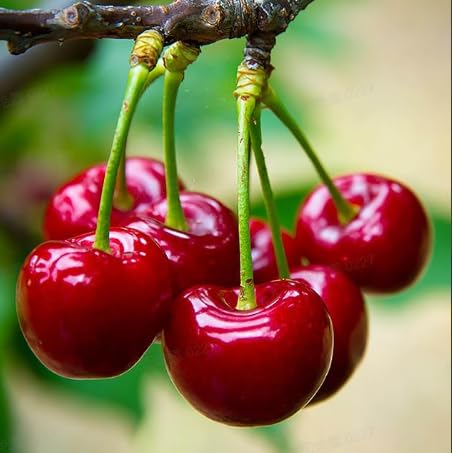
Basic Seed Attributes & Planting Scenarios: 20 Pcs Cherry Tree Seeds, non-GMO heirloom variety, with sweet and tender juicy fruits, suitable for home garden cultivation, and can be planted both indoors and outdoors.

Heirloom Physalis Variety: Ground cherries seeds for planting produce sweet golden berries in papery husks. These heirloom seeds yield hundreds of ground cherries per season in sunny gardens.

4 kinds of the most popular fruits, individually packaged, 50pcs Lemon seeds 50pcs Cherry seeds 50pcs Orange seeds 50pcs Apple seeds Fresh seeds, all fruit seeds are packed in tear and moisture resistant zipper sealed bags for your long term storage.
Deciduous Trees
Deciduous fruit trees shed leaves annually, entering dormancy in winter. These trees thrive in temperate climates, making them popular choices for many home gardens.
- Apple Trees: Best for USDA hardiness zones 3-8, apple trees require 600-1,000 chilling hours in winter for optimal fruit production. They prefer well-drained soils and full sunlight.
- Pear Trees: Pears do well in zones 4-9. They flourish with similar chilling hour requirements as apples. Planting in well-draining soils helps prevent root rot.
- Cherry Trees: Cherry trees thrive in zones 5-9. They enjoy full sun and prefer slightly acidic soil. It’s vital to choose varieties suited to your local climate.
Evergreen Trees
Evergreen fruit trees retain their foliage year-round, offering beauty and potential harvests. These trees often flourish in subtropical or tropical climates.
- Citrus Trees: Citrus trees like oranges and lemons thrive in zones 9-11. They require well-draining soil and plenty of sunlight. Regular feeding with a balanced fertilizer supports healthy growth and fruiting.
- Avocado Trees: Avocado trees flourish in zones 9-11. They prefer sandy, well-draining soils and benefit from regular watering during dry periods. Pruning promotes stronger growth and better fruit production.
- Pineapple Guava: This small evergreen tree does well in zones 8-10. It tolerates poor soil and drought conditions but prefers full sun for optimal fruit production.
Selecting the right type of fruit tree enhances your garden and provides delicious, homegrown fruit. Consider climate, soil conditions, and care requirements to choose wisely.
Common Mistakes to Avoid
Many common mistakes can hinder your fruit tree planting success. Recognizing these pitfalls helps ensure a fruitful harvest.
Timing Errors
Planting at the wrong time leads to poor growth and lower harvests. Avoid planting too early in spring, as cool soil temperatures can stunt root development. Wait until the soil warms up, ideally after the last frost. Likewise, don’t plant too late in fall, as roots need time to establish before the ground freezes. Aim for 6-8 weeks before the first frost to give trees a solid start.
Planting Techniques
Incorrect planting techniques can affect tree health. Avoid planting too deeply; the root collar should sit level with the soil surface. Ensure proper spacing between trees to promote airflow and reduce disease risks. Don’t forget to loosen compacted soil to encourage root growth. Water the trees immediately after planting, as this helps settle the soil and eliminates air pockets around the roots. Regular mulch application retains moisture and regulates soil temperature.
Conclusion
Timing is everything when it comes to planting fruit trees. By understanding the seasonal changes and your local climate you can set your trees up for success. Whether you choose to plant in spring or fall each option has its own benefits that can lead to a thriving garden.
Remember to consider soil conditions and the specific needs of the trees you select. With a little planning and care your fruit trees will reward you with delicious, homegrown produce for years to come. So grab your shovel and get ready to enjoy the fruits of your labor. Happy planting!
Frequently Asked Questions
When is the best time to plant fruit trees?
Plant fruit trees in early spring or fall for optimal growth. Spring planting, after the last frost, encourages quick root development. Fall planting benefits from warm soil, allowing roots to establish before winter.
What are the benefits of spring planting for fruit trees?
Spring planting, particularly in late March or early April, offers warmer temperatures that accelerate growth and promote robust root systems, leading to healthier trees and more bountiful harvests.
Why should I avoid planting fruit trees too early or too late?
Planting too early can expose young trees to frost, while planting too late may not allow roots enough time to establish before cold weather. Aim for 6-8 weeks before the first frost for best results.
How does climate affect fruit tree growth?
Different fruit trees thrive in specific hardiness zones, influenced by temperature ranges. Understanding your local climate helps select the right tree type and ensures successful growth and fruit production.
What soil conditions are ideal for planting fruit trees?
Fruit trees prefer well-drained soil with the right pH and nutrient content. Testing and enriching poor soil with organic matter will create a favorable environment, promoting healthy growth.
What are common mistakes to avoid when planting fruit trees?
Common mistakes include poor timing, improper planting depth, and inadequate watering. Ensure the root collar is level with the soil, maintain spacing, and water immediately after planting to avoid low harvests.
How do I care for fruit trees after planting?
Regular watering, mulching to retain moisture, and maintaining soil health are crucial. Monitor for pests and diseases, and consider seasonal care adjustments based on weather conditions for optimal growth.
