

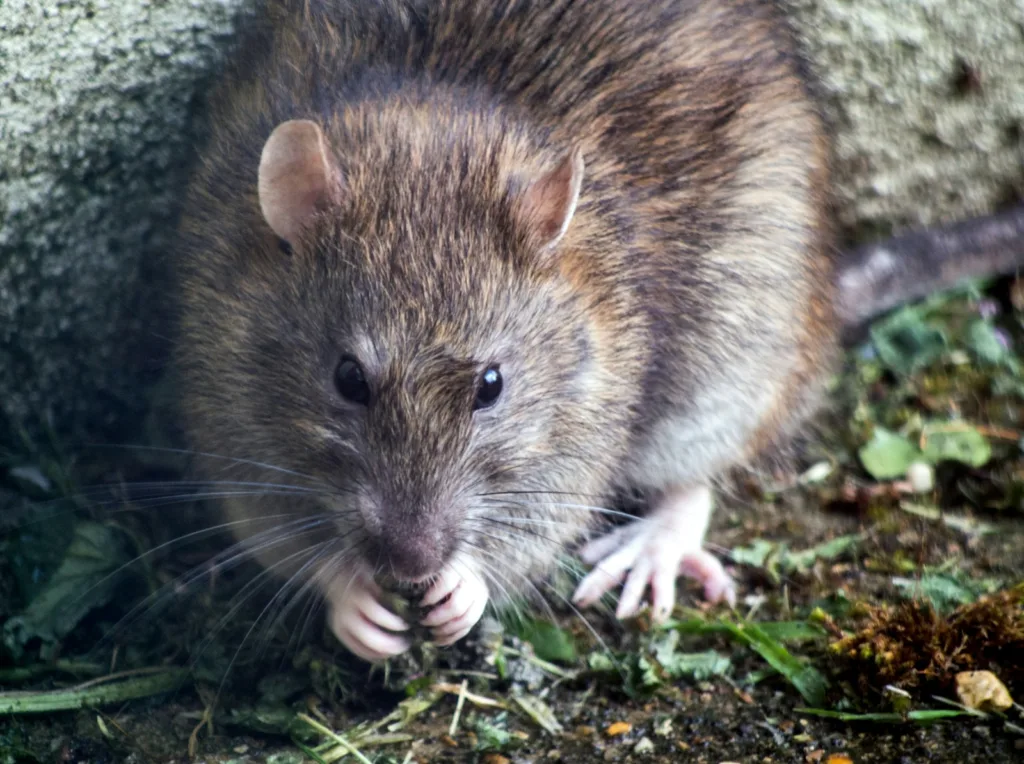
Having rats wreak havoc in your fruit trees can be a daunting experience.
Not only do they cause damage to fruit, but they can also spread disease and leave behind droppings that are unhygienic.
If you’re looking for ways to keep rats out of your fruit trees, this article has you covered. In it, we’ll discuss various tips and tricks on how to protect your trees from these pesky pests. We’ll also cover the importance of being proactive in preventing rat infestations before they occur.
By following these steps, you can rest assured that your fruit trees will remain safe from rats and other rodents. So let’s get started!
Identifying a rat infestation in a fruit tree can be done by looking for signs of gnawing or chewing on the trunk, branches, or leaves. Additionally, rat droppings or nests may be found near the base of the tree. Finally, evidence of rat activity such as tracks, rub marks, and pathways through grass and debris can indicate the presence of rats.
Common Signs of Rat Damage to Fruit Trees
Rats can cause extensive damage to fruit trees, as they are adept climbers and can easily jump from nearby structures or trees onto the branches of your fruit tree. Signs of rat damage include chewed bark, damaged or missing leaves and stems, and broken or missing fruit. Rats will often feed on the fruits themselves, leaving behind damaged or partially eaten fruits. They may also gnaw on the twigs, branches and trunks of the tree, leaving visible tooth marks in the bark. In addition to these signs of rat damage, you may also notice rat droppings around the base of the tree or on branches near where they are feeding. Rat droppings are dark brown in color and oval shaped, usually measuring around one-eighth inch in length.
Rats can be especially destructive when they seek shelter in fruit trees during inclement weather. In addition to damaging the tree itself, rats may also build nests in hollowed out cavities of the trunk or limbs. This nesting can create additional risks for your tree, such as disease spread by fleas living inside these nests. If you notice any signs of rat activity around your fruit tree it is important to take action immediately in order to prevent further damage and potential infestation.
Keeping Rats Away from Fruit Trees
Fruit trees are an important part of many gardens, providing delicious and nutritious snacks for humans and animals alike. Unfortunately, rats can be a major problem for fruit tree growers. Rats are attracted to the sweet scent of ripe fruit and can quickly devour entire harvests if left unchecked. Fortunately, there are a few simple steps you can take to keep rats away from your fruit trees.
One of the best ways to discourage rats is to make sure your garden is kept clean and free of debris. Remove any fallen fruit or nuts, as well as any other food sources that could attract rodents. If possible, try to keep weeds and grasses near the base of your tree trimmed and in check; this will reduce the places where rats can hide during the day.
Another key element in keeping rats away from your fruit trees is to control their access to water sources. Rats rely on water for survival and will often venture into gardens in search of it. Make sure all water sources such as bird baths or pet dishes are regularly emptied, cleaned, and refilled with fresh water. This will help ensure that there is no standing water available for rats to take advantage of.
Finally, there are several types of repellents that can be used to keep rats away from fruit trees. Commercial rat poisons are not recommended, as they can be dangerous to other animals or even children if not handled properly. Instead, natural repellents such as peppermint oil have been found to be effective at deterring rodents without posing any danger to people or pets. There are also ultrasonic devices that emit a high-frequency sound that repels rats without disturbing other animals or humans in the area.
By following these simple steps, you should be able to enjoy a successful harvest from your fruit trees without worrying about pesky rat invasions!
Recommended Products

Pet-Friendly & Family-Safe Formula – Mighty Mint is a top pick for pet parents looking for a natural pest control solution. Safe to use around dogs, cats, and kids when applied as directed—no harsh fumes or dangerous chemicals, just powerful peppermint protection you can trust.

Humane Pest Deterrence:Say goodbye to harmful traps, poisons, and glue boards. Our plant-based repellent creates an intensely fresh minty atmosphere that pests find overpowering and unbearable—driving them away naturally without causing any harm. It’s the kind, responsible choice for effective pest control.

Naturally repel rodents from your yard, garden and garage with Rat Magic by Bonide! Rat Magic uses natural repellents to drive away mice, chipmunks, squirrels, rats and more.
Habits and Behaviors of Rats that Impact Fruit Trees
Rats are one of the most common pests that can be found in fruit trees. They eat the fruits, leaves, and bark off the trees and can cause extensive damage. They also carry a variety of diseases and parasites which can spread to humans and other animals. To protect your fruit trees from rats, it is important to understand their habits and behaviors so you can take the necessary steps to prevent them from damaging your trees.
Rats typically prefer to eat fruits, nuts, seeds, and grains. They will also feed on bark, leaves, twigs, and tender shoots. They are most active at night when they come out to feed on whatever they can find in the tree’s canopy. During the day they will often retreat into dens or other hiding places such as hollow logs or tree cavities.
Rats are social creatures and will live in colonies that can range from just a few individuals up to hundreds of individuals. These colonies will generally have a hierarchy with one dominant rat that controls access to food resources within the colony. This dominance hierarchy helps ensure that all members of the colony have access to food resources.
Rats are also very territorial and will defend their territory from other rodents or predators by marking it with urine or feces or by leaving trails or scrapes on the ground around their den sites. Rats are also known for their ability to climb trees which makes them especially adept at gaining access to fruit trees where they can feast on ripe fruits or young shoots.
To protect your fruit trees from rats it is important to remove any potential hiding spots such as hollow logs or tree cavities where rats may nest during the day time hours when they are not actively searching for food sources in your tree’s canopy. It is also important to keep your yard free of debris such as wood piles which could provide additional harborage for rats looking for shelter during the day time hours when they are not actively searching for food sources in your tree’s canopy. Additionally, using repellents such as predator urine around your fruit trees may help deter rats from entering your yard in search of food sources as well as trapping any rats that do manage to enter your yard before they have a chance to do significant damage to your fruit trees.
Deterrents for Keeping Rats Away from Fruit Trees
Rats are a common problem for homeowners with fruit trees. They can cause serious damage to the trees by eating the fruit, as well as damaging roots and stems. To prevent rats from getting close to your fruit trees, there are several deterrents you can use.
One of the best ways to keep rats away is to trim back any overhanging branches and tidy up the area around the tree. This will make it more difficult for them to access and hide in the tree. Additionally, you should remove any piles of leaves or mulch that could be providing shelter for them near the tree.
You should also regularly check your trees for signs of rat activity, such as gnaw marks or droppings. If you notice any of these signs, take steps immediately to address the problem.
Another effective deterrent is to install fencing around your fruit trees. This will make it more difficult for rats to access them and will give you an additional layer of protection against them.
If you have a problem with rats getting into your fruit trees, you may want to consider using natural repellents or traps around your property. There are many options available that are designed specifically for keeping rats away from fruit trees, such as scented oils or electronically operated traps that emit ultrasonic sounds when triggered by a rat’s presence.
Finally, if all else fails, you may need to hire a professional pest control service to help get rid of any existing rat infestations and help protect your fruit trees from future problems.
Recommended Products

【Advanced Ultrasonic Technology】This ultrasonic pest repeller uses multi-frequency ultrasonic waves within a frequency range of 10kHz-65kHz to help create an uncomfortable environment for common indoor pests. As a pest repellent ultrasonic plug in, it supports daily pest control needs for mice, roaches, ants, spiders, mosquitoes, and more. It is a practical choice for customers looking for a mouse repellent, rodent repellent, or ultrasonic rodent repeller for indoor spaces.

How It Works:Our device uses cutting-edge ultrasonic waves to generate an environment that pests find highly unpleasant, gently motivating them to leave your home on their own. With regular use, it gradually reshapes pest habits, helping you enjoy a cleaner, pest-free living space—without any chemicals or harm to animals or people.

Humane Ultrasonic Repellent -- This plug‑in ultrasonic pest repellent emits variable sound waves to disrupt the sensory systems of mice, squirrels, bats, cockroaches, ants, spiders and other insects for repelling effect. It is a clean and humane alternative to traditional mouse traps and sticky traps. No pest killing and no unpleasant dead‑pest odor for worry‑free household use
Natural Ways to Keep Rats Away from Fruit Trees
Fruit trees can be a great addition to any garden, but sometimes they can be subject to pests like rats. Rats can damage fruit trees by eating their fruits or leaves and gnawing on the tree bark. While there are chemical means of controlling rats, there are also natural methods that can be used to keep them away from fruit trees. Here are some natural ways to keep rats away from fruit trees:
1. Plant a Cover Crop: Planting a cover crop such as clover or grass around the base of the tree will help deter rats from entering the area. The cover crop should have an adequate water supply so it will remain healthy and thick enough to form a barrier around the tree.
2. Use Natural Repellents: Natural repellents such as peppermint oil, garlic, or cayenne pepper can be used around the base of the tree to discourage rats from entering the area. The scent of these repellents is unpleasant for rats and will deter them from entering your yard.
3. Use Mulch: Using mulch around the base of your tree can also help keep rats away as it makes it more difficult for them to access your fruit tree. Mulch should be applied in thick layers so that it will not only provide protection against weeds but also act as an effective barrier against rodents.
4. Remove Piles of Debris: Rats like dark, enclosed spaces where they can hide and build nests. Removing piles of debris such as leaves, branches, and other organic material will make it harder for them to find hiding places near your fruit tree.
5. Keep Your Garden Clean: Keeping your garden free of food scraps and garbage is important for preventing rat infestations. Make sure all food waste is disposed of properly in sealed containers so that it does not attract rodents near your fruit tree.
By following these natural methods, you can help protect your fruit trees from rat infestations and enjoy a bountiful harvest!
Recommended Products

CHILD AND PET SAFE RODENT REPELLENT INDOOR: This peppermint oil spray for rodent is made with peppermint oil concentrate and cinnamon to repel mice, mouse and rats; it is safe to use around pets and children because it is non-toxic; this is why Kate Naturals Rodent Repellent Spray is a great indoor pest control spray for your household; if the sprayer is broken, please contact us for a replacement

【Humane Natural Rodent Repellent】Our peppermint oil mouse repellent balls adheres to the principle of humanity. It is designed to keep away rodents like mice without causing harm. It functions by emitting a variety of strong mint scents, which strongly stimulate the nerve centers of rodents, making pests feel extremely uncomfortable and thus forcing them to flee. It is an ideal choice to replace traditional mousetraps, rat traps, moth traps and various pest repellers

Natural peppermint oil formula, safe mouse repellent without chemical hazards: Mouse deterrent interferes with rodent senses through smell, say goodbye to the dangerous residues of traditional chemical agents. 24 individually packaged, suitable for long-term protection in multiple scenes throughout the house.
Eliminating Rats from Fruit Trees
Rats can be a major nuisance in fruit trees. They can damage the fruit, eat the buds, and even spread disease. Fortunately, there are a few steps you can take to help protect your fruit trees from rats.
One of the best ways to discourage rats from entering your fruit trees is by using a physical barrier. A wire mesh fence can be installed around the perimeter of your tree, making it difficult for rats to get in. Make sure the fence is high enough so that rats cannot climb over it.
You can also use rat traps to catch and remove rats from your fruit trees. Use bait such as peanut butter, cheese, or even bacon to attract the rats and place several traps around your tree to increase the chances of catching one. Dispose of any dead rats in an appropriate manner.
Another way to help keep rats away is by making sure that your tree is well-maintained and free of debris. Remove any dead branches or leaves as soon as possible and keep the area around your tree clean and free of food sources that may attract rodents. Trim back branches so they don’t touch other structures or plants that could provide easy access for rodents.
Finally, consider using natural repellents such as peppermint oil or ammonia near your fruit trees. The strong smell may discourage rodents from entering your tree area, but be sure to use these products sparingly and follow all safety instructions carefully when using them around food plants or children’s play areas.
Preventing Rat Damage to Fruit Trees
Rats can cause significant damage to fruit trees, as they may gnaw on the bark of the tree, leaving it vulnerable to disease, pests and even death. To prevent rat damage to fruit trees, there are several steps that can be taken.
The first step is to eliminate potential food sources for rats around the tree. This means keeping the area clean and free of debris, including fallen fruit and nuts. It is also important to ensure that any areas of standing water are drained away from the tree, as this provides a breeding ground for rats.
The second step is to use physical barriers around the tree. This could include installing metal mesh or wire fencing around the trunk, which will make it difficult for rats to access the bark. Additionally, pruning back any branches that are close to the ground will make it more difficult for rats to climb into the tree and access its bark.
Another effective way of preventing rat damage is by using traps or baits in areas where rats are known or suspected to be present. However, it is important not to use poisons as these can also be harmful to other animals and humans if ingested accidentally.
Finally, an additional preventative measure that can be taken is introducing natural predators into the area where fruit trees are present. This could include birds of prey such as owls or hawks which will feed on rodents such as rats and mice. Alternatively, cats can also be an effective deterrent as they will hunt down any rodents in their territory.
Conclusion
Rats can be a huge nuisance to your fruit trees. There are some simple and effective methods to keep them away from your fruit trees such as regular pruning, trapping, and using repellents. It is important to monitor your fruit trees for signs of rodent damage and take preventive measures immediately. You can also take the help of a professional pest control service if the problem persists. By taking these steps, you can successfully prevent rats from damaging your fruit trees.
Fruit trees are an important part of any garden and it’s important to protect them from pests like rats. Taking preventive measures such as regular pruning, trapping, and using repellents can go a long way in keeping your fruit trees safe from rat infestations.
