

Have you ever wondered if you can graft fruit trees in the fall? You’re not alone. Many gardeners face this question as the leaves start to turn and the growing season winds down. While spring is often seen as the ideal time for grafting, fall can also offer unique advantages if you know what you’re doing.
In this article, you’ll discover the ins and outs of grafting fruit trees during the cooler months. You’ll learn about the best techniques, the right timing, and how to ensure your grafts take successfully. Whether you’re looking to expand your orchard or simply try something new, this guide will help you make the most of your fall grafting efforts.
Key Takeaways
- Grafting Timing: Fall grafting can be successfully performed during a tree’s dormancy, ideally between late September and early November, providing unique benefits over spring grafting.
- Techniques to Use: Common grafting methods like whip and tongue, cleft, and bark graft are effective in fall; choosing the right technique is crucial for success.
- Ideal Conditions: Look for temperatures between 50°F to 60°F and maintain consistent moisture to promote successful healing and bonding of grafts.
- Benefits of Fall Grafting: Grafting in fall allows for faster fruit production, access to a wider variety of scions, and enhanced disease resistance through robust rootstocks.
- Challenges to Consider: Monitor for potential temperature fluctuations and pest infestations during fall; addressing these risks is essential for maintaining graft viability.
- Aftercare is Key: Post-grafting care, including wrapping grafts securely and monitoring growth through winter, is vital for ensuring grafts take and thrive in spring.
Grafting Fruit Trees Overview
Grafting fruit trees involves joining two plants to create a single tree that benefits from the strengths of both. This technique allows you to propagate desirable fruit varieties, enhance disease resistance, and achieve better adaptability to local growing conditions.
Benefits of Grafting
- Variety Expansion: Grafting increases your selection of fruit varieties. You can combine multiple types of fruit on one tree, maximizing space and enjoyment.
- Disease Resistance: Grafting onto rootstocks with robust disease resistance can help ensure healthier trees.
- Quicker Fruit Production: Trees grown from grafts typically bear fruit faster than those from seeds, giving you quicker harvests.
Grafting Techniques
Several techniques exist for grafting fruit trees. The most common include:
- Whip and Tongue Graft: Effective for connecting similar-sized stems. This method creates a large surface area for the cambium to join.
- Cleft Graft: Best suited for larger rootstocks. This technique involves splitting the rootstock and inserting the scion.
- Bridge Graft: Used to repair damaged trees by bridging over the injury with grafted scions.
Optimal Timing for Fall Grafting
Fall grafting, while less common than spring, can be successful when done correctly. Aim for a time close to the tree’s dormancy, typically between late September and early November. Look for these signs:
- Leaf Drop: Trees lose their leaves, indicating that they are entering dormancy.
- Temperature: Ideal conditions include mild temperatures that won’t cause stress to the graft.
Practical Tips for Fall Grafting
- Choose Healthy Scions: Select vigorous, disease-free wood from the current year’s growth for the best success.
- Use Clean Tools: Ensure tools are sanitized to prevent transmission of diseases.
- Wrap Grafts Securely: Use grafting tape or wax to seal connections, minimizing moisture loss.
- Monitor Aftercare: Keep an eye on grafts over winter, looking out for signs of growth in spring.
Anticipating Challenges
Despite its advantages, fall grafting may face some challenges. Watch for:
- Temperature Fluctuations: Sudden frosts can damage young grafts. If needed, cover them with burlap or frost blankets.
- Moisture Levels: Ensure that the grafted trees receive consistent moisture without becoming waterlogged.
Grafting in the fall offers unique opportunities for fruit tree cultivation. With the right techniques and timing, you can successfully expand your orchard and enjoy bountiful harvests.
Benefits of Grafting in Fall
Grafting fruit trees in fall offers distinct advantages that can enhance your gardening success. When performed correctly, fall grafting can yield impressive results.
Improved Success Rates
Improved success rates stem from cooler temperatures. Cooler weather promotes graft healing without the stress of summer heat. Dormant trees focus energy on recovery, leading to stronger unions. You can expect a higher survival rate for grafts made in fall compared to those in the active growing season.
Variety Selection
Variety selection benefits significantly from fall grafting. Fall allows access to a wider range of dormant scion options. You can choose from multiple varieties that may not have been available in spring. For instance, you can experiment with heirloom or disease-resistant varieties, broadening your orchard’s diversity. This ensures you maximize your harvest potential by introducing new flavors and characteristics to your fruit trees.
By taking advantage of these benefits, fall grafting not only enhances your gardening experience but also improves your fruit tree yields.
Ideal Conditions for Fall Grafting
Fall grafting can succeed when the right conditions are present. Understanding temperature and moisture levels plays a crucial role in ensuring grafting success.
Recommended Products

【complete grafting kit】 one 7-ounce tin of professional grafting wax, two 3.15-inch stirring rods, and 2 rolls of grafting tape with a total length of 394 feet. The grafting wax is stored in a premium aluminum can, which provides excellent seal performance and long-lasting preservation. This all-in-one grafting set is perfectly suitable for all kinds of horticultural grafting and plant pruning wound sealing work.

★ 1. What you get: Professional convenient grafting tool set including a dual-use grafting pruner tool contain 2 extra replaceable blades, a wrench and a screwdriver, along with 36pcs wide rubber bands, 150 thick rubber bands and 1 grafting tape, packed in a black wallet to meet all your needs
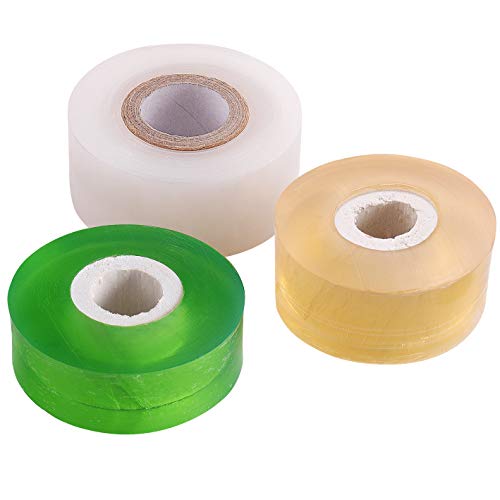
Flexible grafting tape adheres to itself with stretch gently
Temperature Considerations
Temperatures around 50°F to 60°F are ideal for fall grafting. These temperatures maximize graft healing without risking damage to the plants. Avoid days with extreme fluctuations, as rapid temperature changes can stress both the scion and the rootstock. If nighttime temperatures drop significantly, protect your grafts with blankets or cover cloth to retain warmth.
Moisture Levels
Consistent moisture is vital for successful grafting in the fall. Aim to keep the graft site slightly moist but not soggy. If dry conditions prevail, consider misting the area or using mulch to retain soil moisture. Too much moisture can lead to rot, while too little can cause the graft to dry out. Monitor the soil regularly and adjust your watering schedule based on weather conditions. A healthy balance prevents stress and promotes healing at the graft union.
Techniques for Fall Grafting
Fall grafting successfully requires specific techniques. Here’s how to ensure your grafting endeavors yield fruitful results.
Common Methods
- Whip and Tongue Graft: This method uses angular cuts on both the scion and rootstock. It increases the surface area for cambial contact. Align the cuts tightly and secure them, ensuring utmost precision.
- Cleft Graft: This technique works well for larger rootstocks. Create a cleft in the rootstock and insert a pointed scion. Use tape or grafting wax to seal it effectively.
- Bark Graft: Suitable for trees where bark is easy to lift. Make a vertical cut through the bark and insert a scion beneath. Wrap it tightly to encourage successful bonding.
- Bridge Graft: Employed to repair damaged branches, this method connects healthy scions across the damaged area. Insert scions on both sides of the injury, securing them with grafting tape.
- Grafting Knife: A sharp, specialized knife allows for clean cuts. Ensure it’s well-maintained to avoid any crushing at the graft site.
- Pruning Shears: Use these to trim scions and remove any unwanted growth from the rootstock. They ensure healthy and suitable materials.
- Grafting Tape: This elastic tape holds the graft securely in place. It also allows some moisture exchange while preventing excess water from entering.
- Grafting Wax: Apply this on exposed areas after grafting. It helps prevent desiccation and protects against pathogens.
- Blunt Forceps: Use these for holding and positioning the scion without damaging it. They provide a steady grip when working with delicate materials.
- Soil Moisture Meter: Monitor moisture levels at the graft site. This tool ensures the graft remains adequately hydrated during healing.
By mastering these techniques and utilizing the right tools, you can improve your chances of successful fall grafting.
Challenges of Fall Grafting
Fall grafting comes with its own set of challenges that can impact your success rate. Understanding these challenges ensures better preparation and higher chances of a fruitful outcome.
Recommended Products
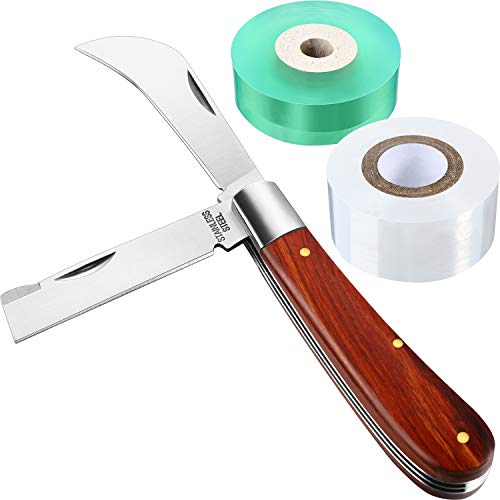
Package includes: you will get 1 double blades garden grafting knife and 2 rolls of grafting tapes in 2 sizes, ideal set for grafting budding, cutting, digging, sprouting, plants, weeding, cutting, sawing, etc.

PROFESSIONAL GARDENING GRAFTING TOOLS: Including 2 in 1 grafting pruning tools, 3 replaceable blades, a grafting knife, a screwdriver, a wrench, 2 grafting films, 160 rubber bands, 40 wide rubber bands, and 50 colorful tag cards

TREE GRAFTING TOOL - Efficiently prepare scion shoots and understock for grafting with our handy garden tool. This standard manual grafting tool can be used to cut stock up to 1/2” in diameter and comes with an excellent illustrated instruction manual.
Dormancy Factors
Dormancy plays a crucial role in fall grafting. Trees enter dormancy as temperatures drop. You must time your grafts just right; grafting too early, before dormancy fully sets in, may lead to issues. If temperatures fluctuate significantly, plants can become stressed, affecting the graft’s viability. Aim for a period where daytime temperatures are consistently between 50°F and 60°F, as this supports optimal healing. Monitor your trees closely during this period to ensure they are in a suitable state for grafting.
Pests and Diseases
Pests and diseases pose additional risks during fall grafting. As trees prepare for winter, they can become more vulnerable to infestations. Aphids, scale insects, and other pests might target weakened trees. Check your trees meticulously for signs of pest activity before grafting. If you notice any issues, consider using organic pesticides or insecticidal soaps. Additionally, ensure the tools used for grafting, such as knives and pruning shears, are clean and sterilized to prevent the spread of diseases. This will protect both your grafts and the parent trees.
Conclusion
Grafting fruit trees in the fall can be an exciting opportunity for you to enhance your garden. With the right techniques and timing you can take advantage of the cooler temperatures to promote successful graft healing.
Remember to choose healthy scions and keep an eye on moisture levels to ensure your grafts thrive. While challenges may arise it’s all part of the learning process. Embrace the chance to experiment with new varieties and boost your orchard’s diversity.
So grab your tools and get ready to enjoy the rewarding experience of fall grafting. Happy gardening!
Frequently Asked Questions
Can you graft fruit trees in the fall?
Yes, you can graft fruit trees in the fall. While spring is often recommended for grafting, fall offers unique advantages, such as cooler temperatures that promote better healing and a wider selection of dormant scion varieties.
What are the benefits of fall grafting?
Fall grafting allows for quicker fruit production and enhanced disease resistance. The cooler temperatures encourage better graft healing and improve success rates, making it an ideal time to experiment with different varieties.
What is the best time to graft in the fall?
The optimal time for fall grafting is typically between late September and early November, just as the tree enters full dormancy. Timing is crucial to ensure effective grafting and successful healing.
What techniques can I use for grafting?
Common grafting techniques include whip and tongue graft, cleft graft, bark graft, and bridge graft. Each method is suited for different scenarios, so it’s essential to choose the right one based on your specific grafting needs.
How can I ensure successful grafts?
To ensure successful grafts, choose healthy scions, use clean and sterilized tools, and monitor aftercare. Maintaining consistent moisture at the graft site and protecting against pests are also crucial for promoting healing.
What challenges might I face with fall grafting?
Challenges include temperature fluctuations, moisture levels, and the risk of pests and diseases. To mitigate these issues, careful monitoring of weather conditions and timely pest management are essential for promoting successful grafting.
How can I control moisture during fall grafting?
Keep the graft site slightly moist but not soggy. Regularly monitor soil moisture and adjust watering based on weather conditions to prevent stress at the graft union, which helps in promoting healing.
