

Cherry trees can thrive in San Francisco, CA, but specific conditions must be met. Understanding the local fog and soil characteristics is essential for successful growth.
Cherry Tree Growth Factors in San Francisco
San Francisco’s climate is characterized by cool, foggy summers and mild, wet winters. Cherry trees prefer full sun and well-drained soil, making the city’s unique weather patterns a potential challenge. The coastal fog can inhibit sunlight, which is crucial for the trees’ growth and fruit production. Selecting the right cherry tree variety and understanding local soil conditions can significantly enhance your chances of success.
Recommended Products
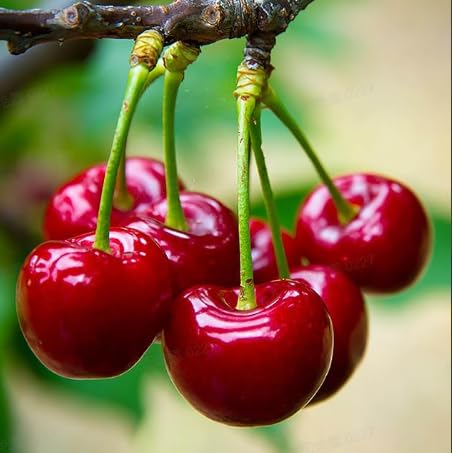
Basic Seed Attributes & Planting Scenarios: 20 Pcs Cherry Tree Seeds, non-GMO heirloom variety, with sweet and tender juicy fruits, suitable for home garden cultivation, and can be planted both indoors and outdoors.

Fragrant Flowers: Trees bloom with sweet-smelling flowers in late spring and early summer, providing a valuable source of nectar for pollinators like bees and holding significant ecological value

Choose the Right Cherry Tree Variety
Selecting the appropriate cherry tree variety is crucial for successful growth in San Francisco’s unique climate. With its cool, foggy conditions and diverse soil types, certain cherry trees will thrive better than others. Understanding these nuances will help ensure a vibrant and fruitful cherry blossom experience in your garden.
Selecting a suitable cherry tree variety is crucial for thriving in San Francisco’s climate. Some varieties are more tolerant of cooler temperatures and fog than others.
Bing Cherry: Popular for its sweet fruit but requires full sun.
Lapins Cherry: Self-pollinating and more adaptable to varying conditions.
Stella Cherry: Known for its hardiness and ability to thrive in cooler climates.
Each variety has unique characteristics that may influence your decision. Assess your garden’s specific conditions before planting.
Assess San Francisco Soil for Cherry Trees
Understanding the soil composition in San Francisco is crucial for successfully growing cherry trees. The unique blend of clay, sand, and organic matter in the region can significantly impact tree health and fruit production. By assessing these soil characteristics, you can make informed decisions to create an optimal environment for your cherry trees.
Soil quality plays a vital role in the health of cherry trees. San Francisco’s soil can vary significantly, affecting drainage and nutrient availability.
Soil Type: Cherry trees thrive in sandy loam or well-drained soils. Heavy clay can retain too much moisture, leading to root rot.
pH Levels: Ideal soil pH for cherry trees ranges from 6.0 to 7.0. Testing your soil can help determine if amendments are necessary.
Nutrient Content: Conduct a soil test to assess nutrient levels. Cherry trees benefit from balanced fertilizers that promote healthy growth.
Watering Techniques for San Francisco Cherry Trees
Watering cherry trees in San Francisco requires careful consideration of the local climate and soil conditions. With the city’s unique fog patterns and varying soil types, understanding the right techniques can significantly impact tree health and fruit production. This section explores effective watering strategies tailored for cherry trees thriving in San Francisco’s environment.
Watering is critical for cherry tree health, especially in San Francisco’s variable climate. Proper watering practices can prevent stress and promote robust growth.
Frequency: Water young trees deeply once a week during dry spells. Mature trees may require less frequent watering.
Drainage: Ensure proper drainage to avoid waterlogged roots. Raised beds can improve drainage in heavy soils.
Mulching: Apply organic mulch around the base to retain moisture and regulate soil temperature.
Mitigating Fog and Wind Effects on Cherry Trees
San Francisco’s unique climate, characterized by fog and strong winds, poses challenges for cherry tree cultivation. Understanding how to mitigate these environmental factors is essential for successful growth. This section explores effective strategies to protect cherry trees from the adverse effects of fog and wind, ensuring they thrive in this coastal city.
Fog can be a double-edged sword for cherry trees. While it provides moisture, it can also limit sunlight exposure and increase the risk of fungal diseases.
Windbreaks: Planting windbreaks can protect cherry trees from strong coastal winds that may damage branches and fruit.
Fungal Diseases: Monitor for signs of diseases like powdery mildew, which can thrive in humid conditions. Use fungicides as needed.
Pruning: Regular pruning improves air circulation and sunlight penetration, reducing disease risk.
Cherry Tree Growth Conditions in San Francisco
Understanding the growth conditions for cherry trees in San Francisco is essential for successful cultivation. The city’s unique climate, characterized by cool fog and diverse soil types, presents both challenges and opportunities for gardeners. This section explores the specific environmental factors that influence cherry tree health and productivity in the Bay Area.
| Factor | Ideal Condition | Importance |
|---|---|---|
| Sunlight | Full sun | Essential for fruit production |
| Soil Type | Sandy loam | Ensures proper drainage |
| pH Level | 6.0 to 7.0 | Promotes nutrient absorption |
| Watering | Deep, weekly | Prevents stress and root rot |
San Francisco Cherry Tree Care Resources
San Francisco’s unique climate and soil conditions present both challenges and opportunities for cherry tree cultivation. Understanding the specific care requirements and resources available can help gardeners successfully grow these beautiful trees in the city. This section provides valuable insights and practical tips for nurturing cherry trees in San Francisco’s distinctive environment.
Utilizing local resources can enhance your cherry tree growing experience. Local gardening clubs and extension services offer valuable information tailored to San Francisco’s unique conditions.
Gardening Clubs: Join local clubs for tips and shared experiences from fellow gardeners.
Workshops: Attend workshops focused on fruit tree care to gain hands-on knowledge.
Extension Services: Consult with local agricultural extension services for soil testing and pest management advice.
Understanding the specific needs of cherry trees in San Francisco is essential for successful cultivation. By choosing the right variety, managing soil and watering practices, and utilizing local resources, you can create a thriving environment for your cherry trees.
